
Trump-Netanyahu Talks Amid Iran War: UK & Europe Impact
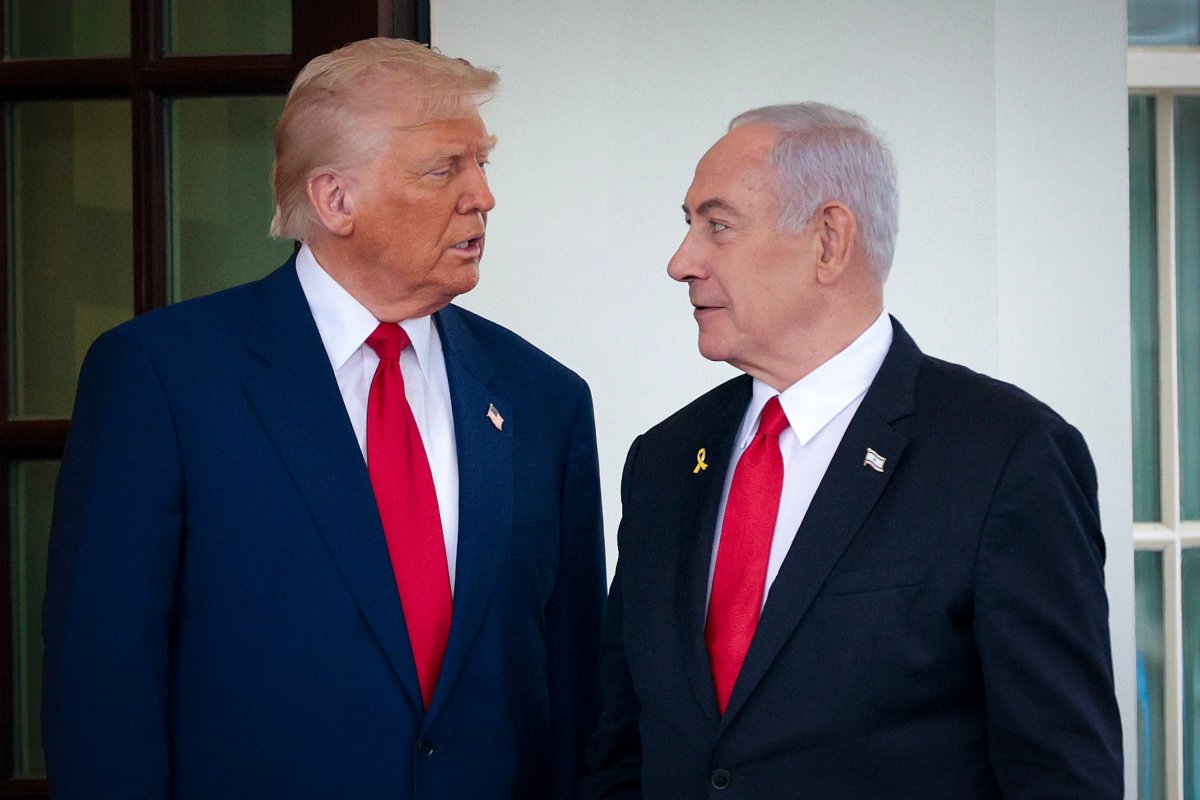
A diplomatic gamble at the White House The meeting between President Trump and Prime Minister Netanyahu at the White House has been characterised as positive and productive. This marks the first such visit since the United States and Israel launched their joint war against Iran. Netanyahu described the exchange as a conversation marked by full partnership, mutual support and a shared understanding of the common goal of ensuring that Iran does not have nuclear weapons.
A diplomatic gamble at the White House
The meeting between President Trump and Prime Minister Netanyahu at the White House has been characterised as positive and productive. This marks the first such visit since the United States and Israel launched their joint war against Iran. Netanyahu described the exchange as a conversation marked by full partnership, mutual support and a shared understanding of the common goal of ensuring that Iran does not have nuclear weapons.
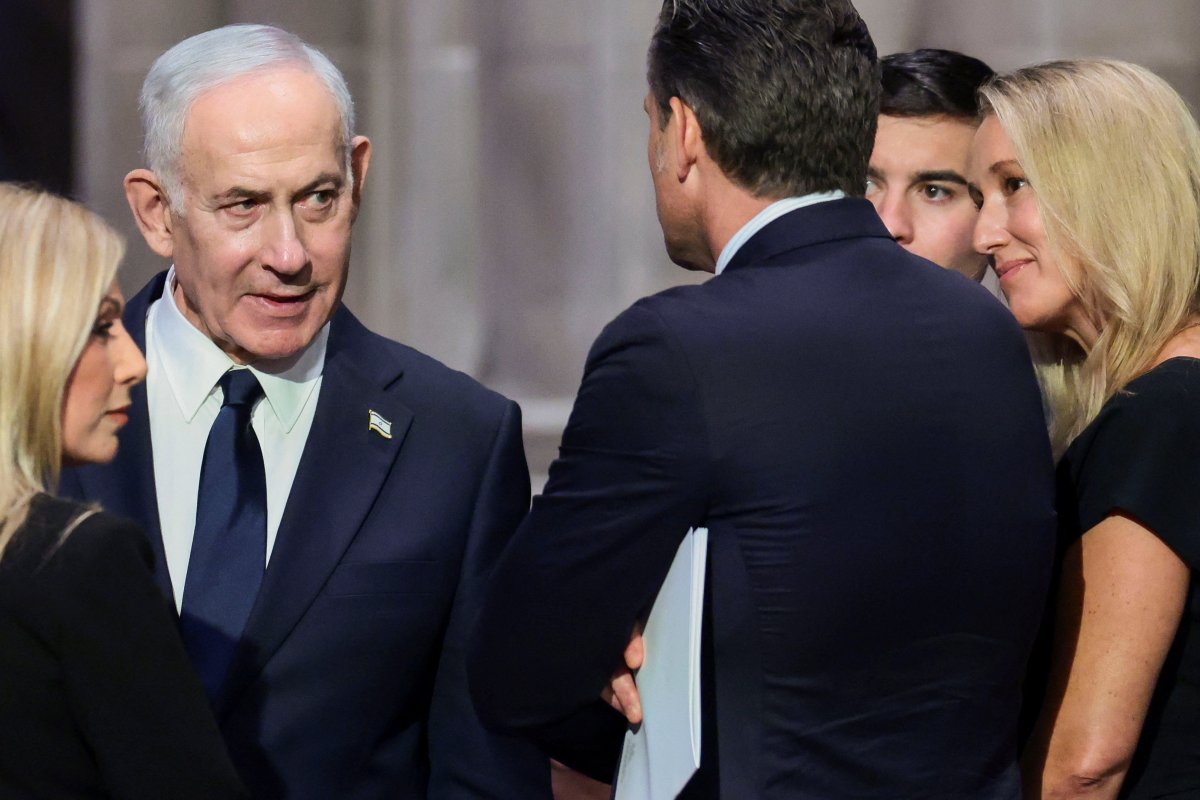 Geopolitically, the White House meeting carries weight beyond bilateral optics. It signals an attempt to synchronise positions at a time when European allies are urging restraint and Arab states watch for signs of prolonged instability. The presence of Netanyahu, fresh from coordinating with US Central Command, underscores how the conflict has accelerated diplomatic timelines that normally unfold over months rather than days.
Officials present noted that the tone reflected a deliberate effort to align positions ahead of further decisions on the conflict. The encounter comes at a moment when both leaders face pressure to demonstrate progress on containing Iranian nuclear ambitions while managing the immediate costs of military engagement.
A shifting stance on military action
President Trump is expected to make a final decision on a ceasefire after the conclusion of these talks. He has stepped back from earlier threats to decimate Iran and instead stated that the United States now occupies a great position in negotiations. This adjustment in rhetoric suggests a preference for diplomatic leverage over immediate escalation.
Observers in Washington interpret the change as recognition that sustained military pressure carries significant risks for American forces and regional stability. The emphasis on negotiation does not remove the possibility of renewed strikes, yet it signals that any ceasefire would require verifiable commitments from Tehran on its nuclear programme.
The wider conflict: Caspian Sea and Strait of Hormuz
Iranian Foreign Minister Araghchi stated that Iran does not seek escalation yet demands restitution following Ukrainian ship attacks in the Caspian Sea. Ukraine conducted long-range strikes on vessels it alleges were transporting military cargo from Iran. Tehran has accused Kyiv of targeting a commercial ship and killing a sailor, framing the incident as an unjustified violation of maritime norms.
Ukraine’s long-range strikes on vessels in the Caspian Sea have introduced a new maritime dimension to the conflict. Tehran maintains that one targeted ship was purely commercial and that the death of a sailor constitutes an unjustified attack on civilian infrastructure. Ukrainian sources, however, insist the vessels were carrying components for Iranian drone production destined for Russia, framing the operation as legitimate interdiction of military supply lines. The US “steel wall” blockade has already forced the rerouting of eighteen vessels, according to Central Command figures, while Oman’s proposal for voluntary transit fees through the Strait of Hormuz draws on the precedent of the Malacca Strait regime. The Gulf Cooperation Council’s emergency video call highlighted the economic stakes, with member states warning that prolonged disruption would affect European refining margins and household energy costs within weeks.US Central Command reported that its steel wall blockade has redirected eighteen ships. In parallel, Oman has advanced a proposal for voluntary fees on Strait of Hormuz passage modelled on arrangements in the Malacca Strait. The Gulf Cooperation Council convened via video call to address the freedom and safety of vessels through the waterway, underscoring the economic stakes for energy markets that directly affect European supply chains.
International mediation and diplomatic efforts
President Trump is expected to raise with President Putin claims that Russia has shared satellite images with Iran. Such discussions could influence the broader alignment of external powers and the flow of intelligence that shapes battlefield decisions. Meanwhile, President Zelensky held talks with President Trump on Patriot missile defence production, seeking to bolster Ukrainian air defences amid ongoing hostilities.
Oman’s initiative for a fee-based transit system has gained traction among several Gulf states seeking to avoid outright confrontation while asserting greater control over the waterway. Parallel mediation efforts involving Pakistan, Egypt and Qatar aim to establish de-escalation mechanisms that could allow limited Iranian oil exports in exchange for verifiable restrictions on nuclear activity. These talks remain at an early stage but reflect a regional preference for pragmatic arrangements over indefinite blockade. The Gulf Cooperation Council meeting also addressed coordination with European naval assets already present in the area. Such diplomacy intersects with wider efforts to manage the flow of intelligence, including reports that President Trump intends to question President Putin directly over claims of Russian satellite imagery being shared with Iranian forces.Zelensky and the Ukrainian foreign minister also attended the funeral of Senator Lindsey Graham, an event that provided an additional opportunity for bilateral exchanges. These parallel diplomatic threads illustrate how the Iran conflict intersects with the war in Ukraine and the calculations of multiple capitals.
What this means for the UK and Europe
British officials will monitor the outcome of the Trump-Netanyahu discussions for any signals on energy security and maritime access. Disruptions in the Strait of Hormuz would raise fuel costs and strain household budgets already pressured by inflation. The redirection of shipping and the Omani fee proposal could alter trade routes that British ports and logistics firms rely upon.
British officials are acutely aware that any closure or restriction of the Strait of Hormuz would immediately affect LNG imports and refining schedules, compounding existing cost-of-living pressures. The UK maintains a permanent naval presence in the Gulf through its contribution to international maritime security operations, yet deeper involvement would require parliamentary scrutiny and could strain NATO cohesion if European partners diverge on rules of engagement. Whitehall is also monitoring the diplomatic fallout. A prolonged conflict risks drawing in additional actors and complicating Britain’s post-Brexit trade strategy with Gulf states. European governments share London’s interest in containing escalation, but differing threat perceptions between northern and southern member states may hinder a unified response.European governments share an interest in preventing further escalation that might draw in additional actors or prolong the conflict. The emphasis on negotiation rather than outright destruction offers a narrow window for coordinated diplomacy, yet the demand for restitution from Iran and the Ukrainian strikes in the Caspian Sea add layers of complexity that London and Brussels cannot ignore.
The road ahead
The coming days will test whether the positive tone of the White House meeting translates into concrete steps toward a ceasefire. President Trump’s final decision remains pending, and any agreement will need to address both nuclear concerns and the maritime incidents that have widened the theatre of confrontation.
President Trump’s expected conversation with President Putin on satellite imagery sharing will test whether external powers can be persuaded to limit their involvement. The timeline for a ceasefire decision remains tight, with officials indicating that any agreement must be reached within days rather than weeks if current momentum is to be preserved. Verification mechanisms for Iranian nuclear facilities will form the core of any deal. Regional proposals from Oman and the Gulf Cooperation Council offer potential off-ramps, yet the interlocking disputes involving Ukraine’s Caspian operations and Iranian demands for restitution add layers of conditionality. British and European capitals will watch for concrete outcomes rather than declarations, recognising that stability in these waterways directly shapes domestic economic conditions.Regional actors, including Oman and the Gulf Cooperation Council, continue to advance practical measures for safe passage. The involvement of Russia and Ukraine in separate but connected disputes means that progress on one front may hinge on developments in another. British and European policymakers will track these developments closely, aware that stability in the Gulf and the Caspian directly influences economic conditions at home.
By Erica Thornton, Staff WriterThis article was produced with AI-assisted research and editorial support. Reporting is based on sources cited in the article.
What's Your Reaction?
 Like
0
Like
0
 Dislike
0
Dislike
0
 Love
0
Love
0
 Funny
0
Funny
0
 Wow
0
Wow
0
 Sad
0
Sad
0
 Angry
0
Angry
0

US Politics and Policy Correspondent at Global1.News. Based in Washington DC, covering American politics, policy, elections, and the courts. Knows how the system works and tells you what it actually means.














Comments (0)