
The Dominion-Fox News Defamation Battle: A 2023 Settlement That Reshaped Media Accountability
The Dominion-Fox News Defamation Battle: A 2023 Settlement That Reshaped Media Accountability The Origins of Dominion's Legal Challenge Dominion Voting Systems filed its defamation lawsuit against Fox News in early 2021, seeking $1.6 billion in damages over broadcasts that questioned the company's role in the 2020 presidential election. The suit centered on claims aired after N
The Origins of Dominion's Legal Challenge
Dominion Voting Systems filed its defamation lawsuit against Fox News in early 2021, seeking $1.6 billion in damages over broadcasts that questioned the company's role in the 2020 presidential election. The suit centered on claims aired after November 2020 that Dominion's machines had flipped votes in favor of Joe Biden. Those assertions originated from figures aligned with Donald Trump and were amplified across Fox programming without sufficient verification at the time.
The case moved forward through extensive pre-trial discovery that uncovered internal communications among Fox executives and hosts. These documents showed discussions about the accuracy of election-related claims even as they continued to air. Dominion argued that Fox prioritized audience retention over factual reporting in the weeks following the election.
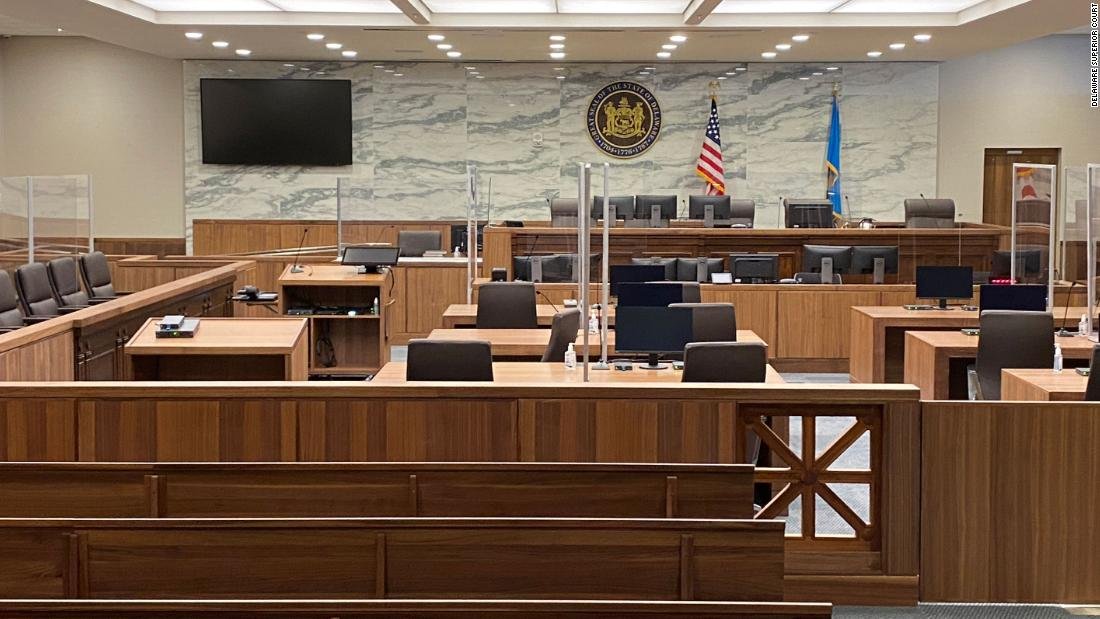
By the time the matter reached Delaware Superior Court, the stakes had grown beyond a standard media dispute. The lawsuit highlighted how private text messages and emails could surface during litigation and force public examination of editorial decisions at one of the largest cable news networks.
Internal Communications Revealed During Discovery
Pre-trial proceedings brought forward messages involving Rupert Murdoch, Fox CEO Suzanne Scott, Tucker Carlson, and Sean Hannity. These exchanges indicated that several on-air personalities privately expressed doubts about the election fraud narratives they discussed publicly. The revelations emerged through standard discovery processes rather than any trial presentation.
The documents demonstrated a gap between what Fox personnel said internally and what reached viewers. Dominion used these materials to argue that the network knowingly promoted false statements about its voting technology. Court filings later confirmed the authenticity of many of these communications.
Such disclosures illustrated the power of civil discovery to surface evidence that might otherwise remain private. The process did not require a verdict to expose operational details at Fox News.
Key Individuals Named in the Proceedings
Rupert Murdoch appeared in multiple emails and messages referenced in the case. His involvement drew attention because of his oversight role at Fox Corporation. Suzanne Scott, as CEO, was also cited in discussions about programming choices after the election.
Tucker Carlson and Sean Hannity featured prominently in the record because of their on-air commentary. Their private texts showed varying levels of skepticism toward the fraud claims they addressed on air. These details became part of the public record through court submissions before any settlement.
The inclusion of these names underscored how individual accountability can intersect with corporate liability in defamation actions. Dominion's filings tied specific statements to particular hosts and executives.
Jury Selection and the Approach of Trial
Jury selection occurred in Wilmington, Delaware, with approximately 300 potential jurors called for the process. This step signaled that the case was advancing toward opening arguments. The selection happened in the days immediately preceding the April 2023 resolution.
At that stage, the court had prepared for a full trial that would have examined the internal communications in open proceedings. The presence of a large jury pool reflected the case's complexity and public interest. No opening statements were delivered because the parties reached an agreement first.
The timing showed how close the matter came to a public airing of evidence. Settlement talks intensified once jury selection concluded, avoiding the need for further courtroom proceedings.
The April 2023 Settlement Terms
Fox News agreed to pay Dominion Voting Systems $787.5 million in April 2023 to resolve the lawsuit. The payment stands as one of the largest defamation settlements in U.S. media history. The agreement ended the case without a trial or jury verdict.
The settlement included no admission of liability from Fox. Dominion accepted the payment as full resolution of its claims. Court records now reflect the outcome as a concluded matter rather than an ongoing dispute.
This resolution occurred after months of discovery but before any witness testimony at trial. The financial terms alone marked a significant outcome for both parties involved.
Media Accountability in Defamation Law
The Dominion case demonstrated how pre-trial discovery can compel transparency even when a trial never occurs. Internal documents that might have stayed confidential became part of the public record through litigation filings. This process revealed operational tensions at Fox News without requiring a final judgment.
Defamation law allows plaintiffs to seek damages when false statements cause harm. The $1.6 billion initial demand and the eventual $787.5 million payment illustrated the financial exposure media companies can face. The outcome reinforced that settlements can carry substantial consequences.
Observers noted that the case set a precedent for how election-related claims might be litigated in the future. The absence of a trial did not erase the impact of the evidence already disclosed.
Broader Implications for News Organizations
The settlement prompted discussions across the media industry about editorial standards and internal vetting processes. Networks now face heightened awareness that private communications can surface in litigation. The Dominion matter served as a concrete example of those risks.
Fox continued its programming without interruption after the payment. The company treated the resolution as a business decision rather than an editorial concession. Dominion, meanwhile, used the outcome to affirm its position that the fraud claims lacked factual basis.
The episode underscored the difference between what almost reached a jury and what ultimately resolved through negotiation. Historical analysis of the case focuses on the discovery phase as the element that drove the result.
Retrospective Assessment of the Outcome
Looking back, the Dominion-Fox News matter stands as a clear instance of litigation shaping public understanding without a verdict. The $787.5 million payment and the release of internal messages provided accountability through financial and documentary means. Jury selection with 300 potential jurors marked the final procedural step before resolution.
The case remains a reference point for how defamation claims involving major media outlets can unfold. Named participants including Rupert Murdoch, Suzanne Scott, Tucker Carlson, and Sean Hannity saw their communications examined in court records. Dominion's core allegation about false 2020 election coverage received partial validation through the settlement itself.
Future coverage of similar disputes will likely reference this timeline and its emphasis on pre-trial transparency over courtroom drama.
By Jessica Ali, Staff WriterThis article was produced with AI-assisted research and editorial support. Reporting is based on sources cited in the article.
What's Your Reaction?
 Like
0
Like
0
 Dislike
0
Dislike
0
 Love
0
Love
0
 Funny
0
Funny
0
 Wow
0
Wow
0
 Sad
0
Sad
0
 Angry
0
Angry
0

Editor-in-Chief at Global1.News. Atlanta-based journalist who cuts through the BS and tells it like it is. Lead anchor, host, and the voice you hear when the spin stops and the truth starts.















Comments (0)