
U.S. Declines CUSMA Extension: What It Means for Canada
A recent CBC News report, featuring an embedded video at the top of the broadcast, outlines how U.S. Trade Representative Jamieson Greer announced on Wednesday that the Trump administration will not extend the Canada-United States-Mexico Agreement beyond 2036 after a virtual meeting involving Canadian Trade Minister Dominic LeBlanc and Mexico's Marcelo Ebrard, with the decision
A recent CBC News report, featuring an embedded video at the top of the broadcast, outlines how U.S. Trade Representative Jamieson Greer announced on Wednesday that the Trump administration will not extend the Canada-United States-Mexico Agreement beyond 2036 after a virtual meeting involving Canadian Trade Minister Dominic LeBlanc and Mexico's Marcelo Ebrard, with the decision directly tied to ongoing U.S. concerns over trade deficits and agreement shortcomings.
U.S. Declines CUSMA Extension, Leaving Agreement Intact Until 2036
Ottawa - On Wednesday — U.S. Trade Representative Jamieson Greer announced that the Trump administration would not extend CUSMA beyond 2036 following the virtual meeting with Dominic LeBlanc and Marcelo Ebrard, as Wednesday marked the deadline for declaring an extension to 2042 or initiating renegotiations, though the agreement itself remains fully in force until 2036 without any immediate termination.
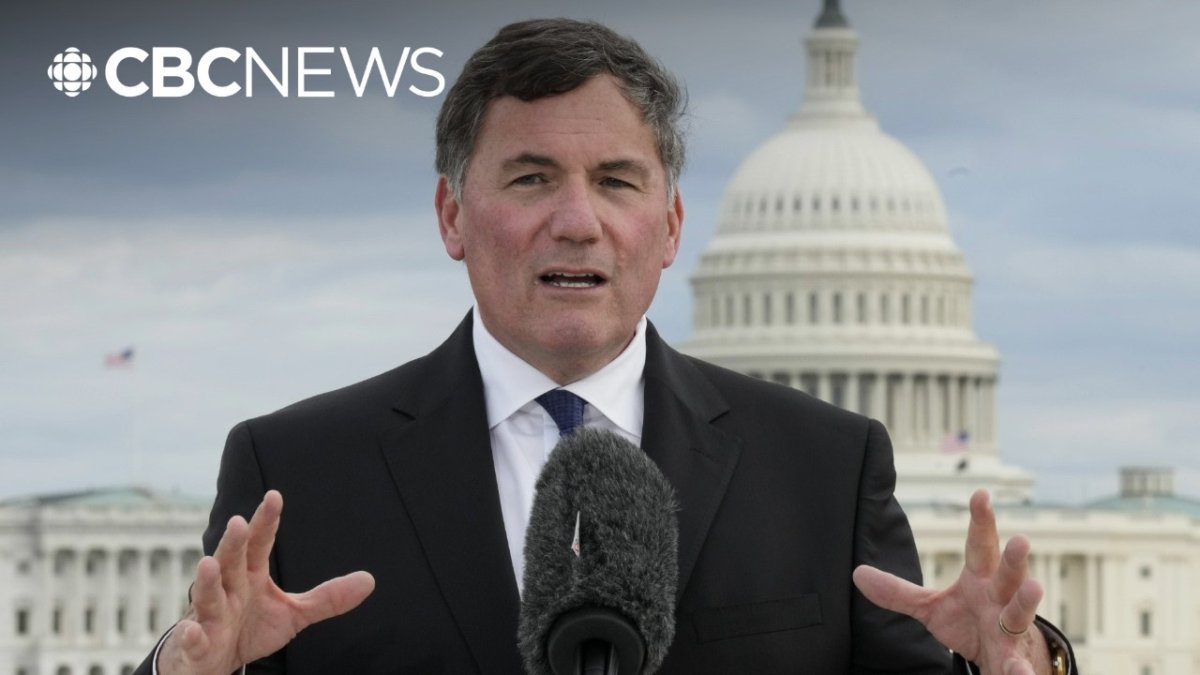
The U.S. Decision on CUSMA
The announcement by Jamieson Greer came directly after the virtual trilateral meeting where Canada and Mexico had both expressed willingness to extend CUSMA and discuss amendments, yet the United States declined to agree to renewal at this stage, citing the need to address the agreement's shortcomings and persistent U.S. goods trade deficits that have grown since the pact took effect.
Greer stated explicitly that the United States did not agree to renew the agreement at this time but will continue to engage with partners to address shortcomings and trade deficits, while a senior Trump official emphasized that President Trump reserves the right to withdraw from CUSMA with six months' notice if negotiations fail to produce desired outcomes for American interests.
Prime Minister Mark Carney had indicated beforehand that he was not expecting any drama at the review meeting, reflecting Ottawa's federal approach to maintaining stable relations amid the economic pressures that affect provinces such as Ontario's manufacturing base and Alberta's energy exports under the existing framework.
Canada's Trade Stakes
Since CUSMA took effect, bilateral and trilateral trade has grown by 37 percent, exceeding 1.9 trillion U.S. dollars annually, underscoring the agreement's central role in supporting Canadian federal economic policy and provincial economies from British Columbia's resource sectors to Quebec's industrial centres.
The U.S. goods trade deficit stands as the primary reason cited by American officials for refusing the extension, even as CUSMA continues to exempt nearly 90 percent of Canadian exports from broader Trump-era tariffs, providing critical protection for sectors integral to Canada's overall trade balance and federal budget planning.
Canada's trade stakes involve protecting this growth trajectory through federal diplomacy led by Dominic LeBlanc, with direct implications for provincial connections such as Manitoba's agricultural shipments and Atlantic Canada's seafood industries that rely on predictable access to U.S. markets under the current terms until at least 2036.
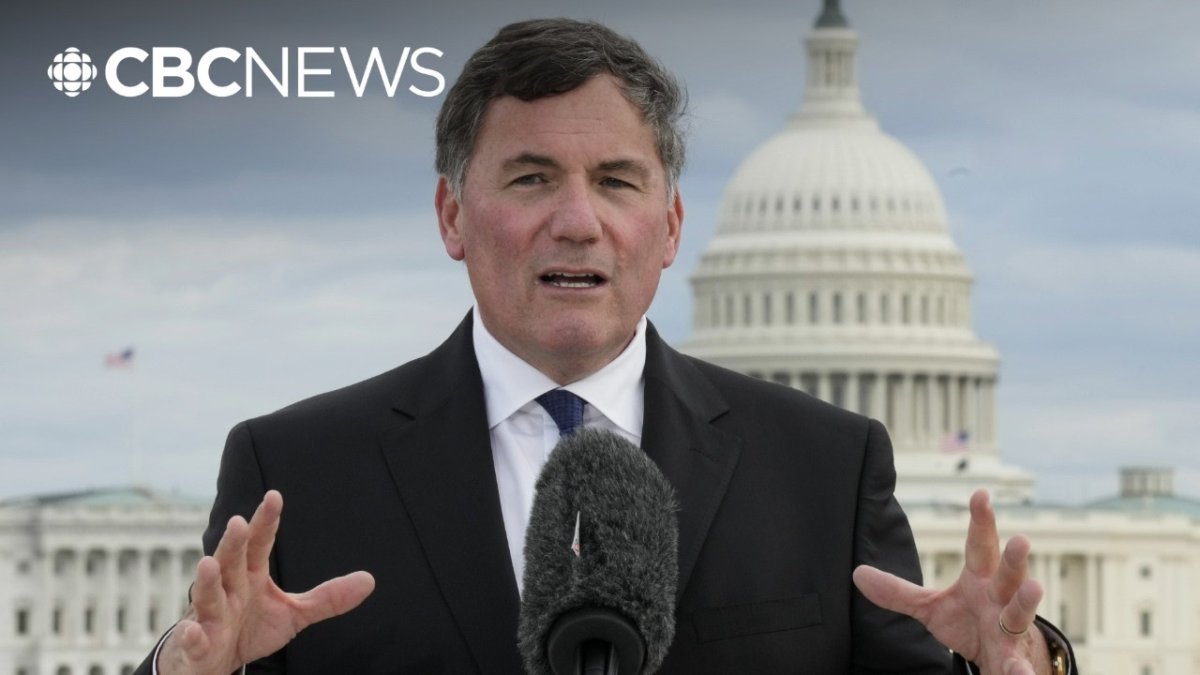
The Tariff Challenge
Canada is actively seeking relief on sectoral tariffs imposed on steel, aluminum, autos, and softwood lumber, as Minister LeBlanc emphasized the need for substantive discussions to resolve these barriers that threaten jobs in Ontario's auto plants and British Columbia's forestry operations tied to federal trade strategies.
A senior U.S. official acknowledged Canadian concerns by noting that import controls on steel, aluminum, and autos will remain in place in the interest of U.S. national security, despite understanding Ottawa's position, which highlights the ongoing challenge for Canadian federal negotiators balancing provincial economic needs with cross-border realities.
These tariff issues directly connect to Canada's broader economy, where federal politics under Prime Minister Mark Carney focus on mitigating impacts to labour markets in steel-producing regions of Ontario and aluminum facilities in Quebec, ensuring that CUSMA's framework supports rather than hinders provincial growth until the 2036 horizon.
Mexican Position and Trilateral Dynamics
Mexican President Claudia Sheinbaum downplayed the significance of the U.S. decision, stating that an extension remains possible at any time over the next decade, which contrasts with Canada's more urgent federal push for immediate talks and reflects differing national approaches within the trilateral partnership.
Mexico has its third round of negotiations with the United States scheduled for July 20, positioning it separately as a senior Trump official distinguished Mexico from Canada by noting that Mexico understands tariff policies and has been constructive, while accusing Canada of not adequately addressing non-tariff barriers in ongoing discussions.
Trilateral dynamics continue to evolve with LeBlanc confirming that all three countries agreed on the importance of continuing discussions, linking federal Canadian efforts to provincial trade interests in areas like Saskatchewan's potash exports and New Brunswick's energy projects that benefit from stable North American supply chains under CUSMA.
Sector-by-Sector Impacts
In the automotive sector, CUSMA's provisions have supported integrated supply chains across Ontario and Michigan, yet looming U.S. import controls threaten this integration, prompting federal responses aimed at safeguarding the 37 percent trade growth that has bolstered employment in Canadian manufacturing hubs.
Steel and aluminum industries face direct tariff pressures, with impacts concentrated in Ontario and Quebec where federal economic data shows these sectors contribute substantially to the 1.9 trillion dollar annual trade volume, requiring targeted negotiations to prevent provincial downturns before 2036.
Softwood lumber and autos represent additional flashpoints where Canadian provinces such as British Columbia and Ontario seek relief, as the exemption of nearly 90 percent of exports from general tariffs under CUSMA provides a buffer that federal officials aim to preserve amid U.S. national security justifications for controls.
Political Reactions in Ottawa
Prime Minister Mark Carney's pre-meeting comments about expecting no drama underscore the federal government's measured approach to the U.S. announcement, focusing instead on sustained engagement to protect Canada's economic interests across provinces connected through federal trade agreements.
Dominic LeBlanc highlighted Canada's desire for substantive discussions on steel, aluminum, autos, and lumber tariffs, aligning with Ottawa's political strategy to address provincial concerns from Alberta's resource economy to Atlantic Canada's export dependencies without disrupting the agreement's force until 2036.
Broader political reactions in Ottawa emphasize the need for continued trilateral talks, as neither LeBlanc nor Greer indicated when negotiators will meet next, leaving federal policymakers to navigate the six-month withdrawal possibility while advancing economic policies that tie into provincial labour and trade data.
What Happens Next
With CUSMA remaining operational until 2036, the next steps involve ongoing federal efforts by Canada to secure amendments addressing trade deficits and tariffs, building on the agreement that has driven 37 percent growth and supported provincial economies from coast to coast.
Any country retains the option to withdraw with six months' notice, yet Canadian officials under Mark Carney prioritize dialogue, as evidenced by LeBlanc's statements on agreed-upon continued discussions that could influence future rounds similar to Mexico's July 20 session.
Federal politics in Ottawa will likely centre on preparing for potential renegotiations that safeguard the 1.9 trillion dollar trade level and 90 percent tariff exemptions, ensuring that provincial connections in key sectors like autos and lumber endure through evidence-based engagement with U.S. counterparts.
By Alex Thompson, Staff Writer
This article was produced with AI-assisted research and editorial support. Reporting is based on sources cited in the article.
What's Your Reaction?
 Like
0
Like
0
 Dislike
0
Dislike
0
 Love
0
Love
0
 Funny
0
Funny
0
 Wow
0
Wow
0
 Sad
0
Sad
0
 Angry
0
Angry
0

Canada Correspondent at Global1.News. Based in Toronto, covering Canadian politics, energy, trade, and US-Canada relations. Provides the Canadian perspective on North American and global affairs.















Comments (0)