
Nollywood's July 2026 Blockbuster Lineup
Nollywood's Global Ascent and the Promise of July 2026 Nollywood continues to command attention across continents as one of the most prolific film industries in the world. Its stories travel from Lagos living rooms to international festivals, carrying the rhythms of everyday African life. The July 2026 slate arrives at a moment when audiences everywhere seek authentic narrative
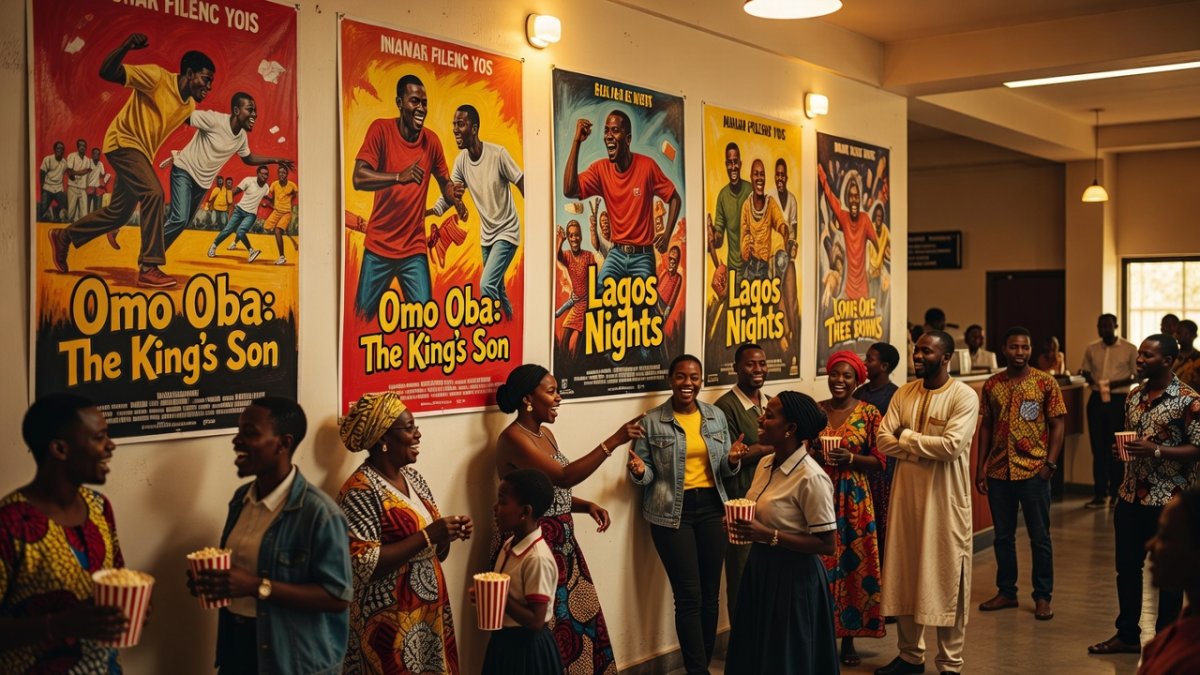
Nollywood's Global Ascent and the Promise of July 2026
Nollywood continues to command attention across continents as one of the most prolific film industries in the world. Its stories travel from Lagos living rooms to international festivals, carrying the rhythms of everyday African life. The July 2026 slate arrives at a moment when audiences everywhere seek authentic narratives that reflect both struggle and triumph. Three major releases scheduled for the month underscore how Nigerian cinema is refining its craft while remaining deeply rooted in local realities.
This lineup matters because it demonstrates sustained momentum rather than fleeting success. Family dramas, sequels with cross-border appeal, and language-driven stories about migration sit alongside one another. Together they signal that Nollywood is no longer content with volume alone. Instead, the industry invests in layered performances and thoughtful direction that invite viewers to linger with characters long after the credits roll. For West African audiences, including those in Senegal, these films reinforce a shared sense of cultural pride.
The timing also aligns with growing interest from global platforms eager to showcase African content. When films open on July 3, July 10, and July 24, they will reach homes far beyond Nigeria. This reach strengthens the continent's collective voice in world cinema. Senegalese viewers will recognize familiar themes of family obligation and personal ambition, even when the dialogue unfolds in Yoruba or Igbo. Such connections remind us that African storytelling thrives when it honors its many tongues and traditions.
Alechenu: A Family Drama Rooted in Realities
Alechenu opens on July 3, 2026, under the direction of Biodun Stephen. The film centers on the intricate bonds within one family as members confront personal struggles and the weight of difficult choices. Rather than offering easy resolutions, the story examines how love and responsibility intersect in everyday Nigerian households. Audiences witness characters navigating disappointment, forgiveness, and the quiet courage required to move forward.
Bimbo Ademoye leads the cast alongside Mike Ezuruonye, Femi Adebayo, Adeniyi Johnson, and Blessing Obasi. Ademoye has earned widespread admiration for roles that reveal the inner lives of women balancing societal expectations with private desires. Her presence anchors the drama in emotional truth. Biodun Stephen, who also appears in the film, brings a director's eye for pacing that allows scenes to breathe. The result feels intimate yet expansive, much like conversations heard around family compounds across West Africa.
For Senegalese audiences, Alechenu echoes the domestic stories long celebrated in our own cinema. The emphasis on collective decision-making over individual triumph mirrors values many of us grew up with. By investing in high production values and character-driven writing, Nollywood shows it can deliver both entertainment and reflection. This approach invites viewers to see their own families on screen without exaggeration or caricature.
The Return of Omotara Johnson: Sequel Magic and Cross-Border Production
The Return of Omotara Johnson arrives on July 10, 2026, directed by Dare Olaitan. As a sequel to the beloved Yoruba classic, the film follows a woman determined to leave her criminal past behind. When her son faces a murder accusation, she must decide how far she will go to protect him. The narrative explores redemption without ignoring the pull of old loyalties and the consequences of earlier choices.
The cast features Richard Mofe-Damijo, Nse Ikpe-Etim, Shaffy Bello, Timini Egbuson, Ali Nuhu, Chidi Mokeme, Lilian Esoro, and Bukky Wright. Their combined experience brings gravitas to a story that spans generations. Production took place in both Nigeria and the United Kingdom, allowing the film to capture contrasting environments that shape the characters' decisions. This dual setting broadens the story's texture while keeping its emotional core firmly Nigerian.
Many observers anticipate strong box-office performance, yet the film's deeper value lies in its willingness to revisit a familiar character with fresh complexity. Senegalese viewers familiar with our own cinematic sequels will appreciate how the story respects audience investment in Omotara's journey. By blending suspense with moral questions, the film demonstrates Nollywood's growing confidence in long-form storytelling that travels well across borders.
Njem: The Journey: Igbo Voices and Migration Narratives
Njem: The Journey opens July 24, 2026, directed by Uche Chukwu. The title itself means "journey" in Igbo, signaling a story centered on movement and transformation. A young man dreams of building a life abroad, yet encounters loss, love, and choices that test his resolve. The film examines hope and resilience without promising tidy outcomes, reflecting the real uncertainties many young Africans face when considering migration.
Chimezie Imo and Rotimi Salami lead the cast. Their performances ground the narrative in personal stakes rather than broad statements. The film premiered at AFRIFF 2025, giving early audiences a chance to engage with its themes before wider release. By telling the story partly in Igbo, Njem honors linguistic diversity within Nigeria and across the continent. This choice expands the reach of African-language cinema beyond subtitles alone.
Senegalese audiences will recognize the tension between staying rooted and seeking opportunity elsewhere. Our own families often debate similar questions when children consider work in Europe or beyond. Njem offers no lectures, only honest portrayals of growth amid uncertainty. Its placement in the July lineup ensures that Igbo storytelling receives the same spotlight as English-language and Yoruba productions, strengthening Nollywood's commitment to internal variety.
Nollywood's Evolution: Quality, Languages, and Reach
The July 2026 releases illustrate clear progress in production standards and narrative ambition. Directors such as Biodun Stephen, Dare Olaitan, and Uche Chukwu demonstrate control over tone and pacing that rewards sustained attention. Casts combine established stars with performers who bring fresh energy, creating ensembles capable of carrying emotionally dense material. These choices reflect an industry maturing beyond rapid output toward deliberate craftsmanship.
Language plays a central role in this evolution. While English remains prominent, the inclusion of Yoruba and Igbo stories signals respect for Nigeria's linguistic landscape. International co-productions further extend reach without diluting cultural specificity. When a film shoots in both Lagos and London, it carries authentic details of place that global audiences notice and appreciate. This balance helps Nollywood compete while remaining unmistakably African.
West African neighbors, including Senegal, benefit from these advances. As platforms distribute the films widely, viewers encounter stories that feel proximate rather than distant. The emphasis on family, migration, and moral complexity resonates across borders because the underlying values remain familiar. Nollywood's evolution therefore strengthens the entire region's cinematic identity.
Leading the Way: Nollywood's Influence on African Cinema's Future
Nollywood's consistent output and improving quality position it as a leader for other African industries. The July slate shows how commercial viability can coexist with meaningful themes. When family dramas and migration stories achieve both critical notice and audience numbers, they create models that filmmakers in Dakar, Accra, and beyond can adapt to their own contexts. This leadership is collaborative rather than competitive.
Senegal's own cinema has long valued intimate character studies and social commentary. Seeing Nollywood refine similar approaches encourages cross-pollination. Joint festivals, shared talent, and mutual distribution deals become more feasible when Nigerian films demonstrate sustained excellence. The result is a stronger continental ecosystem where stories move freely and enrich one another.
Young African directors watching these releases will note the attention given to performance and setting. They will also observe how language functions as an asset rather than a barrier. Such lessons support the growth of diverse national cinemas while reinforcing the idea that African stories deserve global stages. Nollywood leads by example, showing that cultural specificity travels when paired with emotional honesty.
A Viewing Guide and Lasting Cultural Resonance
Viewers can mark their calendars for July 3 with Alechenu, July 10 with The Return of Omotara Johnson, and July 24 with Njem: The Journey. Each film offers distinct entry points into contemporary Nigerian life while sharing themes of family, consequence, and personal growth. Watching them in sequence reveals the breadth of Nollywood's current moment and its willingness to explore different registers of storytelling.
Beyond entertainment, these releases carry cultural weight. They affirm that African cinema can address universal questions through particular lenses. Senegalese audiences will find echoes of their own experiences in the family tensions of Alechenu, the redemptive arc of Omotara Johnson, and the migration dilemmas of Njem. Such recognition fosters pride in a shared cinematic heritage that continues to evolve.
By the end of July 2026, these three films will have contributed to ongoing conversations about identity, opportunity, and resilience across West Africa. Their collective impact lies not only in box-office figures but in the quiet ways they validate African lives on screen. Nollywood's July offerings therefore serve as both celebration and invitation to keep telling our stories with care and courage.
By Amara Diop, Staff WriterThis article was produced with AI-assisted research and editorial support. Reporting is based on sources cited in the article.
What's Your Reaction?
 Like
0
Like
0
 Dislike
0
Dislike
0
 Love
0
Love
0
 Funny
0
Funny
0
 Wow
0
Wow
0
 Sad
0
Sad
0
 Angry
0
Angry
0

West Africa/Sahel Correspondent at Global1.News. Dakar-based journalist covering politics, security, climate, and development across Francophone and Anglophone West Africa. Tells the stories of a region undergoing profound transformation.












Comments (0)