
Trump Signals F-35 Reversal for Turkey at NATO Summit in Ankara
<p>In a recent i24NEWS report, President Donald Trump stated he will certainly consider selling F-35 fighter jets to Turkey and lifting CAATSA sanctions during his meetings with Turkish President Recep Tayyip Erdogan at the NATO summit in Ankara on July 7-8, 2026. The remarks came as Trump made his first visit to Turkey as president since 2015. Israeli officials immediately conveyed opposition to the potential reversal through channels at the U.S. Embassy in Tel Aviv and the Prime Minister's Off

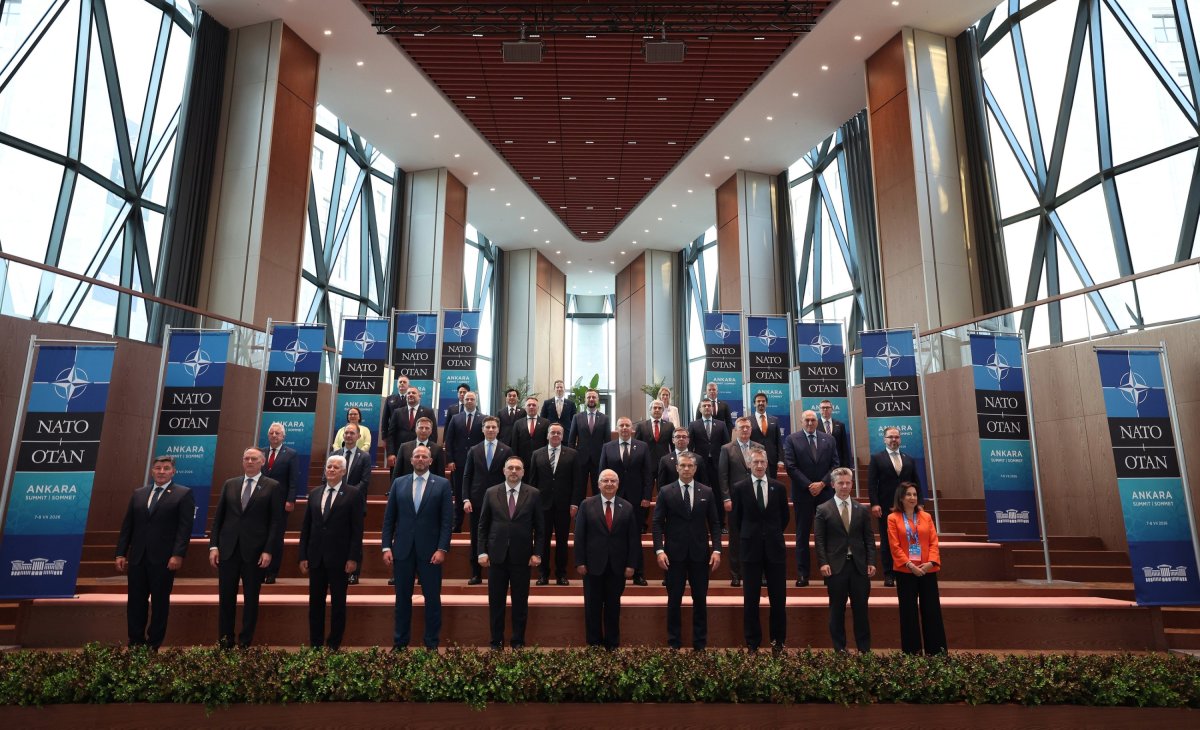
In a recent i24NEWS report, President Donald Trump stated he will certainly consider selling F-35 fighter jets to Turkey and lifting CAATSA sanctions during his meetings with Turkish President Recep Tayyip Erdogan at the NATO summit in Ankara on July 7-8, 2026. The remarks came as Trump made his first visit to Turkey as president since 2015. Israeli officials immediately conveyed opposition to the potential reversal through channels at the U.S. Embassy in Tel Aviv and the Prime Minister's Office in Jerusalem.
Trump Signals Reversal on F-35 Sales and CAATSA Sanctions for Turkey
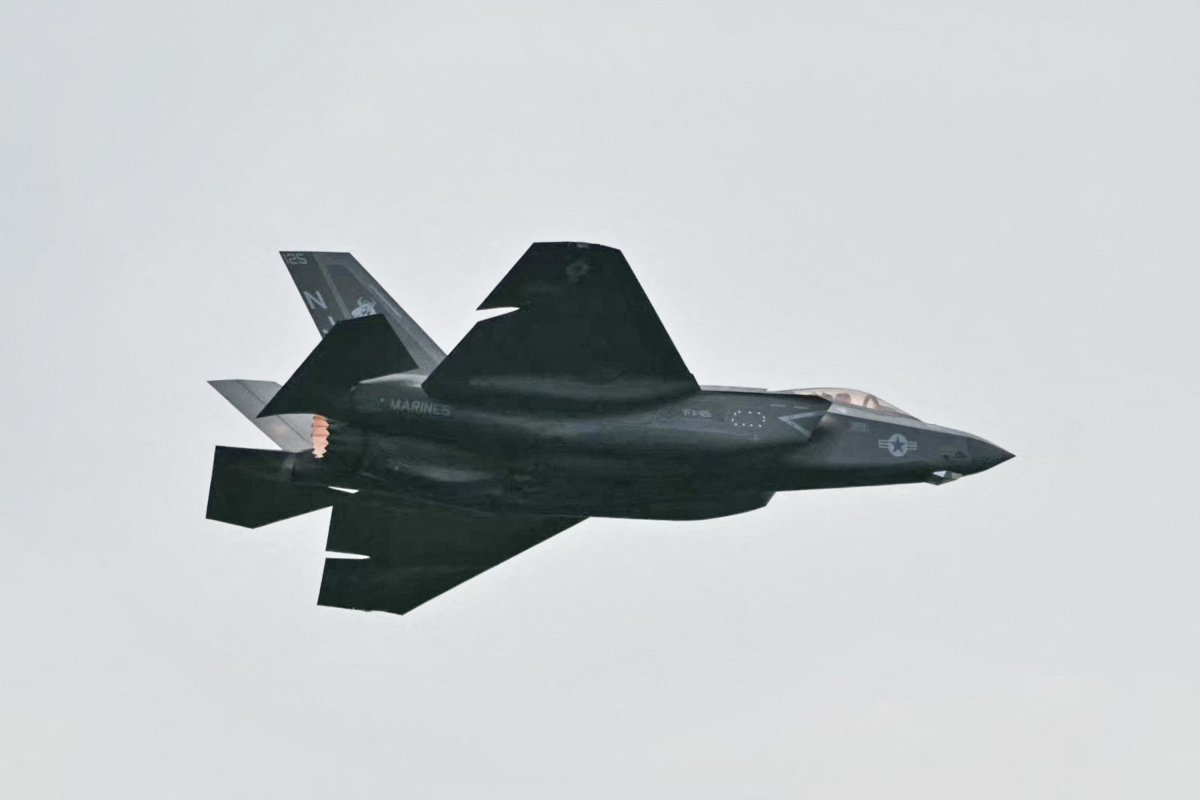
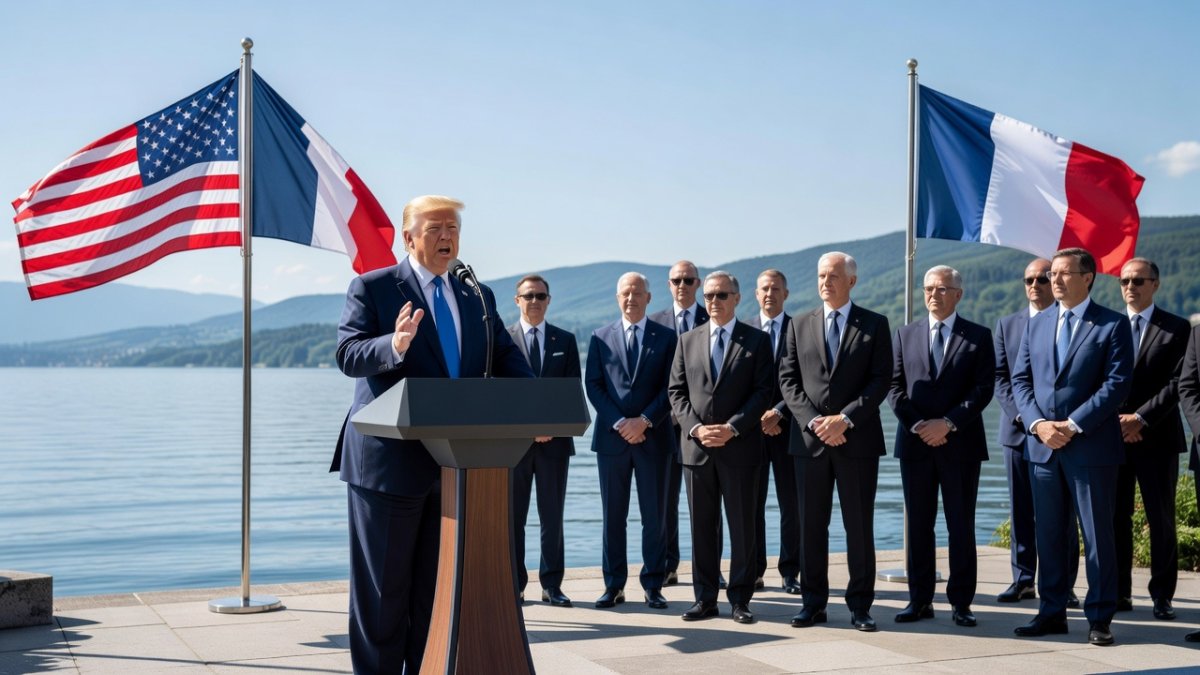
Jerusalem – July 8, 2026 — President Donald Trump announced at the NATO summit in Ankara that he will certainly consider selling F-35 stealth fighter jets to Turkey and lifting Countering America's Adversaries Through Sanctions Act sanctions imposed after Ankara's 2019 purchase of the Russian S-400 system. The statement followed closed-door talks with Turkish President Recep Tayyip Erdogan at the Turkish capital's presidential complex. This development directly affects Israel's security calculations in the Eastern Mediterranean.
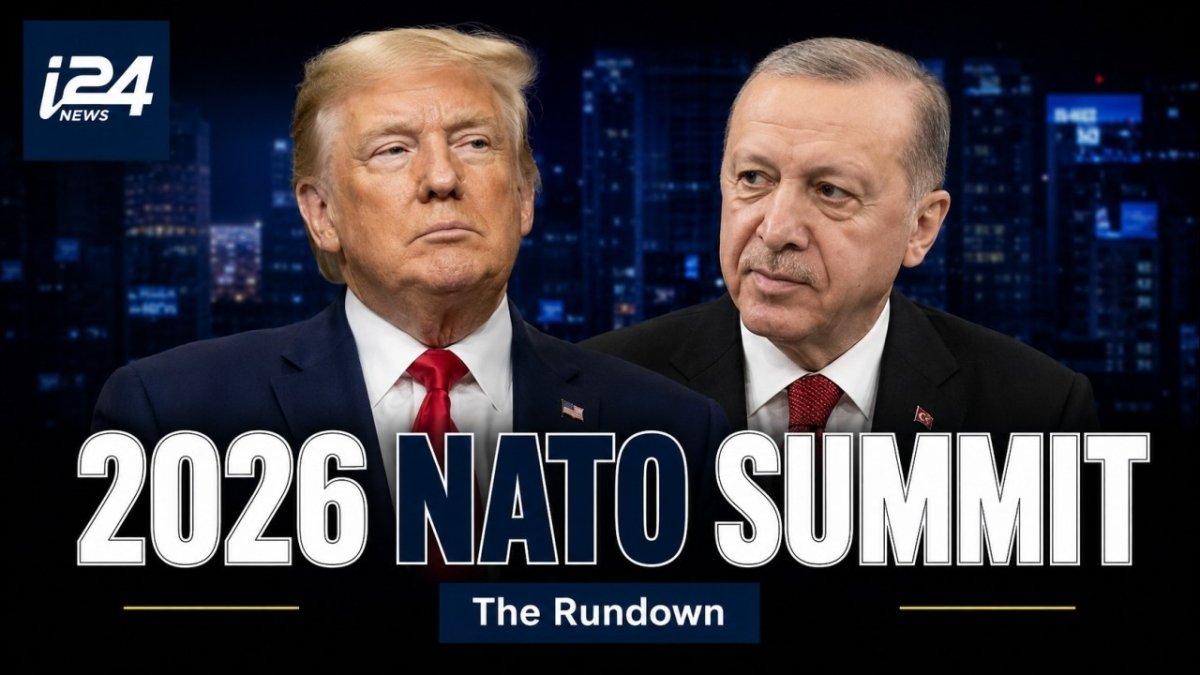
The Ankara Summit and the F-35 Reversal
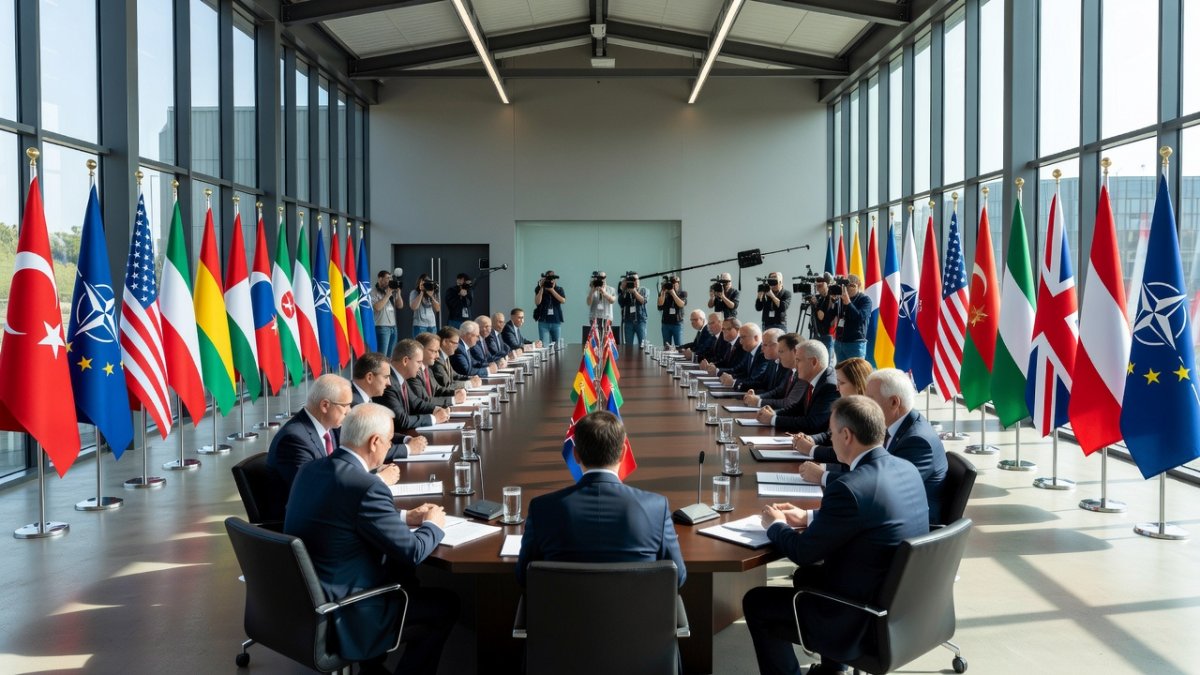
President Donald Trump met Turkish President Recep Tayyip Erdogan at the NATO summit held in Ankara on July 7-8, 2026. During the session, Trump confirmed he would consider both the F-35 sale and removal of CAATSA sanctions tied to Turkey's 2019 acquisition of the Russian S-400 missile defense system. The Turkish Foreign Ministry hosted the bilateral portion of the talks at the presidential palace in the Turkish capital.
Trump's announcement reverses the 2019 decision under his first administration that expelled Turkey from the F-35 program. Erdogan has pressed for reinstatement of Turkish access to the aircraft since that exclusion. The current proposal also includes potential supply of F-110 engines to support Turkey's domestic KAAN fighter jet program based at the Turkish Aerospace Industries facility in Ankara.
Israel's Opposition and the Qualitative Military Edge
Israeli officials in Jerusalem have transmitted formal messages to the Trump administration opposing any F-35 transfer to Turkey. The Prime Minister's Office and Foreign Ministry in Jerusalem cited the need to preserve Israel's Qualitative Military Edge under U.S. law. Israeli concerns center on the risk that Turkish operation of the jets could expose Israeli-made components supplied by companies such as Israel Aerospace Industries and Elbit Systems.
The Israeli Air Force maintains its edge through exclusive access to certain F-35 variants and software configurations not shared with other operators. Security officials in Tel Aviv assess that Turkish integration of the platform could allow indirect access to sensitive data through maintenance and logistics networks. The Shin Bet has flagged potential intelligence risks in joint NATO exercises involving Turkish F-35s.
Regional Implications: Greece, Cyprus, and the Eastern Mediterranean
Greek Prime Minister Kyriakos Mitsotakis conveyed concerns to Washington about the proposed F-35 sale to Turkey. Greek officials in Athens highlighted risks to the balance of power in the Aegean Sea and Eastern Mediterranean. Cyprus has echoed these warnings through its Foreign Ministry in Nicosia, citing ongoing tensions over exclusive economic zones.
The Eastern Mediterranean security environment involves regular patrols by the Israeli Navy near the gas fields off the coast of Israel and Cyprus. Any Turkish F-35 deployment from Incirlik Air Base would alter response times for Israeli aircraft operating from Nevatim Air Base in southern Israel. Analysts in Tel Aviv note that such a shift could require adjustments in Israeli Air Force training protocols.
Turkey's Long Road Back to the F-35 Program
Turkey was removed from the F-35 program in July 2019 after taking delivery of the Russian S-400 system. The first Trump administration imposed CAATSA sanctions on Turkish entities involved in that purchase. Erdogan has repeatedly raised the issue in bilateral meetings with U.S. officials since that exclusion.
The current proposal under discussion includes both F-35 aircraft and F-110 engines for the KAAN program. Turkish defense officials in Ankara have maintained that the S-400 purchase was necessary for national air defense. The 2019 removal halted Turkish industrial participation in F-35 production lines previously located at facilities near Ankara.
Congressional Hurdles and What Comes Next
Any F-35 sale to Turkey requires congressional approval under the Arms Export Control Act. Bipartisan members of the Senate Foreign Relations Committee have already signaled scrutiny over the CAATSA sanctions relief. The House Armed Services Committee will review the proposal when it reaches the floor later this year.
U.S. defense contractors involved in the F-35 supply chain await formal notification from the State Department. Turkish procurement officials in Ankara have prepared preliminary letters of request. The process could extend several months before any hardware transfer occurs.
Analysis: A Strategic Gamble for NATO and the Middle East
The proposed F-35 reversal aims to anchor Turkey more firmly within the Western defense framework amid ongoing global volatility. NATO cohesion benefits from reduced Turkish reliance on Russian systems, yet the move introduces new friction points with Israel and Greece. Israeli security planners in Tel Aviv must now recalibrate assumptions about regional air superiority that have held since 2019.
Turkey's relations with Israel have deteriorated in recent years under Erdogan's public rhetoric directed at Israeli policies. This dynamic complicates any future intelligence-sharing arrangements involving F-35 platforms. The U.S. decision ultimately tests whether Ankara can maintain simultaneous alignment with NATO standards and its independent defense procurement choices.
By Hannah Berg, Staff Writer
What's Your Reaction?
 Like
0
Like
0
 Dislike
0
Dislike
0
 Love
0
Love
0
 Funny
0
Funny
0
 Wow
0
Wow
0
 Sad
0
Sad
0
 Angry
0
Angry
0







Comments (0)