
Likud Power Struggle: Netanyahu Faces Party Rebellion
In a recent i24NEWS Daily Breakdown segment, political analyst Gil Hoffman discussed the internal power struggle within Prime Minister Benjamin Netanyahu's Likud Party, highlighting tensions over candidate selection for the upcoming Knesset elections. The Likud constitution committee met in Jerusalem and unanimously set the party's primaries for its Knesset list no later than J
In a recent i24NEWS Daily Breakdown segment, political analyst Gil Hoffman discussed the internal power struggle within Prime Minister Benjamin Netanyahu's Likud Party, highlighting tensions over candidate selection for the upcoming Knesset elections. The Likud constitution committee met in Jerusalem and unanimously set the party's primaries for its Knesset list no later than July 28, 2026. This decision directly affects how the party will present candidates to voters in Tel Aviv, Haifa, and Beersheba, where daily security concerns from Gaza and the West Bank shape political preferences.
Internal Divisions Surface in Likud Ahead of Knesset Vote
Jerusalem, Israel – July 7, 2026 —
The committee also ruled that if the Knesset dissolves early, primaries must occur two months before the new election date. Netanyahu's office in the Prime Minister's Office had pushed for cancellation of open primaries in favor of a steering committee under his direct influence. Such a move would have altered the balance between populist voices and more moderate figures who appeal to swing voters in central Israel.
Netanyahu's Attempt to Reshape the Candidate List
Netanyahu sought broader personal control over the Likud Knesset list to avoid candidates who energize the party base but alienate moderate right-wing voters. Internal Likud polls conducted by Netanyahu's circle showed that the composition of the list ranks as the second-most important issue for party supporters, just behind the rising cost of living in cities like Tel Aviv and Netanya. Approximately 400,000 votes remain fluid between the right-wing and centrist blocs, according to a Likud source.
The constitution committee's decision to proceed with primaries reduced the immediate chances of a one-time cancellation. A petition filed in court to block the committee's convening produced no injunction, allowing the process to move forward. This outcome preserves the standard mechanism that has historically determined Likud representation in the Knesset building in Jerusalem.
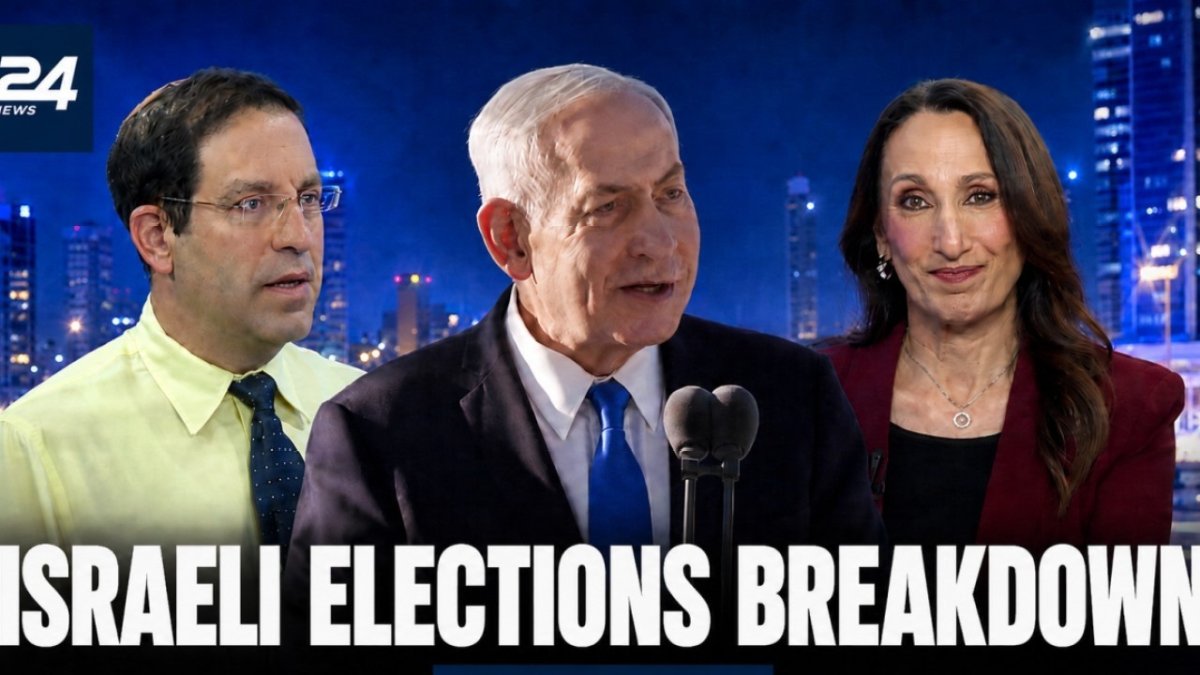
Prominent MKs Driving Internal Tensions
MK Tally Gotliv stands out as a candidate popular with Likud members yet viewed by party strategists as likely to deter moderate right-wing voters in places such as Ra'anana and Herzliya. Similar dynamics apply to MKs Shlomo Karhi, Miri Regev, and May Golan, whose vocal positions on security issues resonate inside the party but complicate outreach beyond the core base. These figures frequently address audiences in southern Israel near the Gaza border, where rocket threats from Hamas remain a daily reality.
At a mock primary held during the party convention, MK Amir Ohana finished first by a wide margin. Netanyahu expressed satisfaction with this result, noting that Ohana embodies the classic Likud profile that maintains support among both the base and swing voters. Ohana's strong showing underscores the party's need for candidates who can address threats from Hezbollah in the north without narrowing the electoral coalition.
Yuli Edelstein's Exit Highlights Growing Fractures
Former Knesset Speaker Yuli Edelstein announced his departure from Likud, stating he could no longer defend the party's current agenda and would instead seek a broad coalition. Edelstein, long considered a leading internal rival to Netanyahu, confirmed he will not participate in the party's primary. Several other former Likud members have joined him in exploring centrist alternatives, further exposing divisions that could affect coalition stability after the next election.
These departures occur against the backdrop of the constitutional deadline requiring Knesset elections no later than October 27, 2026. Analysts note that the loss of experienced figures like Edelstein reduces Likud's institutional memory on foreign affairs committees dealing with the Palestinian Authority in Ramallah and diplomatic channels with the United States and European Union.
Implications for Security Policy and Regional Standing
The outcome of Likud's primaries will shape Israel's approach to ongoing operations by the IDF along the Gaza border and in the West Bank. Candidates who prioritize populist messaging may accelerate confrontations with Hamas while complicating coordination with Shin Bet on intelligence matters. Moderate voices on the list could instead favor measured responses that preserve diplomatic space with Jordan and Egypt.
With roughly 400,000 wavering voters identified in Likud's internal surveys, the final list composition carries direct consequences for government formation in Jerusalem. A narrower right-wing majority would limit flexibility in negotiations involving the Foreign Ministry and could intensify pressure from Hezbollah along the Lebanon frontier. Daily life in northern communities already reflects these tensions through heightened alert levels and reserve call-ups.
Political analysts, including those appearing on i24NEWS, emphasize that the struggle inside Likud reflects wider questions about how Israel balances domestic political survival with the need for stable security partnerships. The presence of figures such as Amir Ohana at the top of mock results suggests the party retains some capacity to field candidates acceptable to both its base and the broader electorate required to maintain a governing coalition.
Next Steps for Likud and the Israeli Political System
The Likud constitution committee's ruling locks in July 28, 2026, as the latest date for primaries unless elections are advanced. Party members in branches across the country will now prepare for the vote that will determine which MKs represent Likud in the next Knesset. Netanyahu's team continues to monitor polling that places list composition immediately behind economic concerns for supporters in urban centers.
Any shift toward more centrist candidates could improve Likud's prospects for attracting the 400,000 floating voters, while a populist-heavy list risks ceding ground to emerging centrist movements formed by Edelstein and other former members. The coming weeks will test whether the party can reconcile these competing pressures before the constitutional deadline in late October 2026.
By Hannah Berg, Staff WriterThis article was produced with AI-assisted research and editorial support. Reporting is based on sources cited in the article.
What's Your Reaction?
 Like
0
Like
0
 Dislike
0
Dislike
0
 Love
0
Love
0
 Funny
0
Funny
0
 Wow
0
Wow
0
 Sad
0
Sad
0
 Angry
0
Angry
0
Israel Correspondent at Global1.News. Based in Tel Aviv, covering Israeli politics, security, technology, and society. Provides balanced, deeply-sourced reporting on one of the most closely-watched regions in the world.














Comments (0)