
Gaza at 1,000 Days: Regional War Spreads as Gaza, West Bank, and Lebanon Burn
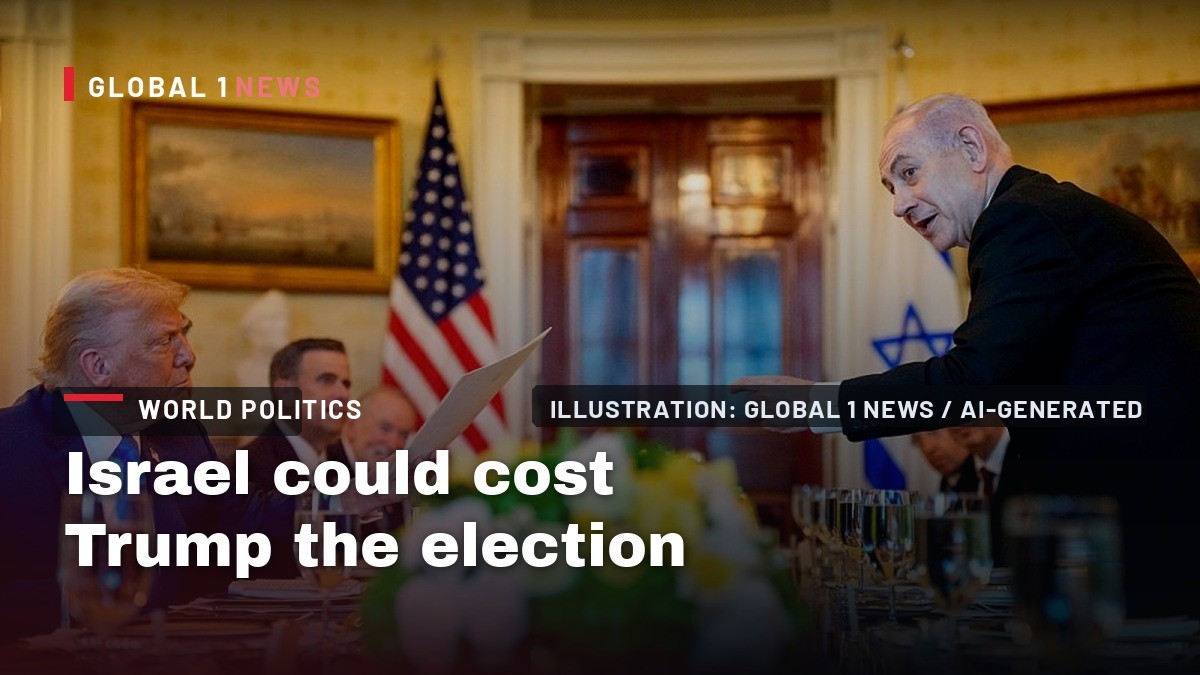
In a recent Middle East Eye report from the MEE EXPLAINS series titled "Lebanon war: Has Trump completely lost control of Netanyahu?", the widening rift between Washington and Tel Aviv comes into sharp focus as Israeli Prime Minister Benjamin Netanyahu pushes military operations across multiple fronts. The analysis highlights how U.S. pressure has failed to contain the expansio
In a recent Middle East Eye report from the MEE EXPLAINS series titled "Lebanon war: Has Trump completely lost control of Netanyahu?", the widening rift between Washington and Tel Aviv comes into sharp focus as Israeli Prime Minister Benjamin Netanyahu pushes military operations across multiple fronts. The analysis highlights how U.S. pressure has failed to contain the expansion of conflict from Gaza into Lebanon and the West Bank, even as diplomatic channels with Iran remain open through a fragile memorandum of understanding. This regional spread marks a dangerous evolution from the original October 2023 assault on Gaza, now entering its 1,000th day on July 2-3, 2026.
A Thousand Days of Unrelenting Conflict
July 2-3, 2026, marked one thousand days since Israeli forces launched their campaign in Gaza following the October 7, 2023, attacks. Gaza's Health Ministry has documented 73,098 Palestinian deaths since the war began, including 1,072 killed after the October 2025 ceasefire. These figures reflect not only direct combat casualties but also the cumulative effects of restricted access to food, water, and medical care across the territory. The milestone arrives amid continued Israeli strikes and the expansion of buffer zones that now place more than 70 percent of Gaza under direct military control.
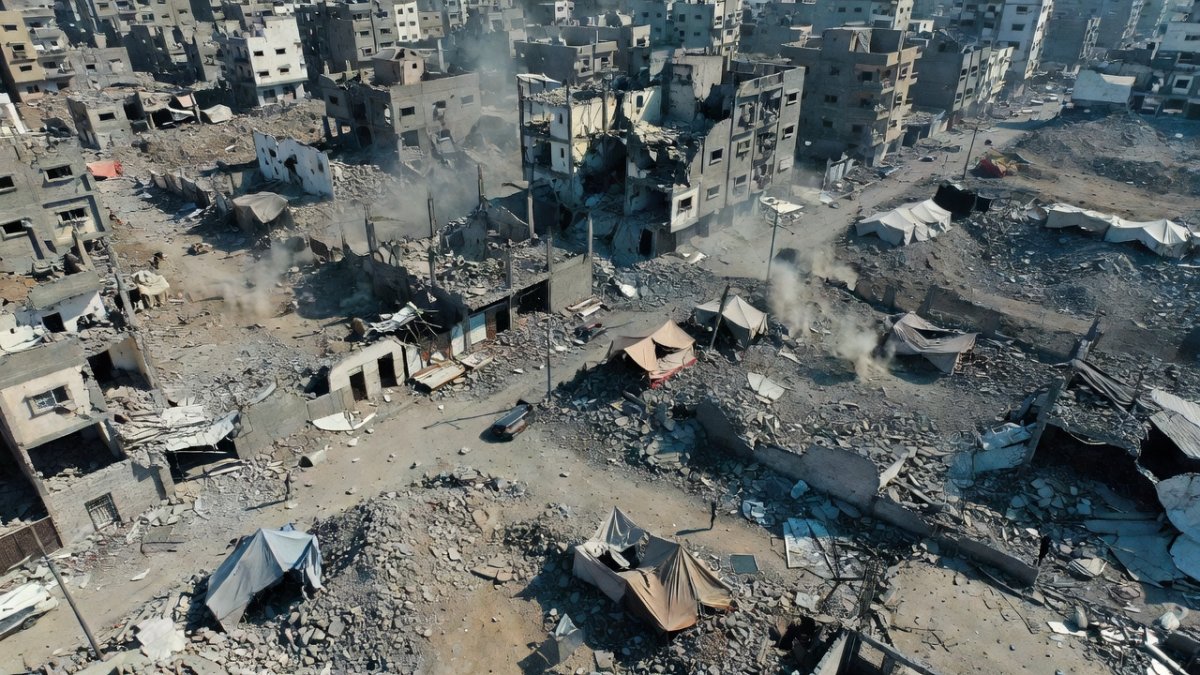
Israeli operations have included repeated demolitions of residential structures and agricultural land, further entrenching a landscape of rubble where entire neighborhoods once stood. Over 90 percent of Gaza's housing stock has been destroyed, according to the Gaza Government Media Office, leaving families with no viable path to return or rebuild under current conditions. The scale of destruction has transformed daily life into a struggle for basic survival, with residents navigating checkpoints and restricted zones that limit movement between what remains of their communities.
Political Shifts Amid the Rubble
On July 6, 2026, Hamas announced the dissolution of its Gaza governing body after nearly two decades in power. The decision cleared the way for a proposed U.S.-backed technocratic National Committee for the Administration of Gaza. Israeli officials dismissed the move as a stunt, while Palestinian analysts viewed it as an attempt to create space for new administrative arrangements amid the humanitarian collapse. The change comes as the territory faces prolonged isolation, with the Rafah crossing still operating under severe restrictions that block the medical evacuation of an estimated 20,000 people identified by the United Nations as requiring urgent treatment abroad.
Local voices in Gaza describe the administrative vacuum as compounding an already dire situation. Community leaders note that the absence of stable governance structures has left aid distribution fragmented and vulnerable to further disruption from ongoing military activity. The proposed technocratic committee remains untested, and its ability to operate under continued buffer zone expansions is uncertain.
West Bank Communities Face Parallel Pressures
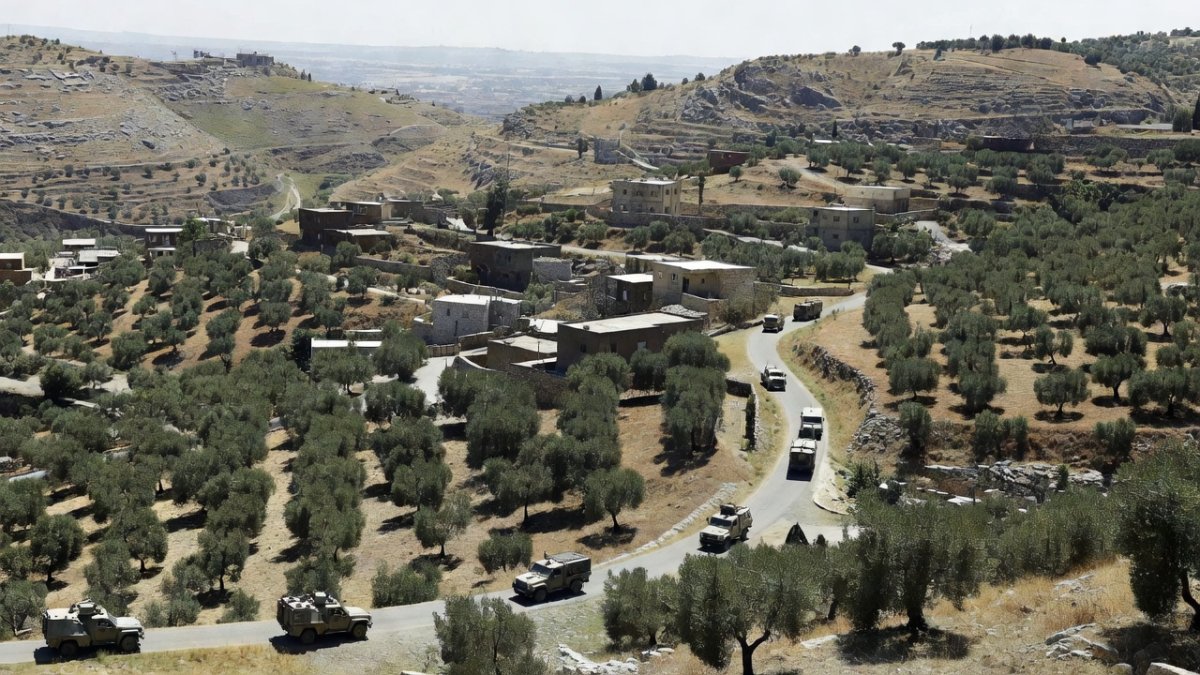
The conflict's reach extends beyond Gaza's borders into the occupied West Bank, where settler attacks have intensified. UNRWA reports that 1,098 Palestinians have been killed in the West Bank since October 2023, including 240 children. These deaths occur alongside a pattern of military closure orders, such as those renewed until July 31, 2026, in the Tulkarm and Nur Shams refugee camps. The measures restrict access to essential services and trap residents within confined areas, disrupting work, schooling, and medical access.
Palestinian families in these camps describe a climate of constant uncertainty, where routine activities carry heightened risk. The surge in settler violence has displaced additional households, adding to the broader regional total of more than 3 million people uprooted across Gaza and Lebanon. Local economies in the West Bank have contracted sharply as checkpoints and closures sever traditional trade routes and agricultural lands.
Lebanon Confronts Expanding Front Lines
Israeli forces have advanced into southern Lebanon, capturing Beaufort Castle and engaging in exchanges of fire with Hezbollah. The escalation has produced new waves of displacement, contributing to the regional total of over 3 million people forced from their homes. Lebanese border communities report repeated strikes that have damaged infrastructure and farmland, while Hezbollah's responses have drawn further Israeli operations deeper into the territory.
The Lebanon front has strained U.S.-Israel relations, as noted in the Middle East Eye analysis, with Washington appearing unable to restrain the pace of Israeli advances. This dynamic risks pulling additional regional actors into the conflict, particularly as disputes tied to the U.S.-Iran memorandum of understanding continue to surface in the Strait of Hormuz. The interconnected nature of these fronts illustrates how the original Gaza campaign has evolved into a multi-front crisis.
Displacement, Health, and International Oversight
More than 3 million people across Gaza and Lebanon now live in displacement due to land seizures and evacuation orders. In Gaza, the combination of destroyed housing and restricted crossings has created acute shortages of medical supplies and personnel. The United Nations has repeatedly warned that thousands require evacuation for treatment unavailable inside the territory, yet Rafah remains throttled by procedural and security constraints.
The UN Security Council is scheduled to hold its quarterly open debate on the Palestinian question in July 2026. Diplomats expect discussions to address the cumulative impact of operations in Gaza, the West Bank, and Lebanon, though concrete outcomes remain unclear given the fluid military situation. Palestinian civil society organizations have called for the debate to prioritize accountability mechanisms and immediate humanitarian corridors.
Paths Forward in a Widening Crisis
The convergence of military activity across three fronts has created a regional emergency that exceeds the scope of any single bilateral dispute. Gaza's administrative transition, the West Bank's mounting casualties, and Lebanon's new battle lines all trace back to the same strategic decisions that began in October 2023. Residents throughout these areas continue to bear the heaviest burdens, with daily life shaped by restrictions, loss, and the absence of durable ceasefires.
Analysts note that the U.S.-Iran channel offers one narrow avenue for de-escalation, yet its fragility is evident in ongoing maritime tensions. Without coordinated international pressure to halt the expansion of buffer zones and settler violence, the humanitarian toll is projected to rise further. Palestinian communities emphasize that any sustainable resolution must address the root drivers of displacement and destruction rather than temporary pauses in fighting.
By Fatima Al-Rashid, Staff WriterThis article was produced with AI-assisted research and editorial support. Reporting is based on sources cited in the article.
What's Your Reaction?
 Like
0
Like
0
 Dislike
0
Dislike
0
 Love
0
Love
0
 Funny
0
Funny
0
 Wow
0
Wow
0
 Sad
0
Sad
0
 Angry
0
Angry
0

Gulf/MENA Correspondent at Global1.News. Based in Doha, covering Gulf politics, energy markets, diplomacy, and development across the Middle East and North Africa. Tracks the economic transformation of the Gulf states.












Comments (0)