
The Doctor Who Refused to Look Away: Nagham Nawzat's Mission to Heal Yazidi Survivors
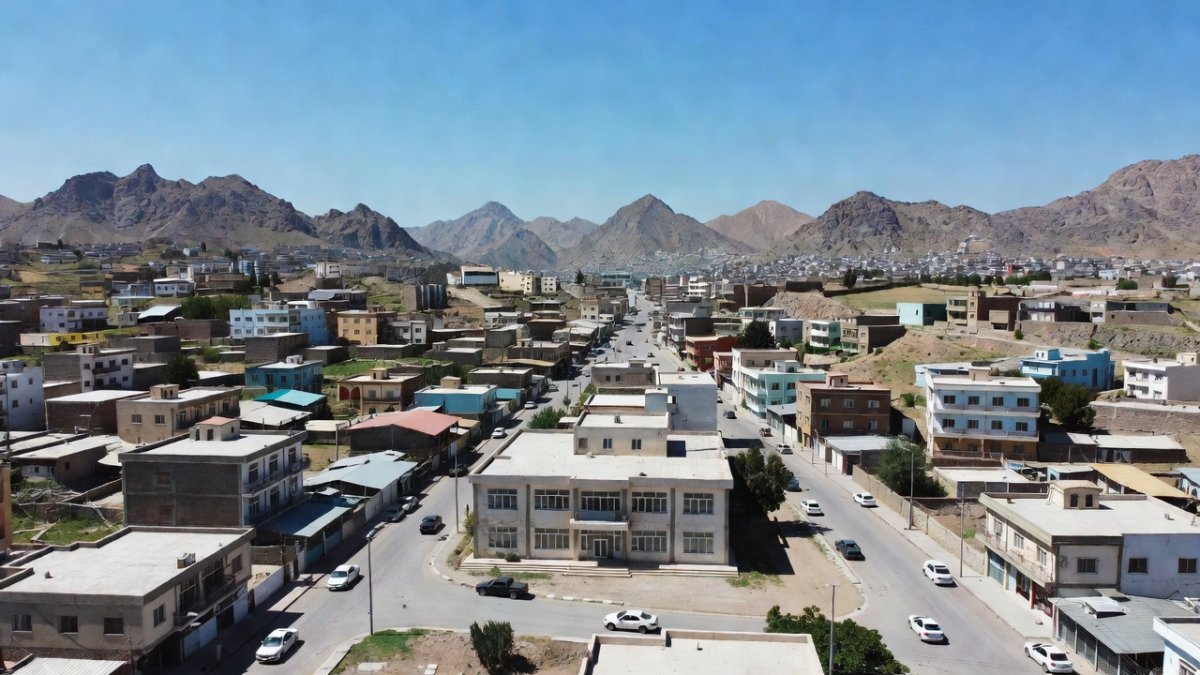
The Yazidi Genocide Unfolds in Northern Iraq On 3 August 2014 Islamic State militants overran Sinjar and surrounding areas, killing or kidnapping at least 12,000 Yazidis in what the United Nations has described as an ongoing genocide against the religious minority. The attacks displaced tens of thousands and targeted Yazidi women and girls for systematic sexual enslavement. Fig
The Yazidi Genocide Unfolds in Northern Iraq
On 3 August 2014 Islamic State militants overran Sinjar and surrounding areas, killing or kidnapping at least 12,000 Yazidis in what the United Nations has described as an ongoing genocide against the religious minority. The attacks displaced tens of thousands and targeted Yazidi women and girls for systematic sexual enslavement. Figures released by the Kurdistan Regional Government later confirmed that 2,023 Yazidi women had been liberated from IS-held territory by July 2018.
These numbers represent individual lives shattered by forced conversion, repeated rape and domestic servitude. Many survivors returned with severe physical injuries and psychological trauma that required immediate, specialised attention. The scale of the violence made clear that medical care alone would not suffice; survivors needed sustained emotional support delivered by trusted members of their own community.
Shireen’s Captivity and Release
Shireen was nineteen and preparing for a high-school examination in Sinjar when IS fighters entered her home. She was sold first to a militant in Tal Afar and then, three months later, to Abu Omar in Mosul, becoming his third wife. Abu Omar already maintained two Iraqi wives who beat her during visits. Guards prevented her from leaving the house or even stepping into the garden for fresh air.
Abu Omar later brought two additional Yazidi girls, aged six and ten, into the household. The younger child was forced to clean while the ten-year-old was raped. Shireen’s attempts to intervene were ignored. After more than two years she was freed during the Iraqi campaign to retake Mosul in 2016. Her uncle and several friends had been killed; her father and one sister remain missing. Upon release she suffered constant nightmares and depression that made sleep nearly impossible.
Dr Nagham Nawzat’s Path to Gynaecology
Nagham Nawzat was born in Mosul in 1976 to a Yazidi family. From an early age she focused on women’s health issues and graduated from Mosul Medical College with a degree in gynaecology in 2002. When IS seized nearly a third of Iraq in 2014 she was already practising in the Duhok area of the Kurdistan Region.
In 2015 she joined the Duhok Survivors’ Centre, the only facility in Iraq specialising in gender-based violence and funded by the United Nations Population Fund. There she began receiving women who had endured IS captivity. By mid-2018 she had provided care to an estimated 1,200 of the 2,023 liberated women, according to Hussein al-Qaidi, director of the Kidnapped Affairs department at the Kurdistan Regional Government office in Duhok.
Trauma-Informed Care at the Duhok Survivors’ Centre
Nawzat employs a post-traumatic medical approach that begins with a thorough physical examination followed by attentive listening. She offers survivors positive reinforcement and a safe space to recount their experiences. Survivors describe her as acting “like a big sister the survivors can confide in.”
Shireen visited the centre after her release. Nawzat conducted the medical check-up and then sat with her, telling her she had been brave. Shireen later stated that without this support she would not be alive today. The combination of clinical care and emotional validation has helped many women begin to rebuild their lives within the Yazidi community in Duhok and surrounding areas.
International Recognition and Regional Context
In March 2016 Nawzat received the International Women of Courage Award from then-US Secretary of State John Kerry for her psychological support to traumatised Yazidi survivors and her work combating gender-based violence. The award highlighted the importance of local medical professionals in addressing the long-term consequences of conflict-related sexual violence.
Across the Middle East, survivors of sexual violence in conflict zones face similar barriers to care, including stigma, limited specialised services and disrupted health systems. Nawzat’s model demonstrates that integrating gynaecological treatment with culturally sensitive psychological support can reduce isolation and improve recovery outcomes for women who have endured systematic abuse.
Continuing Needs for Survivors
Although more than 2,000 women had been freed by July 2018, many others remained missing and thousands of families continued to search for relatives. The skeletons of killed relatives lie in mass graves across Sinjar, a reality survivors such as Shireen confront daily. Sustained funding for centres like the one in Duhok remains essential to provide ongoing medical monitoring and mental-health support.
Nawzat’s work illustrates how one physician’s refusal to look away can alter the trajectory of hundreds of lives. Her practice of combining clinical rigour with empathetic presence offers a concrete example of trauma-informed care that respects both the medical and human dimensions of recovery from genocide and sexual violence.
By Fatima Al-Rashid, Staff WriterThis article was produced with AI-assisted research and editorial support. Reporting is based on sources cited in the article.
What's Your Reaction?
 Like
0
Like
0
 Dislike
0
Dislike
0
 Love
0
Love
0
 Funny
0
Funny
0
 Wow
0
Wow
0
 Sad
0
Sad
0
 Angry
0
Angry
0

Gulf/MENA Correspondent at Global1.News. Based in Doha, covering Gulf politics, energy markets, diplomacy, and development across the Middle East and North Africa. Tracks the economic transformation of the Gulf states.











Comments (0)