
Turkey Rejects Israeli Disinformation on F-35 Sales
The NATO Summit in Ankara This week Ankara hosted a NATO summit that drew immediate attention across the Middle East, according to Daily Sabah. Turkish officials told reporters that the gathering marked the first U.S. presidential visit to Turkey since 2015. Axios reported that President Trump’s arrival set the stage for a one-on-one meeting with President Erdogan, with discuss
The NATO Summit in Ankara
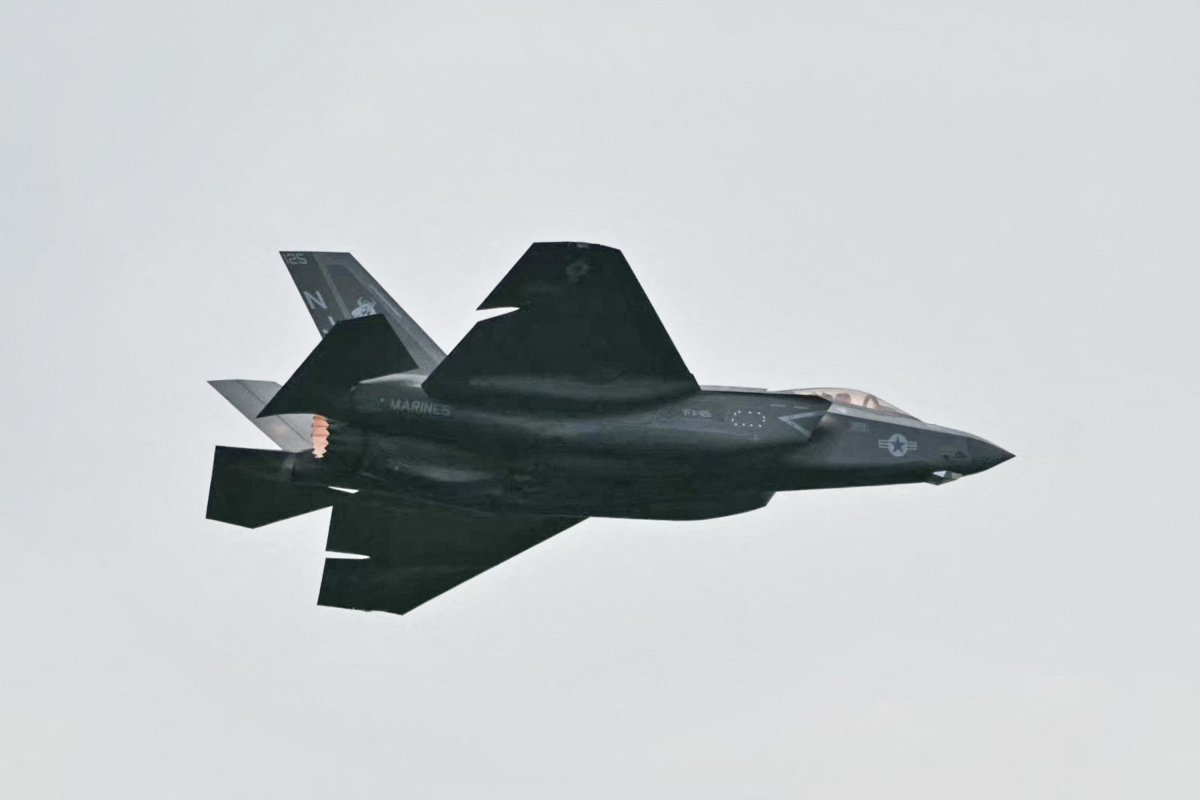
This week Ankara hosted a NATO summit that drew immediate attention across the Middle East, according to Daily Sabah. Turkish officials told reporters that the gathering marked the first U.S. presidential visit to Turkey since 2015. Axios reported that President Trump’s arrival set the stage for a one-on-one meeting with President Erdogan, with discussions expected to cover defense cooperation. The Jerusalem Post noted that the timing coincided with renewed Turkish efforts to regain access to the F-35 program. Analysts view the summit as a potential turning point after years of strained ties, particularly as both leaders seek to project strength amid regional volatility.
Strategic observers emphasize that personal rapport between Trump and Erdogan could influence outcomes more than formal channels. Turkish sources indicated the bilateral session would address long-standing procurement issues, including possible sales of F-35 jets and F-110 engines valued at over $700 million. The Jerusalem Post highlighted that Gulf capitals are monitoring these talks closely due to their own pending F-35 requests. This convergence of diplomacy and arms policy underscores how NATO platforms now serve as venues for bilateral bargaining that extends well beyond alliance defense planning.
Turkish Foreign Ministry Rejects Disinformation Claims
On Tuesday the Turkish Foreign Ministry dismissed Israeli assertions that F-35 deliveries to Ankara would upset regional balance, according to Daily Sabah. Ministry statements described Netanyahu’s remarks as “baseless allegations” forming part of a coordinated disinformation campaign. Turkish officials told reporters that such claims lack technical or strategic foundation and aim to derail legitimate procurement talks. Axios reported that Ankara framed the Israeli position as an attempt to weaponize U.S. congressional debates rather than engage in substantive security dialogue.
The ministry’s swift rebuttal reflects Ankara’s broader strategy of countering narrative pressure through public diplomacy. Analysts note that Turkey’s response also serves domestic audiences by portraying the government as defending national interests against external interference. The Jerusalem Post observed that Israeli officials have intensified lobbying efforts in Washington in recent weeks, prompting Ankara to escalate its own messaging. This exchange illustrates how information operations have become integral to arms-transfer disputes in the Eastern Mediterranean.
Israel’s Concerns Over Qualitative Military Edge
Netanyahu publicly urged the United States to withhold F-35s from Turkey, arguing the sale would erode Israel’s qualitative military edge, the Jerusalem Post noted this week. Israeli doctrine has long treated QME as a cornerstone of national security, requiring consistent technological superiority over regional adversaries. Axios reported that Netanyahu’s statements were calibrated to influence both congressional and executive-branch audiences ahead of the NATO summit. Turkish officials countered that such arguments ignore Turkey’s NATO membership and its contributions to alliance operations.
Regional experts assess that Israel’s lobbying reflects genuine threat perceptions tied to Turkey’s expanding defense industry, including the KAAN stealth fighter program targeting first flight by 2028. Daily Sabah quoted Turkish analysts who argue that Ankara’s acquisition of advanced platforms would enhance collective NATO deterrence rather than threaten any single ally. The tension highlights how bilateral U.S. arms decisions now intersect with intra-alliance rivalries that predate the current summit cycle.
Trump-Erdogan Personal Ties Drive Potential Deal
Earlier this month Trump publicly pledged to make Erdogan “very happy” on the F-35 issue, Axios reported, signaling a willingness to revisit Turkey’s exclusion from the program. The State Department is reportedly working to navigate congressional opposition through administrative channels rather than new legislation. Turkish sources indicated that the package under discussion could encompass both complete aircraft and engines for the indigenous KAAN fighter. The Jerusalem Post noted that personal chemistry between the two leaders has historically bypassed bureaucratic resistance in past U.S.-Turkey defense talks.
Strategic assessments suggest that restoring Turkish access would require careful sequencing to avoid renewed CAATSA complications. Daily Sabah highlighted that Erdogan’s team views the upcoming bilateral meeting as an opportunity to lock in political commitments before technical details are finalized. Observers caution that any deal remains contingent on managing domestic U.S. politics, where Turkey’s S-400 acquisition continues to cast a long shadow over legislative attitudes.
Legacy of the S-400 Dispute and Program Exclusion
Turkey was removed from the F-35 program in 2019 following its purchase of Russian S-400 systems, Daily Sabah recalled this week. CAATSA sanctions were subsequently applied to Turkey’s defense procurement agency, creating lasting friction in bilateral defense relations. Axios reported that seven years of estrangement have complicated efforts to reintegrate Ankara into Western supply chains. Turkish officials told reporters that the current diplomatic opening represents the most serious attempt yet to resolve the impasse.
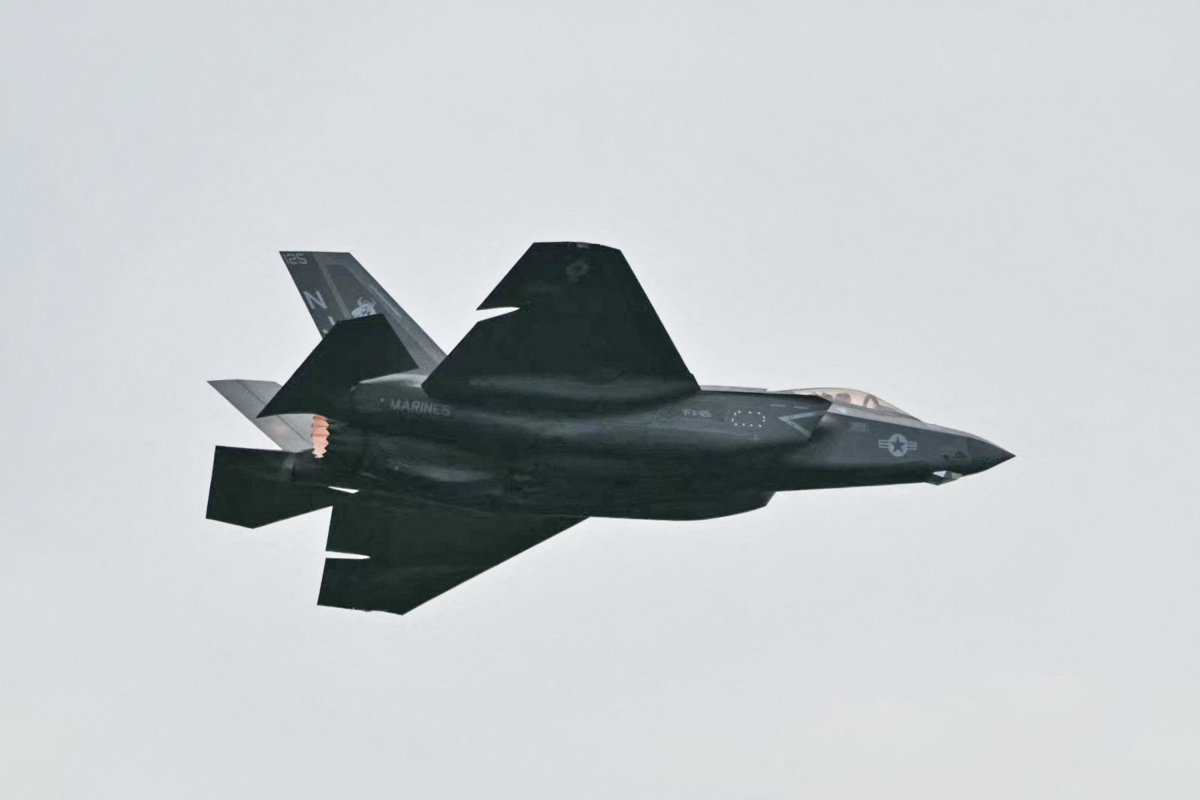
Analysts emphasize that the S-400 episode exposed deeper divergences over alliance autonomy and procurement sovereignty. The Jerusalem Post observed that Israeli officials continue to cite the Russian system as evidence of Ankara’s unreliable alignment. Yet Turkish sources argue that the sanctions regime has accelerated indigenous development, including accelerated timelines for the KAAN fighter. This history shapes the cautious optimism surrounding this week’s talks.
Gulf States and Regional Arms Dynamics
UAE, Saudi Arabia, and Qatar are watching the Trump-Erdogan discussions with particular interest, Axios reported, given their own pending F-35 ambitions. The Abraham Accords framework has already facilitated advanced arms packages for some Gulf states, raising questions about how Turkish re-entry might affect future approvals. Daily Sabah quoted regional diplomats who see Ankara’s potential return as a precedent that could either stabilize or further complicate Gulf procurement requests. The Jerusalem Post noted that Israel has quietly conveyed concerns to Gulf partners about any broadening of Turkish access.
Strategic analysts assess that Gulf capitals prioritize maintaining their qualitative edge while avoiding entanglement in Turkey-Israel frictions. Turkish officials told reporters that Ankara seeks only parity within NATO standards rather than dominance. The interplay between these ambitions and the current summit underscores how F-35 decisions now function as proxies for wider regional influence contests.
Implications for NATO, Russia, and Eastern Mediterranean Stability
A successful F-35 arrangement could recalibrate NATO’s southern flank posture, Daily Sabah analysis suggested this week. Restored Turkish participation might reduce Ankara’s reliance on Russian platforms and ease interoperability concerns within the alliance. Axios reported that European NATO members are monitoring whether the U.S. can deliver a deal without triggering new sanctions cycles. The Jerusalem Post highlighted risks that any perceived weakening of Israel’s edge could prompt compensatory arms requests from other regional actors.
Longer-term implications include potential shifts in Eastern Mediterranean power balances and renewed questions about Russia’s defense footprint in Turkey. Turkish sources indicated that Erdogan views the talks as an opportunity to demonstrate strategic autonomy within NATO rather than outside it. Observers conclude that outcomes from this week’s meetings will influence not only bilateral U.S.-Turkey ties but also the broader architecture of Middle Eastern security for years ahead. By Malik Hassan, Staff Writer
This article was produced with AI-assisted research and editorial support. Reporting is based on sources cited in the article.
What's Your Reaction?
 Like
0
Like
0
 Dislike
0
Dislike
0
 Love
0
Love
0
 Funny
0
Funny
0
 Wow
0
Wow
0
 Sad
0
Sad
0
 Angry
0
Angry
0

Middle East Correspondent at Global1.News. Based in Beirut, covering politics, conflict, energy, and society across the Middle East. Brings context and depth to a region often reduced to headlines.














Comments (0)