
UDISE+ 2025-26: India's Teachers Reach 1.02 Crore in 2025
India's school education sector has recorded a landmark achievement with the total number of teachers reaching 1,02,73,020 in 2025-26, according to the UDISE+ report released by the Union Ministry of Education on July 7, 2026. This figure marks the first time the teaching workforce has crossed the 1 crore threshold, reflecting an 8.3% rise from 94,83,294 teachers in 2022-23. Th
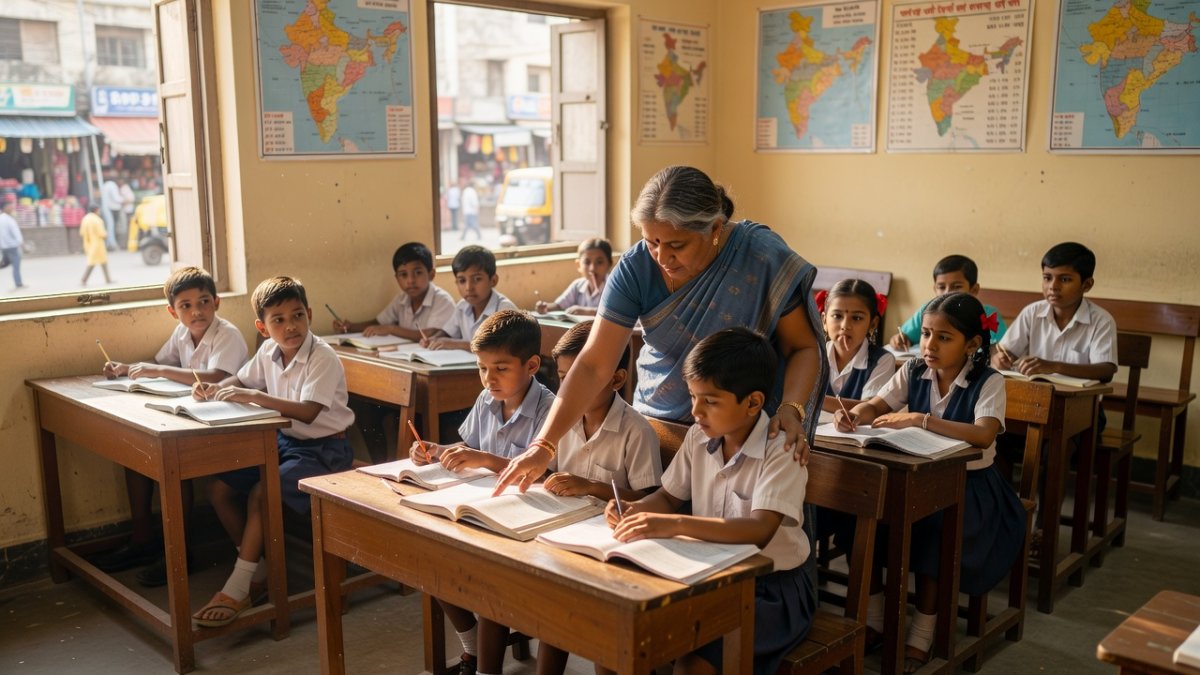
India's school education sector has recorded a landmark achievement with the total number of teachers reaching 1,02,73,020 in 2025-26, according to the UDISE+ report released by the Union Ministry of Education on July 7, 2026. This figure marks the first time the teaching workforce has crossed the 1 crore threshold, reflecting an 8.3% rise from 94,83,294 teachers in 2022-23. The data underscores steady progress under the National Education Policy 2020, even as challenges like single-teacher schools persist.
Teacher Workforce Expands with Greater Gender Balance
The 1,02,73,020 teachers represent a significant expansion, with women now comprising 54.9% of the workforce, up from 54.2% in 2024-25. This shift supports inclusive classrooms and aligns with NEP 2020 goals for equitable staffing. Taxpayers funding these positions through central and state schemes can note improved pupil-teacher ratios across all levels, which remain well below the recommended 30:1 benchmark.
Pupil-Teacher Ratios Signal Strong Foundational Support
At the foundational level, the ratio stands at 10:1, rising modestly to 12:1 at preparatory, 17:1 at middle, and 21:1 at secondary stages. These figures indicate targeted recruitment has eased classroom pressures, benefiting 24.72 crore students across 14.71 lakh schools. Such ratios enhance individualized attention, particularly for girls whose enrolment has reached 48.4% of total students.
Dropout Rates Decline While Retention Improves
Dropout rates have fallen to 1.8% at the preparatory level from 2.3% in 2024-25, and to 7.0% at secondary from 8.2%. Retention at the middle stage reached 83.7%, though secondary retention lags at 51.9%. Transition rates remain robust, with 99.2% moving from foundational to preparatory and 88.3% from middle to secondary, pointing to effective government interventions that reduce wastage for Indian families.
Infrastructure Gains Contrast with Lingering Gaps
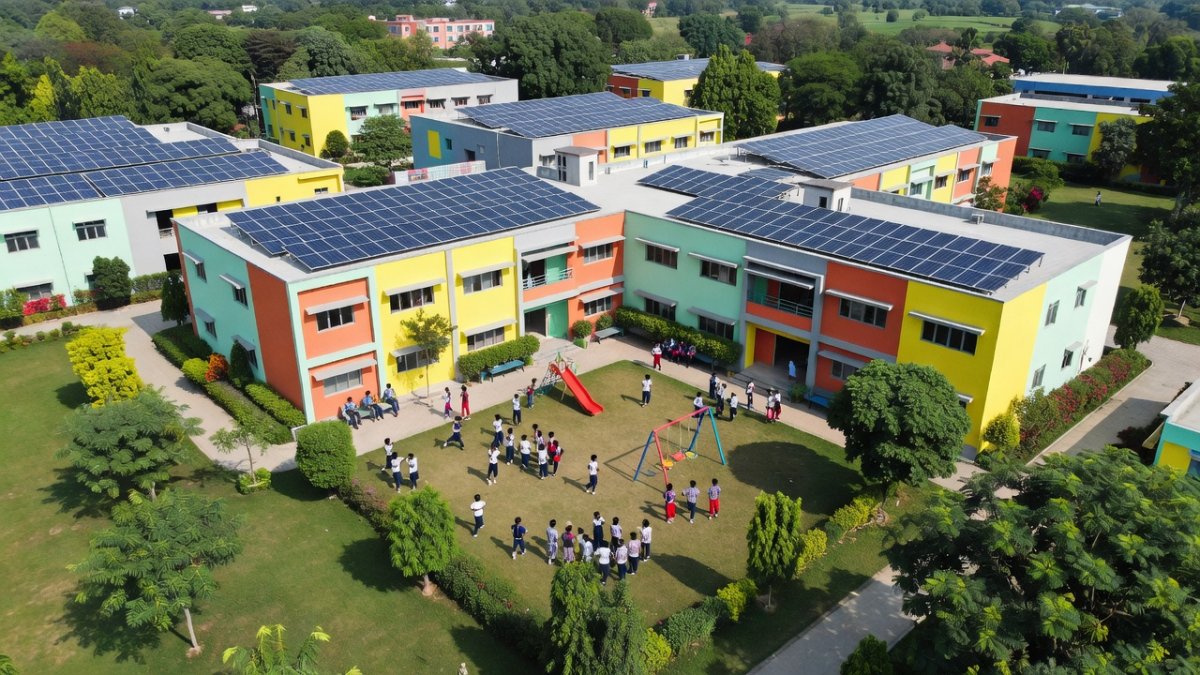
Digital access has advanced, with 69.9% of schools equipped with computers and 67.4% having internet connectivity. Basic facilities show high coverage: 95% have electricity, 99.5% drinking water, 98.5% girls' toilets, and 96.9% handwashing stations. Yet only 58.2% feature ramps with handrails, and 1,00,843 schools still operate with a single teacher, down just 3% year-on-year. Zero-enrolment schools dropped 29% to 5,663.
Broader Implications for NEP 2020 and State Implementation
The Gross Enrolment Ratio at secondary level climbed to 71.7% from 68.5%, signalling policy success in expanding access. For students and teachers, these trends promise better learning outcomes, while state governments must address single-teacher schools to meet NEP targets fully. Overall, the UDISE+ 2025-26 data reflects measurable gains funded by public resources, setting a data-driven path for further reforms.
— By Dr. Raj Patel, Staff WriterThis article was produced with AI-assisted research and editorial support. Reporting is based on sources cited in the article.
What's Your Reaction?
 Like
0
Like
0
 Dislike
0
Dislike
0
 Love
0
Love
0
 Funny
0
Funny
0
 Wow
0
Wow
0
 Sad
0
Sad
0
 Angry
0
Angry
0

India/South Asia Correspondent at Global1.News. Analytical voice with a background in science and health journalism. Based in New Delhi, covering Indian politics, education, healthcare, technology, and policy. Breaks down complex data into clear, actionable reporting.















Comments (0)