
Operation Global Chain: Brazil at the Center of a Historic Human Trafficking Crackdown
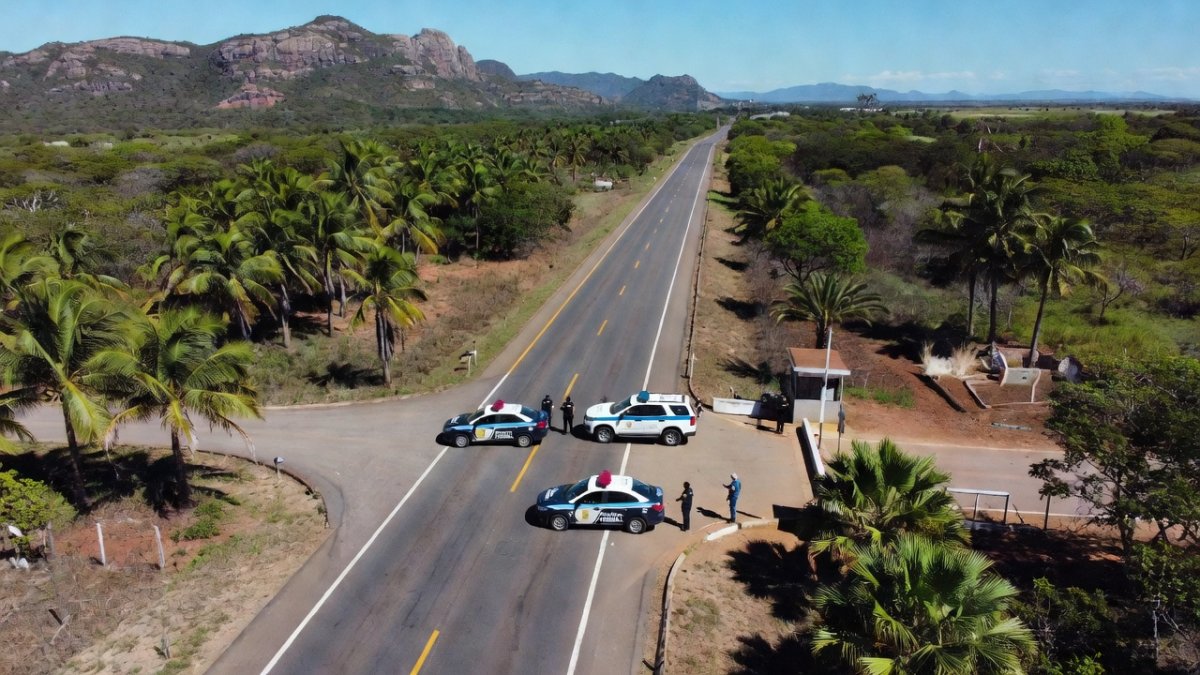
The Scale of Operation Global Chain Brazilian authorities carried out patrols along open-border areas as part of a sweeping international effort that resulted in more than 1,000 arrests across 59 countries. Coordinated by Interpol, Operation Global Chain focused on trafficking for sexual exploitation, forced labour and criminality, and coerced begging. The operation, which took
The Scale of Operation Global Chain
Brazilian authorities carried out patrols along open-border areas as part of a sweeping international effort that resulted in more than 1,000 arrests across 59 countries. Coordinated by Interpol, Operation Global Chain focused on trafficking for sexual exploitation, forced labour and criminality, and coerced begging. The operation, which took place between 8 and 12 June, deployed 40,000 officers throughout Africa, the Americas, Asia and Europe, revealing the vast reach of criminal networks that exploit vulnerable populations.
Of the arrests, 334 were specifically for human trafficking while 690 targeted associated crimes. In total, 2,070 victims or potential victims were identified, the vast majority of whom were women. Most victims were trafficked for sexual exploitation, while 20 percent were forced into criminality, 11 percent into labour and 2 percent into forced begging. These figures underscore the operation's success in disrupting multiple forms of exploitation simultaneously.
Interpol, working alongside Europol and Frontex, noted that the findings exposed evolving trafficking routes and methods. Countries including the UK, the US, France, Germany, Spain, Nigeria, Thailand and Vietnam participated, demonstrating how coordinated action can interrupt criminal flows that cross continents. The results have already led to 465 new investigations and the identification of 201 additional suspects.
Brazil's Pivotal Role in Dismantling Transnational Networks
Brazil's Federal Police identified 406 victims, including 83 Brazilians and 323 foreign nationals, who were part of a transnational network trafficking people to Cambodia for forced online scamming. This discovery highlights Brazil's position as both a source and transit point in global trafficking chains. Interpol notices have been issued for wanted suspects and persons of interest connected to this network.
Patrols along open-border areas allowed Brazilian officers to intercept movements that feed into larger criminal operations. The Federal Police's work directly contributed to dismantling the Cambodia-bound network, showing how local enforcement integrates with international efforts. Such actions protect communities in border regions where economic pressures often push individuals toward risky migration opportunities.
The operation's outcomes in Brazil reflect broader regional challenges where fraudulent recruitment for overseas work preys on those seeking better economic prospects. By targeting these networks, authorities have begun to address the pathways that lead Latin American citizens into exploitation far from home.
Rescues and Victim Identification Across the Americas
Argentinian police rescued two Bolivian child victims who had been forced to work in a grocery store, resulting in arrests that broke a small but significant link in the trafficking chain. These children represent the 10 percent of identified victims who were minors from the Americas subjected to sexual exploitation or forced labour. Their rescue illustrates the operation's focus on protecting the most vulnerable across borders.
In Colombia, authorities launched an airport prevention campaign to raise awareness about the risks of fraudulent job offers abroad. This initiative directly addresses how traffickers use deceptive recruitment to lure victims from Latin American cities into overseas exploitation. The campaign serves as a model for other nations facing similar outflows of people seeking employment.
Across the Americas, the identification of victims has prompted referrals to national protection and support services. These efforts ensure that rescued individuals receive immediate assistance while investigations continue. The concrete actions taken by police in Argentina, Brazil and Colombia demonstrate how regional cooperation can yield tangible rescues and disrupt ongoing criminal activity.
Emerging Trends: Latin American Victims in Europe
The operation uncovered an emerging trend of Latin American victims being trafficked for forced labour in Europe. This shift expands traditional routes and places new pressures on communities in countries like Brazil and Bolivia where economic instability drives migration. Approximately 10 percent of identified victims were minors from the Americas forced into sexual exploitation, revealing how traffickers adapt their methods to target younger populations.
Belgian authorities arrested 17 suspects after dismantling a network that recruited victims via social media and forced them into prostitution rings across Belgium and France. This case shows the growing use of digital platforms to lure underage girls from Latin America into European sex work. The network's exposure highlights the need for vigilance in online spaces where recruitment often begins.
These trends carry direct implications for Latin American economies, where limited job opportunities in rural and border areas make residents susceptible to false promises. The operation's findings provide authorities with clearer intelligence on how routes have evolved, allowing for more targeted prevention in cities and towns across the region.
Coordinated Efforts from Colombia to Belgium
Interpol coordinated the entire operation alongside Europol and Frontex, ensuring that intelligence shared across continents led to simultaneous actions. Brazilian Federal Police efforts in identifying victims destined for Cambodia complemented Belgian arrests and Argentinian rescues. This level of cooperation marks a significant step in addressing trafficking that spans multiple jurisdictions.
Countries from Nigeria to Vietnam joined the 59 nations involved, creating a global net that captured networks operating in diverse regions. The participation of European border agency Frontex proved essential in monitoring movements that connect Latin American source countries with European destinations. Such partnerships strengthen the capacity of individual nations to act against transnational crime.
The operation's structure, with 40,000 officers deployed over five days, allowed for rapid response once networks were identified. Results included the dismantling of both the Cambodia scamming operation and the European sex trafficking ring, proving that sustained international coordination produces measurable disruptions in criminal activity affecting Latin American populations.
The Human Cost and Support for Survivors
Victims identified during Operation Global Chain were referred to national protection and support services, providing pathways to recovery for those rescued from forced labour and sexual exploitation. The 2,070 victims and potential victims represent real individuals whose lives were interrupted by traffickers exploiting economic vulnerabilities in their home communities.
Interpol Secretary Valdecy Urquiza stated that human trafficking remains one of the most profitable and pervasive forms of organised crime, generating billions in illicit revenue each year. He noted the severe and lasting harm to victims and emphasised that the operation's results demonstrate what can be achieved when countries work together to disrupt criminal networks and strengthen cooperation across regions.
Support services now face the task of addressing the specific needs of women and minors from the Americas who were subjected to exploitation. The referrals ensure that survivors receive assistance while 465 investigations proceed, offering hope that more networks will be dismantled and additional victims protected from similar fates.
Implications for Latin American Border Communities and Economies
Open-border areas in South America, where Brazilian authorities conducted patrols, remain critical zones where trafficking networks recruit and transport victims. Economic drivers such as limited employment in border towns push residents toward opportunities that traffickers exploit through fraudulent offers. The operation's findings connect directly to daily life in these communities, where families face difficult choices about migration.
The rescue of Bolivian children in Argentina and the identification of Brazilian victims bound for Cambodia illustrate how trafficking affects entire regions, not just isolated cases. These concrete outcomes highlight the need for stronger local economies and better awareness campaigns, such as the one launched at Colombian airports, to reduce vulnerability in cities and rural areas alike.
By exposing routes that link Latin American source communities with exploitation sites in Europe and Asia, the operation provides valuable intelligence for future prevention. Regional agencies like Brazil's Federal Police can now apply these lessons to protect border populations and support economic development that offers alternatives to risky migration.
The Path Forward Through International Cooperation
The success of Operation Global Chain lies in its demonstration that joint efforts by Interpol, Europol, Frontex and national police forces can dismantle complex networks. With 1,000 arrests and 465 investigations launched, the groundwork has been laid for sustained action against trafficking that continues to harm Latin American citizens.
Future operations can build on the identified trends, including the shift toward forced labour in Europe and the use of social media for recruitment. Brazilian authorities and their counterparts across the Americas are positioned to apply these insights to strengthen patrols and prevention in open-border zones where criminal activity often begins.
Ultimately, the operation underscores the importance of continued collaboration to address the economic and social conditions that enable trafficking. By focusing on victim support and network disruption, countries involved have taken meaningful steps toward reducing the reach of these criminal enterprises throughout the region and beyond.
By Elena Vasquez, Staff WriterThis article was produced with AI-assisted research and editorial support. Reporting is based on sources cited in the article.
What's Your Reaction?
 Like
0
Like
0
 Dislike
0
Dislike
0
 Love
0
Love
0
 Funny
0
Funny
0
 Wow
0
Wow
0
 Sad
0
Sad
0
 Angry
0
Angry
0

Latin America Correspondent at Global1.News. Based in Mexico City, covering politics, economics, energy, and culture across the region. Brings an on-the-ground perspective to stories spanning from the Rio Grande to Patagonia.















Comments (0)