
US-Iran Ceasefire Opens New Diplomatic Horizons Amid...
US-Iran Ceasefire Opens New Diplomatic Horizons Amid Lingering Risks Video Context and Geopolitical Framing of the Ceasefire In a recent CGTN interview hosted by Anand Naidoo, Trita Parsi examined the June 2026 US-Iran ceasefire and the persistent risks of renewed confrontation. The discussion highlighted how the agreement emerged after months of military escalation and centere
Video Context and Geopolitical Framing of the Ceasefire
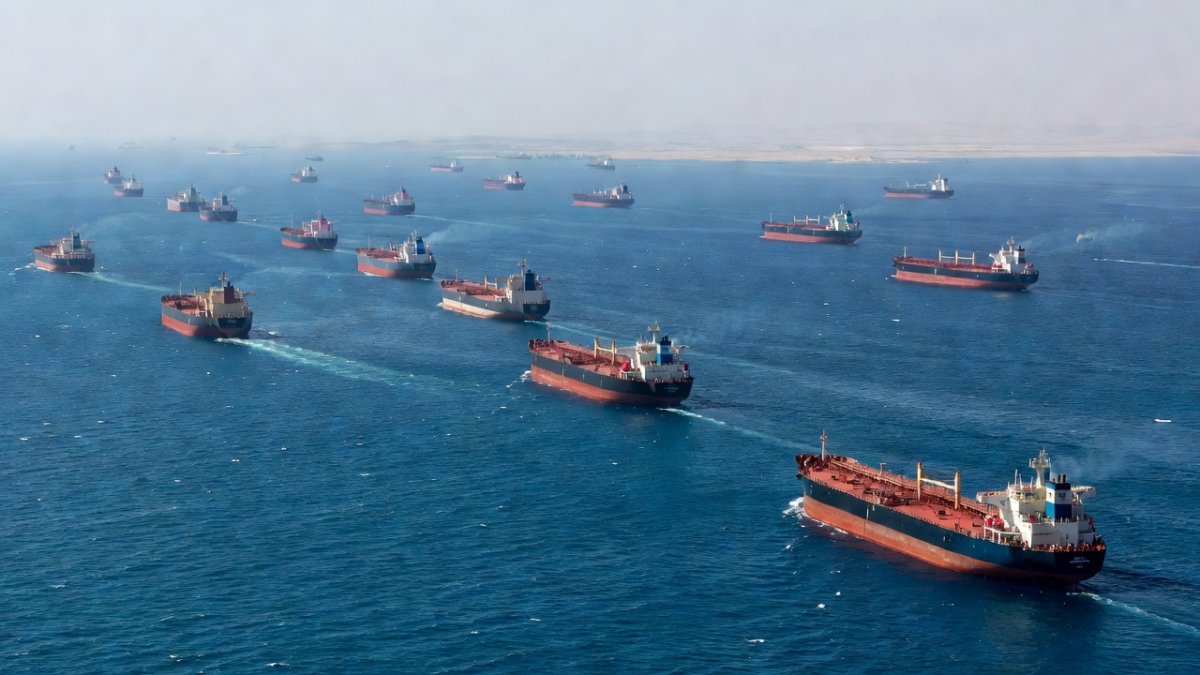
In a recent CGTN interview hosted by Anand Naidoo, Trita Parsi examined the June 2026 US-Iran ceasefire and the persistent risks of renewed confrontation. The discussion highlighted how the agreement emerged after months of military escalation and centered on practical steps such as reopening the Strait of Hormuz. Parsi emphasized that while the deal reduces immediate hostilities, deeper structural issues remain unresolved. This framing situates the ceasefire within broader great-power dynamics where energy routes and nuclear questions intersect with regional stability.
The strategic importance of the ceasefire lies in its potential to recalibrate power balances across the Persian Gulf and beyond. By securing shipping lanes that previously carried one-fifth of global oil and LNG trade, the agreement offers temporary relief to energy-dependent economies. Yet the deferral of nuclear and missile issues creates uncertainty that could invite future leverage plays by multiple actors. Historical patterns from earlier diplomatic efforts show that partial accords often serve as breathing spaces rather than final settlements.
China's position as a major stakeholder adds another layer to this geopolitical picture. Beijing's interest in stable Gulf connectivity aligns with its long-term objectives of technological self-sufficiency and expanded regional influence through infrastructure initiatives. The ceasefire thus tests whether multilateral diplomacy can constrain escalation risks while advancing shared economic priorities.
The 14-Point Framework: What's in it, what's deferred, sanctions relief questions
The reported near-final 14-point interim agreement framework addresses immediate operational concerns while postponing contentious strategic matters. Technical talks concluded in Doha on July 1, 2026, focused primarily on implementation details for resuming Strait of Hormuz shipping. This sequencing reflects a deliberate choice to prioritize de-escalation over comprehensive resolution. Uncertainties around the precise scope of US sanctions relief continue to complicate assessments of the framework's durability.
Deferred elements include Iran's nuclear program and ballistic missile capabilities, which are slated for subsequent negotiations. This structure allows both sides to claim incremental progress without confronting core red lines immediately. Second-order effects may include shifts in domestic political calculations within Iran and the United States, where hardliners could exploit delays to undermine further talks. The framework therefore functions as a holding pattern rather than a transformative breakthrough.
Sanctions relief provisions remain vague, raising questions about enforcement mechanisms and verification timelines. Without clear benchmarks, implementation could stall amid competing bureaucratic priorities on both sides. Such ambiguity mirrors past diplomatic episodes where economic incentives proved difficult to calibrate precisely.
China's Strategic Calculus: Energy security, BRI, multilateral diplomacy, MOFCOM/NDRC stakes
China's largest pre-sanctions role as an importer of Iranian oil positions it to benefit directly from Hormuz reopening under the ceasefire terms. The Ministry of Commerce and National Development and Reform Commission have long tracked Gulf energy flows as critical inputs for domestic industrial planning. Stable access supports the Dual Circulation strategy by reducing vulnerability to external supply shocks. Beijing therefore views the agreement through the lens of energy security rather than ideological alignment.
Belt and Road Initiative projects tied to Persian Gulf connectivity gain renewed momentum from the shipping resumption. Infrastructure investments require predictable maritime routes to deliver returns, and any renewed closure would impose substantial costs on Chinese contractors and financiers. MOFCOM officials have historically advocated pragmatic engagement to protect these assets amid fluctuating regional tensions. This calculus favors incremental diplomacy over dramatic realignments.
Multilateral institution-building remains a secondary but relevant Chinese objective. Participation in frameworks that stabilize trade corridors reinforces Beijing's image as a responsible stakeholder in global governance. Yet the unresolved nuclear dimension limits the extent to which China can claim credit for the current accord, illustrating the constraints on its diplomatic leverage in this theater.
Nuclear Dimension: Verification challenges, deferred negotiations, Parsi's transformative potential thesis
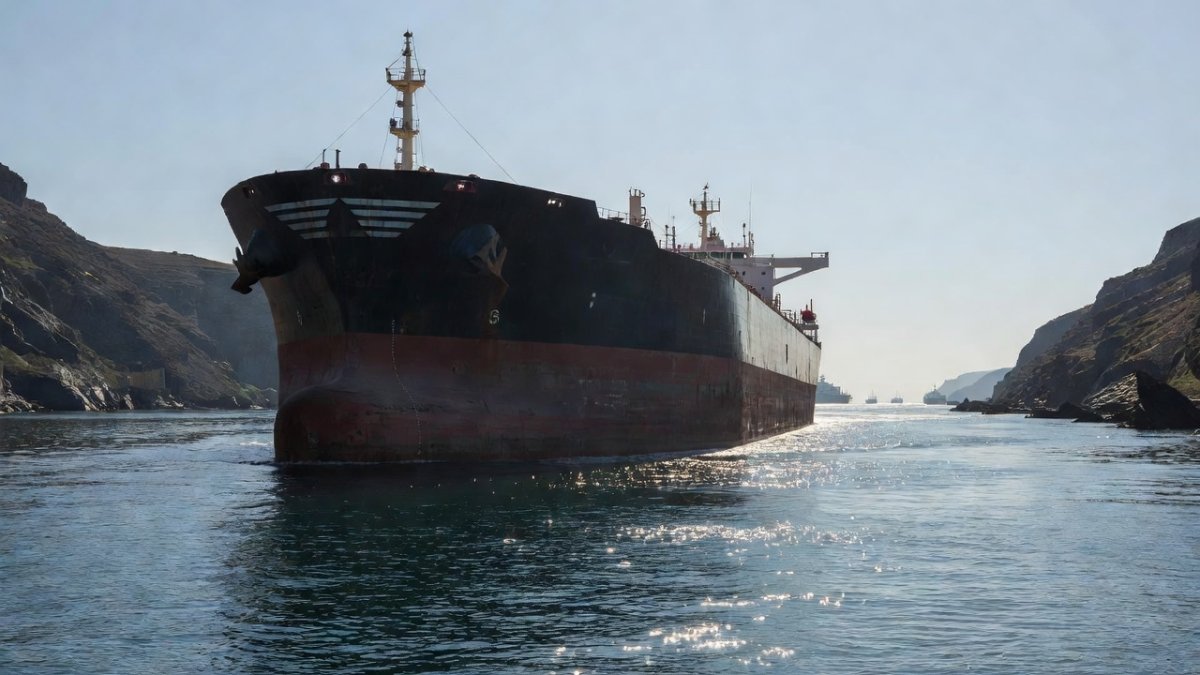
The decision to defer nuclear questions introduces verification challenges that will test future negotiating rounds. Past experiences demonstrate that technical monitoring regimes require sustained access and transparency measures that have proven elusive in prior cycles. Trita Parsi's Quincy Institute analysis titled "Prospects for a Transformative US-Iran Deal," published June 29, 2026, argues that the current framework could evolve into something more substantial if incentives align. This thesis hinges on whether sanctions relief can generate sufficient domestic support within Iran for deeper concessions.
Ballistic missile capabilities add another layer of complexity to deferred talks. These systems intersect with regional deterrence dynamics and are unlikely to be addressed without parallel security guarantees. Parsi's perspective underscores the potential for linkage between economic relief and strategic restraint, yet acknowledges that timelines for such progress remain uncertain. Second-order implications include possible ripple effects on non-proliferation norms across the wider Middle East.
Verification mechanisms will need to address both declared facilities and potential covert pathways. Historical precedents suggest that incomplete monitoring arrangements invite accusations of noncompliance that can derail momentum. The transformative potential therefore depends on whether negotiators can design credible, phased commitments that withstand domestic political pressures on all sides.
Energy Markets Impact: Hormuz reopening effects, supply chains, diversification dynamics
Reopening the Strait of Hormuz directly influences global energy price volatility and supply chain resilience. Markets had priced in elevated risk premiums during the preceding escalation period, and the ceasefire provides a partial reversal of those pressures. Diversification efforts by major importers gain breathing room, though long-term strategies to reduce Gulf dependence continue in parallel. The agreement's durability will determine whether these market adjustments prove temporary or structural.
Supply chain adjustments extend beyond crude oil to include liquefied natural gas flows that support industrial and power generation needs worldwide. Disruptions had forced rerouting and inventory drawdowns that raised costs for downstream sectors. With shipping lanes stabilized, logistics operators can recalibrate schedules and reduce insurance burdens. These operational shifts carry second-order effects on inflation trajectories in energy-importing economies.
Global South nations with limited diversification options stand to gain most from sustained Hormuz access. Their exposure to price spikes amplifies the broader developmental stakes embedded in the ceasefire's success. Energy market participants will monitor implementation closely for signs of backsliding that could reintroduce uncertainty.
Regional Implications: Gulf states, Israel, great-power competition, what to watch
Gulf Arab states face a mixed outlook from the ceasefire, balancing relief over reduced escalation risks against concerns about shifting US engagement priorities. Their strategic calculations involve hedging between American security guarantees and emerging economic ties with Asian powers. Israel, meanwhile, must navigate the implications of deferred nuclear talks while managing its own deterrence posture. These regional actors will shape the diplomatic environment for subsequent negotiation phases.
Great-power competition overlays these local dynamics, with the United States seeking to maintain influence without overcommitment and China prioritizing economic access over political entanglement. The Quincy Institute analysis suggests that a transformative deal could alter these competitive patterns if economic incentives prove sufficiently compelling. Second-order effects may include adjustments in arms procurement and alliance postures across the region.
Key indicators to watch include the pace of technical implementation in Doha follow-up meetings and any signals regarding sanctions relief sequencing. Sustained Hormuz traffic volumes and the initiation of nuclear-focused talks will reveal whether the current framework can evolve beyond its interim character. Observers should also track domestic political reactions in Washington and Tehran for clues about the agreement's resilience.
By Prof. Marcus Chen, Staff WriterThis article was produced with AI-assisted research and editorial support. Reporting is based on sources cited in the article.
What's Your Reaction?
 Like
0
Like
0
 Dislike
0
Dislike
0
 Love
0
Love
0
 Funny
0
Funny
0
 Wow
0
Wow
0
 Sad
0
Sad
0
 Angry
0
Angry
0

World Politics Analyst at Global1.News. Based in Beijing, covering US-China relations, global trade, and geopolitical strategy. Brings deep analytical perspective to the power dynamics shaping international affairs.













Comments (0)