
Russia Confirms Active Talks on Syrian Military Facilities
Russia Confirms Active Talks on Syrian Military Facilities Russia's Foreign Ministry confirmed this week that it is engaged in direct discussions with Syria's new government over the future of its military installations. Foreign Ministry spokeswoman Maria Zakharova stated during the weekly briefing that cooperation with Syrian partners is "developing very actively." The talks e
Russia Confirms Active Talks on Syrian Military Facilities
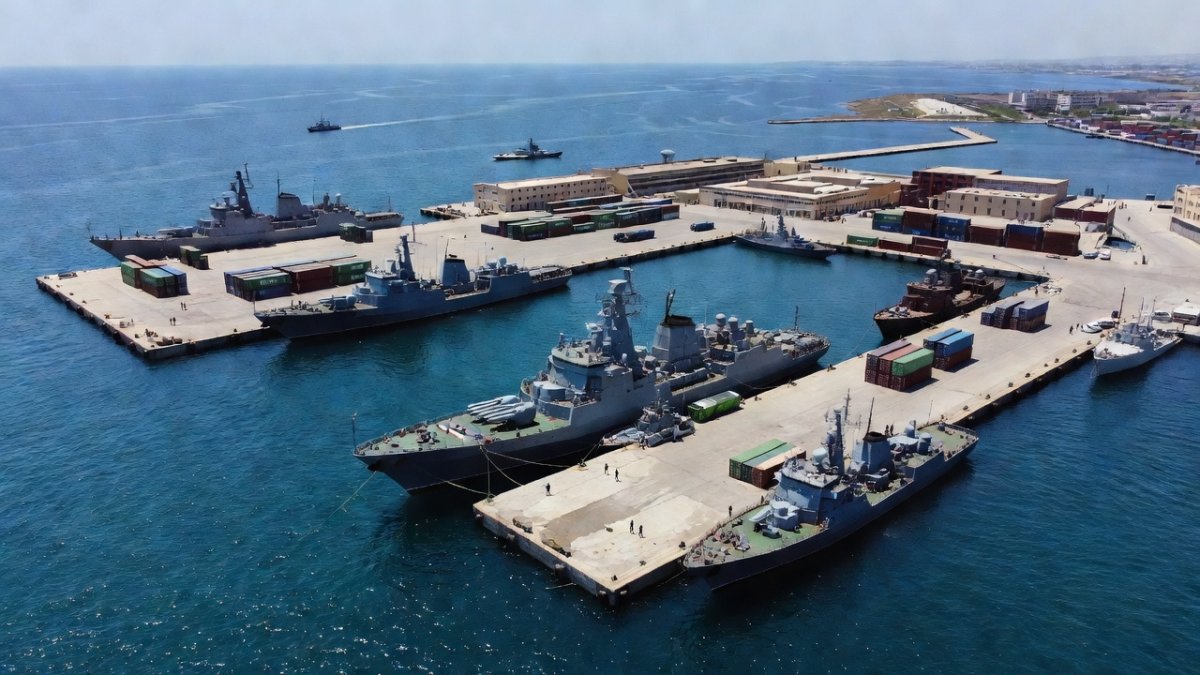
Russia's Foreign Ministry confirmed this week that it is engaged in direct discussions with Syria's new government over the future of its military installations. Foreign Ministry spokeswoman Maria Zakharova stated during the weekly briefing that cooperation with Syrian partners is "developing very actively." The talks explicitly include the status of the Tartus naval base and Hmeimim airbase, both secured under a 49-year lease signed in 2017.
Zakharova emphasized that any changes to the functionality of these facilities fall under the Defense Ministry's authority. She described the process as part of ongoing contacts rather than a unilateral Russian decision. This confirmation comes after the December 2024 ouster of former President Bashar al-Assad, who had granted Moscow long-term basing rights.
President Ahmed al-Sharaa has indicated openness to continued Russian cooperation while simultaneously demanding Assad's extradition from Moscow. The Foreign Ministry's statements position the negotiations as routine diplomatic engagement, yet they occur against a backdrop of shifting power in Damascus. Analysts note that the Kremlin's willingness to discuss reformatting signals recognition of the new Syrian leadership's leverage.
Defining the Scope of Military Base Reformatting
Zakharova described the potential changes as a "possible reformatting" of the functionality of Russian military facilities in Syria. The term remains deliberately broad, encompassing adjustments to operational roles without specifying reductions or expansions. Defense Ministry officials have not yet released detailed parameters, leaving the precise meaning subject to closed-door negotiations.
Under the 2017 agreement, Tartus serves as a naval repair and resupply hub while Hmeimim functions as an air operations center. Reformatting could involve converting Tartus into a logistics node for commercial shipments or limiting Hmeimim's combat aircraft capacity. Such adjustments would require amendments to the existing lease terms.
The Foreign Ministry has attributed all technical details to the Defense Ministry, creating a clear division of responsibility. This approach allows Moscow to maintain diplomatic flexibility while the military assesses operational requirements. Syrian officials have not publicly outlined their preferred configuration, though reports indicate they seek greater oversight of base activities.
Strategic Implications for Russia's Mediterranean Naval Position
Tartus represents Russia's sole naval facility outside the former Soviet Union with direct access to the Mediterranean. Its loss or significant restriction would constrain Moscow's ability to project power into the region and support operations further afield. The Foreign Ministry's acknowledgment of reformatting discussions therefore carries direct consequences for long-term naval planning.
Defense Ministry assessments reportedly examine options for maintaining a reduced presence focused on logistics rather than full combat support. Such a shift would align with broader Kremlin efforts to sustain influence through minimal footprint arrangements. European Union officials have monitored these developments closely, viewing any continued Russian access as a potential challenge to NATO southern flank security.
The United States has expressed concern that even a reconfigured Tartus could facilitate Russian resupply routes. Satellite imagery analyzed by U.S. officials shows ongoing activity at the facility, suggesting Moscow intends to preserve core capabilities. This continuity reflects the Kremlin's strategic prioritization of Mediterranean access despite political changes in Damascus.
Logistics Operations Through Sanctioned Maritime Assets
The Wall Street Journal reported last week that a U.S.-sanctioned Russian cargo vessel resupplied Tartus last month. U.S. officials cited satellite imagery indicating the ship may have carried equipment destined for Hmeimim. These movements demonstrate that Russia continues to sustain its Syrian facilities even as political talks proceed.
Foreign Ministry statements have not addressed the specific cargo shipments. Zakharova instead referred questions about operational logistics to the Defense Ministry. The use of sanctioned vessels highlights the challenges Moscow faces in maintaining supply lines under international restrictions.
Syrian authorities have not confirmed whether they inspected or approved the recent deliveries. The new government in Damascus retains the ability to regulate port access, giving it practical leverage over Russian logistics. This dynamic adds complexity to negotiations over base functionality and future access rights.
Hmeimim Airbase and Its Role in African Operations
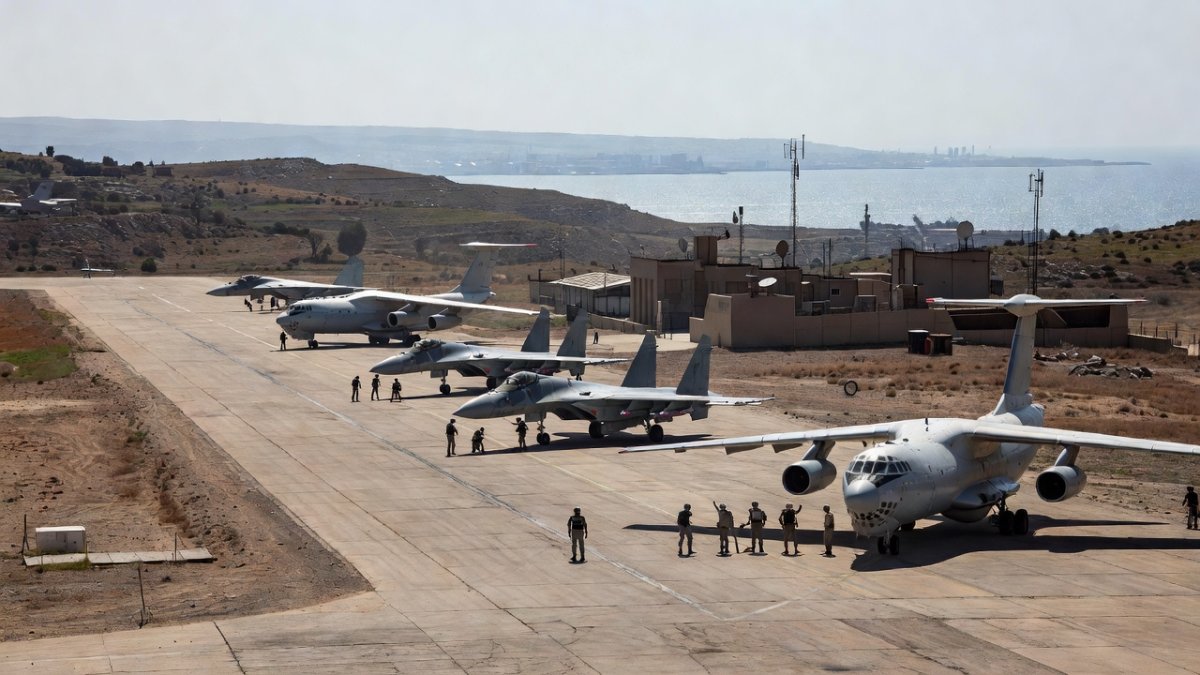
Hmeimim airbase near Latakia has served as a primary staging point for Russian military and security activities across Africa. The facility supports aircraft movements and personnel rotations that extend Kremlin influence into multiple theaters. Any reformatting of Hmeimim would therefore affect operations beyond Syrian territory.
Defense Ministry planning documents have historically linked Hmeimim's capacity to support for partner forces in the Sahel and Central Africa. The base's runway and maintenance infrastructure enable sustained deployments that would otherwise require longer transit routes. Syrian officials are aware of this broader utility and may seek concessions tied to continued access.
Zakharova's comments placed Hmeimim within the wider discussion of military presence reformatting. This framing suggests Moscow recognizes the interconnected nature of its Syrian and African commitments. U.S. and European analysts continue to track aircraft movements from the base as indicators of Russian intentions.
Syria's Negotiating Position and Extradition Demands
President Ahmed al-Sharaa has publicly called for Assad's extradition while signaling readiness to discuss Russian basing rights. This dual approach gives Damascus significant leverage in the current talks. The Foreign Ministry has acknowledged the issue of military presence as part of active bilateral contacts.
Russian officials have not confirmed any direct linkage between base access and the asylum granted to Assad. However, Syrian statements suggest the two issues remain connected in Damascus. The new leadership's willingness to engage on reformatting may depend on Moscow's response to extradition requests.
European diplomats have urged the Syrian government to condition any base agreement on accountability measures. U.S. officials have similarly indicated that continued Russian presence could affect future assistance calculations. These external pressures add another layer to the negotiations already underway between Moscow and Damascus.
Broader Consequences for Kremlin Global Posture
The outcome of the Syrian base talks will influence Russia's ability to maintain overseas military infrastructure. Tartus and Hmeimim have formed key nodes in Moscow's projection of power since 2015. Adjustments to their status could require compensatory measures elsewhere, including expanded use of African facilities.
Defense Ministry officials continue to emphasize operational continuity despite political uncertainty. The Foreign Ministry's public statements frame the discussions as standard diplomatic engagement rather than a crisis response. This calibrated messaging aims to project stability to both domestic and international audiences.
Analysts suggest that successful renegotiation could allow Russia to retain limited access while accommodating Syrian demands for greater sovereignty. Failure to reach agreement might accelerate Moscow's pivot toward alternative Mediterranean or African locations. The coming weeks of talks will clarify which path the Kremlin ultimately pursues.
By Irina Volkov, Staff Writer
This article was produced with AI-assisted research and editorial support. Reporting is based on sources cited in the article.
What's Your Reaction?
 Like
0
Like
0
 Dislike
0
Dislike
0
 Love
0
Love
0
 Funny
0
Funny
0
 Wow
0
Wow
0
 Sad
0
Sad
0
 Angry
0
Angry
0
Russia/Eastern Europe Correspondent at Global1.News. Covering Russian politics, energy, security, and the shifting dynamics of the post-Soviet space. Provides clear-eyed analysis on one of the world's most opaque regions.










Comments (0)