
Trinidad and Venezuela Trade Words Over Shared Gulf Waters
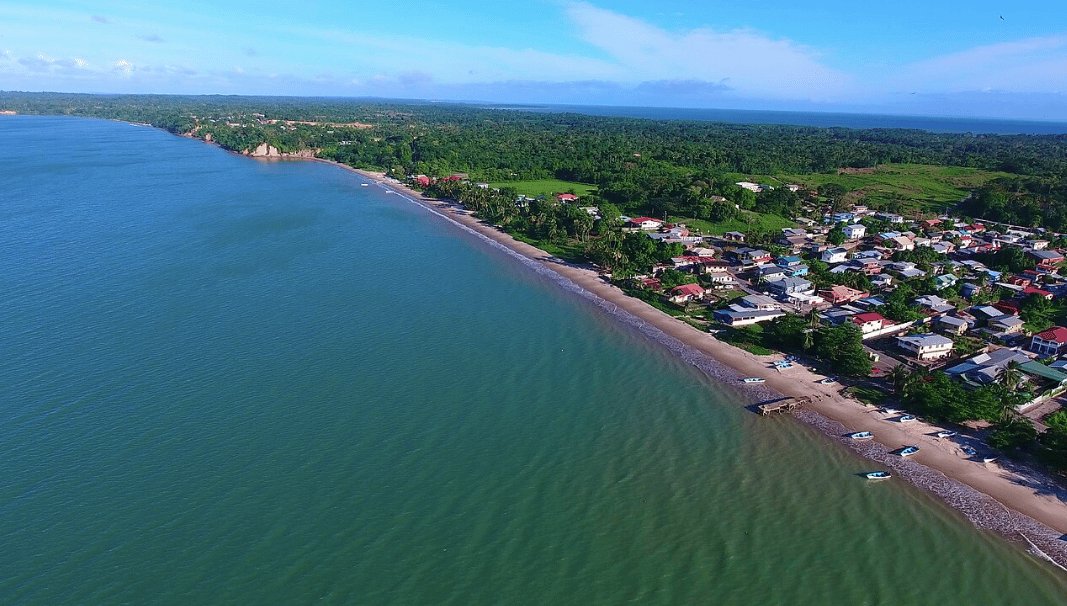
The Spark in the Gulf of Paria Our communities along the western coast have long looked across the Gulf of Paria with a mix of pride and caution. The waters that separate Trinidad and Tobago from Venezuela have supported generations through fishing, trade and now energy work. When news emerged of an oil spill detected on 1 May in Heritage Petroleum's Main Field, many felt that
The Spark in the Gulf of Paria
Our communities along the western coast have long looked across the Gulf of Paria with a mix of pride and caution. The waters that separate Trinidad and Tobago from Venezuela have supported generations through fishing, trade and now energy work. When news emerged of an oil spill detected on 1 May in Heritage Petroleum's Main Field, many felt that familiar worry about what happens when something goes wrong in these shared waters. The spill was stopped the same day it was found, yet the matter has grown into a formal exchange between the two nations.
Port of Spain maintains that the incident involved only ten barrels and was contained quickly. Officials notified the Ministry of Energy and Energy Industries, the Trinidad and Tobago Coast Guard and the Environmental Management Authority right away. Trajectory modelling indicated that untreated hydrocarbons could have crossed the maritime border, so chemical dispersant was applied after proper approval. Drone and vessel checks later confirmed no visible hydrocarbons remained in the area.
Trinidad's Account of a Quick Response
Energy Minister Dr Roodal Moonilal described the event as a minor one that was handled within forty-eight hours. He pointed to ageing pipeline installations left from earlier times as a factor that raises the chance of such leaks. The government has stressed that immediate steps prevented wider harm and that visual inspections showed the response worked as planned. This approach reflects the practical realities of operating in an offshore environment where equipment can fail despite best efforts.
Trinidad and Tobago remains one of the Caribbean's most active oil and gas producers, with extensive offshore extraction that supports jobs and revenue across the country. The quick notifications to multiple agencies show the systems in place for managing incidents. Still, the episode reminds us how closely our energy activities sit beside those of our neighbours, making clear communication essential for everyone who depends on the gulf.
Venezuela Raises Concerns Across the Border
Venezuela's Foreign Minister Yvan Gil held a press conference to call for international compensation. The Venezuelan Foreign Ministry sent a formal letter that highlighted risks to mangroves, wetlands, marine fauna and hydrobiological resources in Sucre and Delta Amacuro states. Caracas views the spill as originating in Trinidadian waters and carrying potential for serious environmental damage to the shared ecosystem of the Gulf of Paria.
The 1990s delimitation treaty between the two countries sets the framework for hydrocarbon exploitation in these waters. Venezuela's request for information and compensation draws directly on that agreement. For communities on both sides who rely on healthy marine life for their livelihoods, any threat to the gulf's balance brings real anxiety about future catches and coastal health.
Political Voices at Home Call for Scrutiny
Former energy minister Stuart Young of the opposition PNM has called for a probe into the matter. He accused Heritage Petroleum and the government of deliberately withholding information and covering up what he described as a major offshore spill. Such statements reflect the lively debate that always surrounds energy issues in Trinidad and Tobago, where the sector touches so many households through employment and national income.
These exchanges show how domestic politics can intersect with regional diplomacy. While the government presents the spill as minor and contained, opposition voices push for greater transparency. Residents in coastal areas often follow these discussions closely because any incident can affect confidence in the industry that provides so many opportunities in our small nation.
Energy Ties That Bind the Region
The Gulf of Paria has long been central to Trinidad and Tobago's energy story. Offshore platforms and pipelines form part of the landscape that many families know through work or family connections. The current dispute brings renewed attention to how infrastructure is maintained and how incidents are reported when they occur near international boundaries.
Regional cooperation through bodies such as CARICOM has helped manage shared concerns in the past, from trade to disaster response. In this case the formal letter from Venezuela tests those channels of communication. Both nations share an interest in keeping the gulf productive and safe, especially as the wider Caribbean works to balance energy needs with environmental care.
Looking Ahead for Coastal Communities
People in Trinidad and Tobago understand that oil and gas work carries risks alongside its benefits. The May incident, though described as small by local officials, has opened a conversation about how quickly information travels between neighbours when something crosses the maritime line. Practical steps such as trajectory modelling and approved dispersant use show the technical side of the response.
At the same time, the formal demands from Caracas remind us that environmental effects do not stop at borders. Families who fish or work in tourism along the coast watch these developments with personal interest. Clear updates from the Ministry of Energy and Energy Industries and continued dialogue with Venezuela will help maintain trust in the systems that protect our shared waters for the next generation.
By Sharon Sahatoo, Staff WriterThis article was produced with AI-assisted research and editorial support. Reporting is based on sources cited in the article.
What's Your Reaction?
 Like
0
Like
0
 Dislike
0
Dislike
0
 Love
0
Love
0
 Funny
0
Funny
0
 Wow
0
Wow
0
 Sad
0
Sad
0
 Angry
0
Angry
0

Caribbean Correspondent at Global1.News. Based in Port of Spain, Trinidad, covering Caribbean politics, economy, energy, climate, and culture. Amplifying the voices and stories of the Caribbean region.











Comments (0)