
Russia's Fuel Crisis Deepens - Export Ban, Drone Strikes, and Economic Fallout
The Fuel Crisis Gripping Russia Right Now Russia's gasoline and diesel shortages have exploded into a full-blown national emergency that shows no signs of easing. What began as seasonal demand spikes has collided with Ukrainian drone strikes on refineries and repeated government export bans, leaving drivers facing empty pumps and sky-high prices. The situation escalated sharply
The Fuel Crisis Gripping Russia Right Now
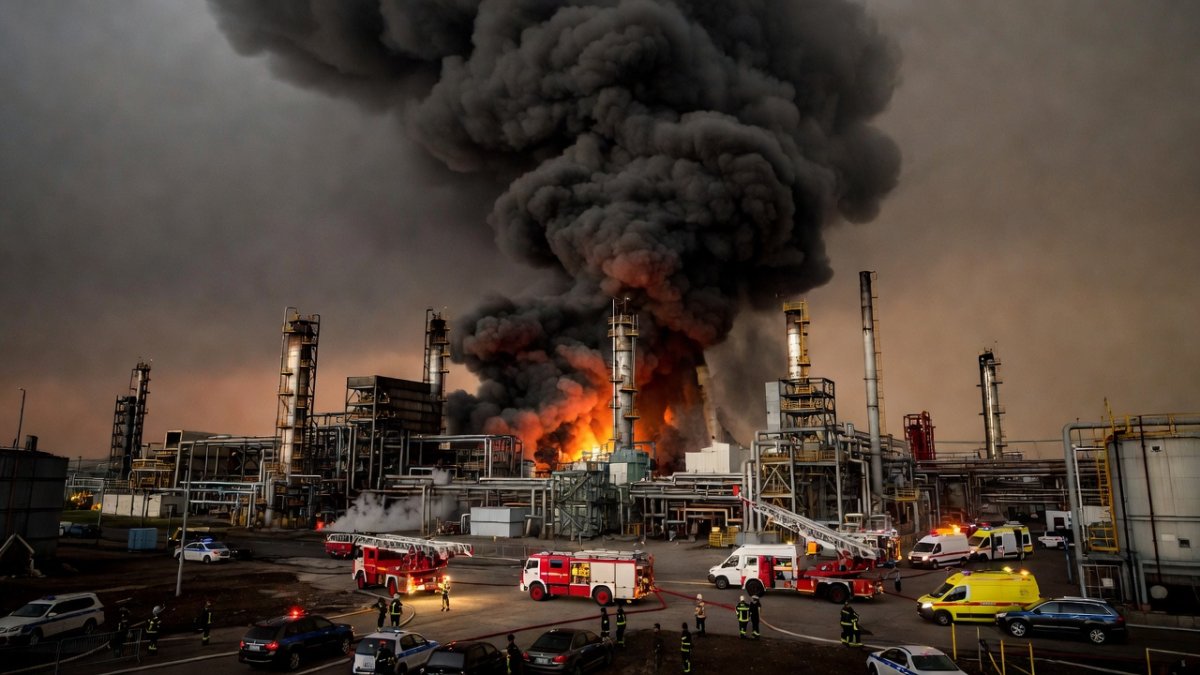
Russia's gasoline and diesel shortages have exploded into a full-blown national emergency that shows no signs of easing. What began as seasonal demand spikes has collided with Ukrainian drone strikes on refineries and repeated government export bans, leaving drivers facing empty pumps and sky-high prices. The situation escalated sharply in mid-June 2026, with thick black smoke visible over Moscow after repeated attacks. This is not some distant policy debate. It directly threatens Russia's ability to keep its own vehicles moving and its economy humming.
Here's the thing: the crisis exposes how vulnerable even a major oil power becomes when domestic supply chains fracture under pressure. Ukrainian strikes have repeatedly targeted key facilities, forcing the Kremlin to scramble for fixes that keep failing. Seasonal summer demand for gasoline and diesel has pushed an already strained system past its breaking point. Drivers in multiple regions report waiting in long lines only to be turned away. The ripple effects reach far beyond Russia, tightening global gasoline supplies at a time when markets were already watching every barrel.
If you're as fired up as I am about energy security, this story matters because it reveals how quickly one country's internal chaos can affect prices at pumps worldwide. The numbers tell the story clearly: Russia exported roughly five million metric tons of gasoline in 2025, equal to about 117,000 barrels per day. Now those flows are being choked off. This is the reality on the ground in June 2026, and it is only getting worse.
The Export Ban That Keeps Getting Extended
Deputy Prime Minister Alexander Novak announced the temporary gasoline export ban on April 1, 2026, originally scheduled to run through July 31, 2026. The measure covered all gasoline shipments in an attempt to protect domestic supplies amid growing shortages at gas stations. Yet the ban has been extended multiple times and now stretches all the way through the end of February 2027. This marks the latest in a series of repeated export restrictions that began back in 2022.
The policy shift means Russia is deliberately cutting off roughly 117,000 barrels per day of gasoline that previously reached international buyers. Officials cite both fuel shortages inside the country and Ukrainian drone attacks on refineries as the driving reasons. Instead of solving the underlying production problems, the government keeps kicking the can down the road with longer bans. That approach signals deeper structural issues that temporary measures cannot fix.
For everyday Russians, the extended ban translates into tighter supplies and higher prices at the pump. For global markets, it removes a significant volume of gasoline from circulation during a period of already elevated demand. The decision to push the cutoff to February 2027 shows the Kremlin expects the crisis to last well into next year. This is not a short-term patch. It is a long-term admission that domestic production cannot meet needs without drastic intervention.
Drone Strikes Shaking the Capital
On June 18, 2026, Ukrainian drones struck a massive oil refinery in the Moscow region for the second time in a single week. Thick black smoke billowed over the capital, visible to residents and captured in multiple videos circulating online. The repeated attacks have damaged critical refining capacity and forced emergency shutdowns at facilities that normally supply large portions of central Russia's fuel needs. These strikes are not isolated incidents. They form part of a sustained campaign targeting Russia's energy infrastructure.
The June 18 assault came just days after earlier hits, demonstrating how vulnerable even well-defended refineries remain to drone technology. Each successful strike reduces Russia's ability to process crude into usable gasoline and diesel, directly feeding the shortages now appearing at stations across the country. The visual of smoke over Moscow serves as a stark reminder that the conflict has reached the heart of Russia's economic engine. Officials have downplayed the damage, but the evidence on the ground tells a different story.
These attacks carry immediate consequences for Russian drivers and businesses that rely on steady fuel deliveries. When refineries go offline, the shortfall must be covered by imports or rationing, both of which are proving difficult. The pattern of strikes shows no sign of stopping, meaning further disruptions are likely. This is the sharp end of the crisis, where military action meets everyday energy needs and leaves ordinary citizens paying the price.
Putin's Rare Admission of Vulnerability
In a June 14, 2026 interview with Deutsche Welle, President Vladimir Putin openly acknowledged that Ukrainian drone strikes are hurting Russia's economy. This admission stands out because it comes directly from the top and confirms what many observers had already concluded from the visible damage and supply disruptions. Putin linked the attacks to broader economic pressure, moving beyond the usual narrative that minimized their impact. The statement arrived just days before the second major refinery strike near Moscow.
By admitting the economic damage, Putin effectively validated concerns that repeated hits on energy infrastructure could create lasting problems for domestic fuel availability. The interview timing suggests the Kremlin recognizes the situation has grown serious enough to require public acknowledgment. It also undercuts earlier claims that the strikes were having negligible effects. This shift in messaging reveals how the combination of drone warfare and export restrictions has forced a more honest assessment.
The admission carries weight for anyone tracking Russia's stability. When the president concedes that attacks are damaging the economy, it signals that the fuel shortages are not temporary inconveniences but structural challenges. It also highlights the limits of Russia's ability to shield its refining sector from modern drone threats. This moment of candor arrived amid mounting evidence that the crisis is deepening rather than resolving.
Rationing Hits Home in Tver
In Russia's Tver region, diesel prices have reached record highs while gasoline shortages have forced some stations to limit sales to just 30 liters per person. These restrictions reflect the acute local impact of the national supply crunch that began intensifying in spring 2026. Drivers report arriving at stations only to find pumps dry or facing strict caps that make normal travel difficult. The 30-liter limit represents a drastic measure that underscores how far the shortages have spread beyond major cities.
Seasonal spikes in demand for both gasoline and diesel have pushed the already strained system deeper into crisis. Tver's experience mirrors problems reported in other regions, where repeated export bans and refinery damage have reduced available fuel. Record diesel prices add another layer of pain for truckers and farmers who depend on affordable fuel to move goods and operate equipment. The combination of high costs and quantity limits creates daily hardships for residents.
This rationing shows the human side of policy decisions made in Moscow. When the government extends export bans through February 2027, regions like Tver bear the immediate consequences through empty shelves and capped purchases. The 30-liter rule is not an abstract statistic. It forces people to choose between essential trips and conserving fuel for later. The situation in Tver illustrates how quickly national-level problems reach ordinary citizens in concrete, painful ways.
Scrambling for Imports from Asia
On June 20, 2026, Russia began urgently seeking gasoline supplies from Asian sources to offset growing domestic shortages. This scramble comes after months of export bans and refinery damage left the country unable to meet its own needs. Officials are now turning to imports at a time when global markets are already tight, reversing Russia's traditional role as a net exporter. The move highlights the severity of the shortfall that started with the April 1, 2026 ban.
Buying from Asia requires navigating higher costs and logistical challenges that Russia previously avoided by relying on its own refining capacity. The June 20 efforts follow the second Moscow-region refinery strike and Putin's June 14 admission of economic damage. Together these events have accelerated the need for external supplies. Seasonal demand increases have only made the import push more urgent.
The shift to Asian imports carries long-term implications for Russia's energy strategy. What was once a reliable export commodity has become a scarce resource requiring emergency purchases. This reversal exposes the limits of domestic production under sustained pressure from drone attacks and policy restrictions. The June 20 scramble is a direct response to a crisis that shows no sign of easing before the extended ban ends in February 2027.
How This Ripples Through Global Markets
Russia's gasoline export ban, now extended through February 2027, is reshaping international gasoline markets by removing roughly 117,000 barrels per day from global supply. The 2025 export volume of five million metric tons represented a meaningful share of traded gasoline, and its absence is tightening availability worldwide. Combined with Ukrainian drone strikes that damaged Russian refineries on June 18 and earlier, the result is reduced output from a major producer at a critical time.
Global buyers are feeling the effects through higher prices and tighter spot markets. The ban that began April 1, 2026, was meant to protect Russian domestic supplies, but it has instead exported the shortage to other countries. Seasonal demand spikes in Russia have only amplified the global impact. Markets that once counted on steady Russian flows must now compete for alternative sources, driving up costs for consumers everywhere.
The price ripple effects extend beyond gasoline into diesel and related products. With the ban locked in until February 2027, traders are adjusting long-term forecasts and seeking new suppliers. This tightening comes at a moment when energy security concerns are already elevated. The crisis that started inside Russia has become a worldwide supply issue that will influence prices and availability for months to come.
What You Can Do About It
The fuel crisis in Russia is not an abstract headline. It is a live demonstration of how quickly energy systems can fracture under combined military, policy, and demand pressures. With the export ban extended through February 2027, drone strikes continuing, and import scrambles underway, the shortages are likely to persist. Global markets will feel the squeeze through higher prices and tighter supplies. Understanding these connections helps readers see the full picture rather than isolated events.
Stay informed by tracking reliable reporting from outlets like Moscow Times, Reuters, and AP that have covered the timeline from the April 1, 2026 ban through the June 2026 strikes and admissions. Monitor local fuel prices and availability in your own region, because the removal of Russian exports affects supply chains far beyond Europe. Support policies that promote diversified energy sources and resilient infrastructure so that one country's crisis does not cascade into widespread shortages.
Advocate for transparency in energy reporting and push for investments in domestic refining capacity where needed. Contact representatives to emphasize the importance of stable fuel supplies for economic security. The facts are clear: repeated export restrictions since 2022, the June 14 Putin admission, the June 18 refinery attack, and the June 20 Asian import efforts all point to a prolonged challenge. Informed action starts with recognizing how these pieces fit together and demanding accountability from leaders who shape energy policy.
By Jessica Ali, Lead National Correspondent — Global 1 News
This article was produced with AI-assisted research and editorial support. Reporting is based on sources cited in the article.
What's Your Reaction?
 Like
0
Like
0
 Dislike
0
Dislike
0
 Love
0
Love
0
 Funny
0
Funny
0
 Wow
0
Wow
0
 Sad
0
Sad
0
 Angry
0
Angry
0

Editor-in-Chief at Global1.News. Atlanta-based journalist who cuts through the BS and tells it like it is. Lead anchor, host, and the voice you hear when the spin stops and the truth starts.












Comments (0)