
Trinidad and Tobago Rejects Venezuelan Oil Spill Claims
Trinidad and Tobago Faces Venezuelan Spill Accusations Venezuelan Claims Meet Trinidad's Firm Denial Venezuela has come forward with a formal demand for information and compensation from Trinidad and Tobago regarding an oil spill reported on May 1. Officials in Caracas insist the incident began in Trinidadian waters and could bring serious environmental harm to the Gulf of Pari
Venezuelan Claims Meet Trinidad's Firm Denial
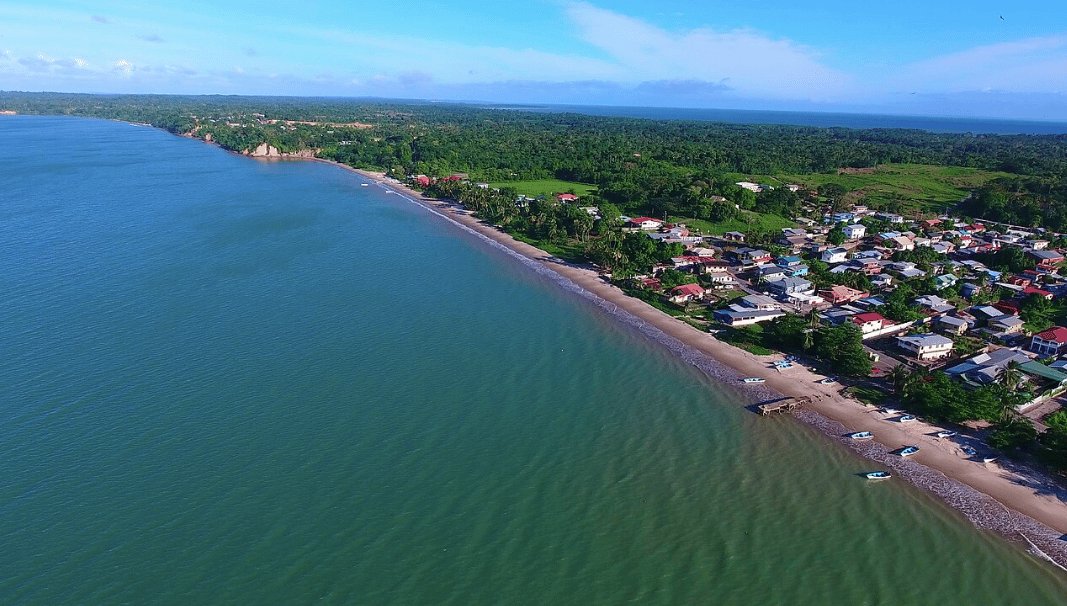
Venezuela has come forward with a formal demand for information and compensation from Trinidad and Tobago regarding an oil spill reported on May 1. Officials in Caracas insist the incident began in Trinidadian waters and could bring serious environmental harm to the Gulf of Paria, a body of water that both nations share. They have called for full details on the source and have raised the possibility of seeking reparations for any damage that might follow.
Port of Spain has responded with a clear and steady denial. Government spokespeople describe the event as a small, contained incident involving just ten barrels that was brought under control almost immediately. They maintain that the spill posed no lasting threat and reject any suggestion that it originated on this side of the border. The tone from Trinidad and Tobago remains firm, emphasising that the claims from Caracas do not match the facts on the ground.
In communities across south Trinidad, people are watching the exchange with quiet concern. Families who have lived by the sea for generations know how quickly rumours can travel, yet they also trust the quick action reported by local authorities. The Ministry of Energy has already stated that monitoring continues and that no further leakage has been detected. This back-and-forth between the two capitals highlights the delicate balance of neighbourly relations, where every word carries weight for those who depend on the shared waters for their daily bread.
Trinidad and Tobago continues to stress transparency and cooperation, inviting any joint verification that might settle the matter once and for all. The response has been measured, avoiding escalation while standing by the assessment that the spill was minor and swiftly handled. As the days pass, the focus remains on facts rather than accusations, a stance that resonates with a population accustomed to navigating complex regional ties with both caution and pride.
The Gulf of Paria at the Heart of a Shared History
The Gulf of Paria has long served as a natural bridge between Trinidad and Tobago and Venezuela, binding the two nations through energy, trade and family connections that stretch back generations. Projects such as Atlantic LNG have drawn on this proximity, creating pathways for gas development that benefit both sides. Petrotrin’s legacy in refining and exploration further illustrates how the waters have supported livelihoods on both coasts, even when political winds shifted.
Joint initiatives in the past have shown that cooperation is possible when mutual respect guides the conversation. Workers in the energy sector recall periods when technical exchanges and shared infrastructure helped steady the regional economy. These ties run deeper than headlines, touching the daily lives of people who cross the waters for work or family visits. The Gulf remains a living reminder that geography often matters more than borders when it comes to survival and progress.
Today, as the recent spill claim surfaces, many in Trinidad and Tobago reflect on this history with a sense of responsibility. The energy sector has provided jobs and revenue that support schools, hospitals and community programmes across the country. Yet the same waters that fuel progress also demand careful stewardship. Conversations in fishing villages and energy towns alike turn to how past partnerships might offer a model for handling present disagreements without losing sight of shared interests.
Atlantic LNG and the broader energy framework continue to symbolise the potential for collaboration, even amid current tensions. Trinidad and Tobago’s position has always been that open dialogue serves everyone better than confrontation. This approach honours the long-standing connections that have helped both nations weather economic ups and downs, keeping the focus on practical solutions that protect the Gulf for future generations.
Environmental Stakes for Fishing Communities
Fishing communities in Cedros and Icacos know the Gulf of Paria as more than a stretch of water; it is their workplace, their market and the source of countless family stories. Mangroves along the coastline act as natural nurseries for fish and crabs, while the marine ecosystem supports livelihoods that have sustained villages for decades. Any threat to these waters touches the heart of daily life in south Trinidad.
Small Island Developing States like Trinidad and Tobago face particular vulnerabilities when it comes to environmental incidents. Rising sea levels and changing weather patterns already place pressure on coastal areas, making the protection of existing ecosystems even more urgent. Fisherfolk speak of the need for clean waters not only for today’s catch but for the children who will one day take over the boats and nets.
The recent Venezuelan claim has prompted renewed calls for careful monitoring of the mangroves and surrounding seas. Community members appreciate the swift containment reported by authorities, yet they also want reassurance that long-term effects will be tracked. Local knowledge passed down through generations often complements official reports, offering insights into subtle changes in water quality or fish behaviour that might otherwise go unnoticed.
Trinidad and Tobago’s government has emphasised that environmental protection remains a priority alongside energy development. In places like Cedros and Icacos, this balance feels personal. Families gather in the evenings to discuss how best to safeguard their heritage while maintaining the economic activities that keep their communities alive. The Gulf’s health is tied directly to their future, and they expect both nations to treat it with the care it deserves.
Energy Sector and the Cost of Living in Trinidad
The energy sector stands at the centre of Trinidad and Tobago’s economy, providing jobs that support households across the country, especially in the southern regions where many families have worked in oil and gas for generations. From technicians at Atlantic LNG facilities to support staff connected to Petrotrin’s history, the industry shapes daily routines and long-term plans for thousands of people.
Household budgets feel the influence of energy prices and sector stability in very direct ways. When revenues flow steadily, communities see improvements in roads, schools and healthcare. When uncertainty arises, the ripple effects reach the cost of groceries, transport and school supplies. People in Trinidad understand this connection intimately, discussing it at markets and family gatherings with a practical wisdom born from experience.
The current diplomatic exchange over the May 1 spill arrives at a time when many are already mindful of living costs. Workers in the energy belt hope that any disagreement with Venezuela will not disrupt ongoing operations or future projects. They value the steady employment that allows them to provide for their families and contribute to the wider community.
Trinidad and Tobago’s approach remains focused on maintaining sector reliability while addressing environmental concerns. Officials have reiterated that the reported spill was minor and contained, helping to ease worries about broader economic fallout. In this context, the energy industry continues to represent both opportunity and responsibility, a source of pride that also requires careful management to keep household costs manageable and communities thriving.
CARICOM, Regional Diplomacy and Cross-Border Relations
CARICOM provides an important platform for addressing matters that cross national boundaries, offering a framework where member states can seek common ground. Trinidad and Tobago’s engagement with Venezuela over the Gulf of Paria claim fits within this tradition of regional dialogue, where differences are aired without severing the ties that bind Caribbean nations together.
Cooperation across the region has helped manage shared challenges in the past, from trade to disaster response. Neighbouring countries watch the current situation with interest, recognising that outcomes here could influence how similar issues are handled elsewhere. The emphasis on facts and measured responses from Port of Spain aligns with the steady diplomacy that CARICOM encourages among its members.
Cross-border relations between Trinidad and Tobago and Venezuela carry both promise and complexity. Family connections, cultural exchanges and economic links create a web of interdependence that benefits from calm communication. When tensions surface, the regional body can serve as a helpful channel for clarifying positions and exploring solutions that respect each nation’s sovereignty.
Trinidad and Tobago continues to advocate for transparency and joint efforts where possible, values that resonate with the wider Caribbean community. This approach strengthens the collective voice of small nations facing similar pressures, ensuring that disputes do not overshadow the many areas where collaboration already delivers results for ordinary people across the region.
What Happens Next: Monitoring and Transparency
Looking ahead, the call for data sharing between Trinidad and Tobago and Venezuela stands out as a practical next step. Communities along the coast expect clear updates on water quality and any follow-up assessments, trusting that both governments will keep residents informed rather than leaving them to speculate. Transparency builds confidence, especially when livelihoods depend on the health of the Gulf of Paria.
Government reassurances have already highlighted the quick containment of the ten-barrel spill and the absence of further incidents. Local authorities continue monitoring, and residents in fishing areas appreciate this steady attention. They also hope that any future cooperation with Caracas will include independent verification to settle questions once and for all.
The way forward involves balancing energy interests with environmental care, a task that requires ongoing vigilance. Community voices remind officials that real people feel the effects of decisions made in capital cities, and they want their concerns heard in the conversation. Regular reports and open channels can help maintain trust during this period of diplomatic exchange.
Trinidad and Tobago remains committed to protecting its waters while engaging neighbours constructively. As monitoring continues and discussions evolve, the focus stays on facts, community well-being and the shared responsibility for the Gulf that has sustained both nations for so long. This measured path offers the best chance for resolution that honours the people who call these shores home. By Sharon Sahatoo, Staff Writer
This article was produced with AI-assisted research and editorial support. Reporting is based on sources cited in the article.
What's Your Reaction?
 Like
0
Like
0
 Dislike
0
Dislike
0
 Love
0
Love
0
 Funny
0
Funny
0
 Wow
0
Wow
0
 Sad
0
Sad
0
 Angry
0
Angry
0

Caribbean Correspondent at Global1.News. Based in Port of Spain, Trinidad, covering Caribbean politics, economy, energy, climate, and culture. Amplifying the voices and stories of the Caribbean region.









Comments (0)