
The Tnuva Warehouse Crisis: Foreign Technicians Refuse to Come to Israel
<h2>The Tnuva Warehouse Crisis Unfolds</h2> <p>Tnuva, Israel's largest dairy producer and a fixture in households from Tel Aviv to Jerusalem, faces a prolonged logistics failure that has left popular products like cottage cheese and white cheese missing from supermarket shelves. The issue stems from a computer glitch in the company's automated warehouse systems, which has trapped finished goods inside high-tech storage facilities for several weeks. Production at the Alon Tavor dairy plant in the

The Tnuva Warehouse Crisis Unfolds
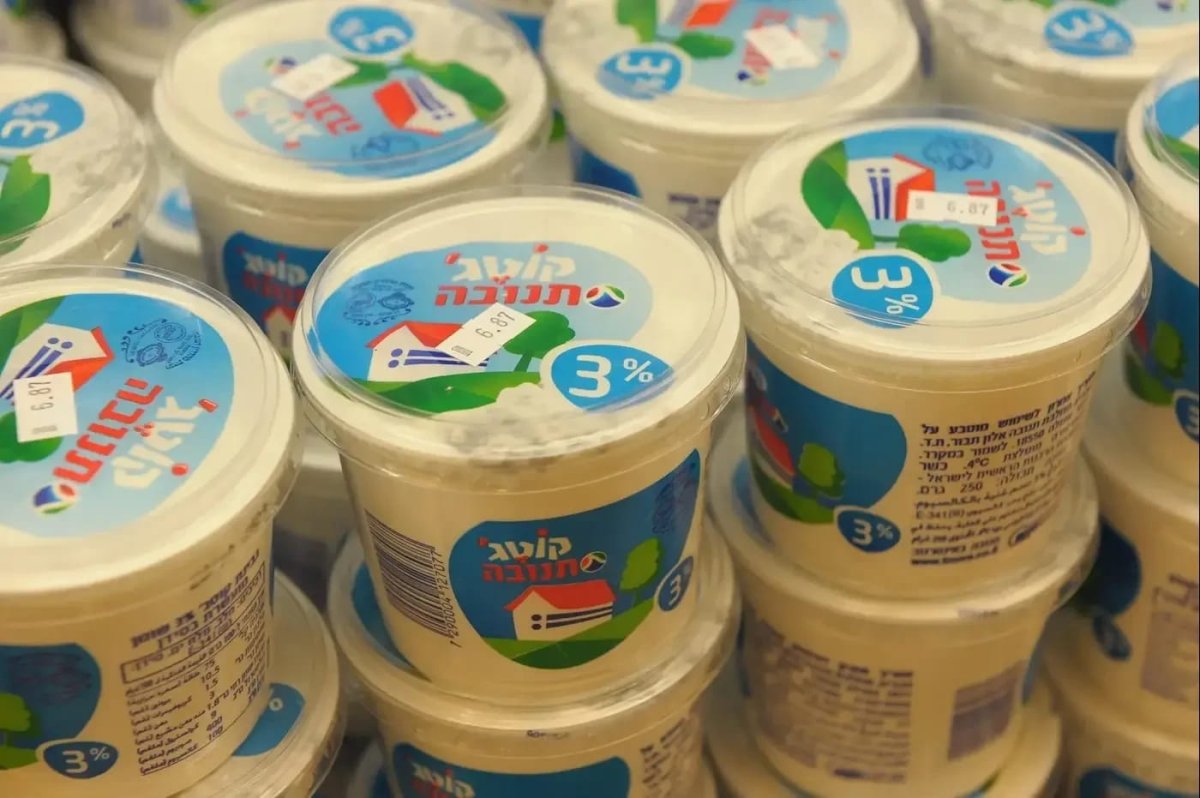
Tnuva, Israel's largest dairy producer and a fixture in households from Tel Aviv to Jerusalem, faces a prolonged logistics failure that has left popular products like cottage cheese and white cheese missing from supermarket shelves. The issue stems from a computer glitch in the company's automated warehouse systems, which has trapped finished goods inside high-tech storage facilities for several weeks. Production at the Alon Tavor dairy plant in the Lower Galilee and other sites continues without interruption, yet the inability to retrieve and ship items has created widespread shortages during peak summer demand and the holiday season.
Automation Meets Reality at Alon Tavor
The Alon Tavor facility represents Tnuva's heavy investment in automated logistics, designed to handle high volumes of dairy staples efficiently. When the warehouse control software malfunctioned, containers became inaccessible to the robotic retrieval systems. Manual workarounds have proven limited because the facilities were built for minimal human intervention. As a result, fresh dairy products remain stacked inside the warehouses while stores across the country report empty sections for basic items that Israelis rely on daily.
This situation highlights how dependent the national food supply has become on complex technology. Tnuva supplies a significant share of Israel's cottage cheese, yogurts, and cheeses, making any disruption immediately noticeable in family kitchens and school lunches from the Negev to the Galilee.
Security Concerns Halt Technical Support
The warehouse software is managed by a foreign company whose technicians have declined to travel to Israel amid current regional tensions. Without on-site expertise, Tnuva's own engineers have struggled to restore full functionality to the retrieval systems. The decision by the foreign firm reflects the broader security environment, where airlines and service providers sometimes restrict movements to the country.
This development shows how security realities extend beyond military or diplomatic spheres into everyday supply chains. Israelis have long adapted to such indirect effects, yet the Tnuva case demonstrates a direct link between regional tensions and the availability of staple foods in Tel Aviv supermarkets or Jerusalem grocery stores.
Shortages Hit Israeli Households
Retail chains including Shufersal and Rami Levy have documented reduced stock of Tnuva cottage cheese and similar products on shelves nationwide. Consumers report traveling between stores or settling for alternative brands, though many smaller or regional dairies lack the capacity to fill the gap quickly. Demand remains elevated during the warm summer months when dairy consumption traditionally rises, compounding the pressure on remaining inventory.
Families in central Israel and peripheral communities alike feel the pinch. Cottage cheese in particular serves as an affordable protein source for many households, and its absence forces adjustments in meal planning that were not anticipated just weeks earlier.
Retail Chains and Consumer Responses
Supermarket operators have adjusted ordering patterns and increased communications with other suppliers to mitigate the shortfall. Some chains have placed limits on purchases of remaining Tnuva items to prevent hoarding. Consumer behavior has shifted toward greater price sensitivity and brand flexibility, with noticeable upticks in sales of competing dairy lines where available.
Business analysts note that prolonged shortages could influence negotiations between Tnuva and retailers over future contracts. The episode also raises questions about the resilience of highly automated food distribution networks when external factors intervene.
Looking Ahead: Lessons for Israel's Food Supply Chain
Officials at the Ministry of Agriculture and the Israel Dairy Board have begun reviewing the incident to assess whether additional domestic technical capabilities or diversified software providers could reduce similar vulnerabilities. Tnuva continues to explore internal solutions while production lines at Alon Tavor maintain output in anticipation of restored warehouse access.
The crisis underscores the intersection of technology dependence, security conditions, and daily life in Israel. As the company works to resolve the glitch, the episode serves as a reminder that even routine consumer goods can be affected by factors far beyond the factory floor.
By Hannah Berg, Staff WriterWhat's Your Reaction?
 Like
0
Like
0
 Dislike
0
Dislike
0
 Love
0
Love
0
 Funny
0
Funny
0
 Wow
0
Wow
0
 Sad
0
Sad
0
 Angry
0
Angry
0














Comments (0)