
Israel's Billion-Shekel Pre-Army Prep Industry for IDF Youth
<h2>Section 1: The Growing Industry Behind IDF Preparation</h2> <p>The pre-army preparation sector in Israel has expanded rapidly into a billion-shekel industry, driven by intense competition for desirable IDF roles. Families across the country invest heavily in programs focused on the DAPAR cognitive test, combat fitness regimens, and interview coaching sessions. These services operate near the Tel Hashomer induction center, where thousands of recruits undergo initial assessments each month. Co

Section 1: The Growing Industry Behind IDF Preparation
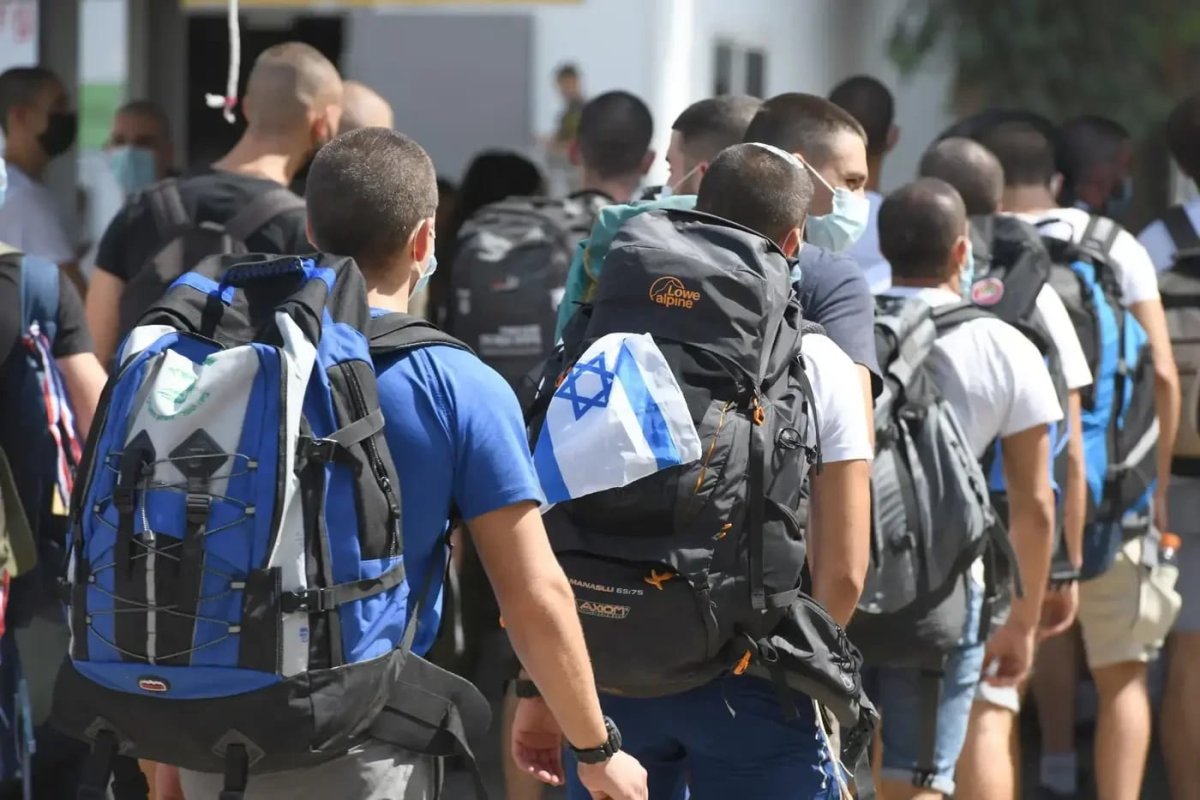
The pre-army preparation sector in Israel has expanded rapidly into a billion-shekel industry, driven by intense competition for desirable IDF roles. Families across the country invest heavily in programs focused on the DAPAR cognitive test, combat fitness regimens, and interview coaching sessions. These services operate near the Tel Hashomer induction center, where thousands of recruits undergo initial assessments each month. Companies offering structured courses report substantial revenues as parents seek every possible edge for their children entering mandatory service. This commercial activity reflects broader pressures within Israeli society, where military placement influences future education opportunities and career paths in a nation facing persistent regional security challenges.
IDF calls on you, prepare your wallet. Enlisting at Tel Hashomer (photo credit: REUVEN CASTRO)
Israeli families often allocate significant portions of their budgets to these preparatory offerings despite economic strains. In cities like Tel Aviv and Haifa, middle-class households juggle multiple providers to cover cognitive drills, physical conditioning, and personal guidance. The costs accumulate quickly, forcing some parents to delay home improvements or reduce leisure activities. Meanwhile, the industry continues to grow as word spreads through community networks about successful placements in elite units. This dynamic highlights how national service intersects with daily economic realities for conscripts and their supporters throughout the country.
Operators in this field market their programs as essential tools for navigating the IDF's selection processes. Sessions take place in dedicated facilities around central Israel, drawing participants from diverse backgrounds. The emphasis remains on measurable improvements in test performance and physical readiness ahead of induction dates. As demand rises, new entrants join established firms, intensifying competition within the market. Families view these expenditures as investments in their children's immediate military experience and long-term prospects in a society where IDF service carries substantial weight.
Section 2: DAPAR Testing and the Coaching Economy
The DAPAR test evaluates cognitive abilities critical for technical and command positions within the Israel Defense Forces. It assesses problem-solving speed, verbal reasoning, and spatial awareness through timed exercises administered at induction centers such as Tel Hashomer. Private coaching programs prepare candidates by simulating these conditions over several weeks. Courses typically range from 2,000 to 5,000 shekels, providing practice materials and instructor feedback tailored to individual weaknesses. This preparation creates measurable differences in scores between participants and those relying solely on school-based exposure.
Families able to afford these programs gain advantages in unit assignments that lead to specialized training tracks. In practice, higher DAPAR results open doors to roles involving advanced technology or intelligence work, which carry benefits during and after service. The coaching economy thrives on this reality, with providers advertising success rates tied to specific percentile improvements. Participants from well-resourced households in central areas often outperform peers from other regions on the standardized assessments.
Critics note that the test itself remains unchanged while access to preparatory resources varies widely. Sessions occur in evening and weekend formats to accommodate school schedules, yet the financial barrier limits participation. Israeli parents discuss these options at community gatherings, weighing the potential returns against household priorities. The resulting disparities affect not only initial placements but also subsequent opportunities within the military structure.
Section 3: Combat Fitness Preparation — A Separate Industry
Physical training programs for elite combat units operate independently from cognitive coaching. These regimens focus on endurance runs, obstacle navigation, and strength development required for units such as paratroopers or reconnaissance teams. Participants commit to multiple weekly sessions over several months, often at specialized gyms near Beersheba or training fields outside Haifa. Monthly fees add several thousand shekels to family expenses, alongside equipment purchases and transportation costs. The time investment demands adjustments to academic and work schedules for both recruits and supporting parents.
Those unable to access private facilities depend on basic state-run preparation offered through schools or local youth movements. This gap becomes evident during tryouts, where candidates with prior conditioning demonstrate superior performance in demanding drills. The industry capitalizes on parental concerns about unit prestige and the physical standards expected in frontline roles amid ongoing regional tensions. Trainers emphasize progressive overload techniques adapted from professional athletic models.
Regional differences influence participation rates, with programs concentrated in the center drawing more clients than those in peripheral zones. Families in development towns frequently cite logistical hurdles when considering extended commitments. The physical preparation sector thus reinforces existing patterns of access tied to location and resources within Israeli society.
Section 4: The Socioeconomic Divide
Pre-army preparation costs disproportionately affect communities outside Israel's central corridor. Households in Tel Aviv's northern neighborhoods routinely budget for multiple courses, while families in Beersheba or development towns weigh similar expenses against limited incomes. This divide influences initial IDF placements, with better-prepared candidates from affluent areas securing positions that offer advanced training and post-service benefits. The pattern extends to long-term career trajectories in both military and civilian sectors.
Periphery residents often rely on free or low-cost municipal programs that provide less intensive support. In Haifa suburbs and southern towns, parents report difficult choices between preparation fees and essential household needs. These decisions shape the composition of elite units and technical brigades, where socioeconomic background correlates with entry rates. The resulting imbalances prompt ongoing discussions about fairness in the conscription system.
Urban centers benefit from proximity to established providers, reducing travel burdens for participants. In contrast, those traveling from outlying areas face additional expenses and time losses. This geographic disparity compounds financial ones, affecting how different segments of Israeli youth experience their mandatory service period.
Section 5: Policy Debates in Jerusalem
Knesset committees in Jerusalem have examined proposals to regulate the pre-army preparation market. Lawmakers debate measures aimed at increasing transparency around course outcomes and limiting aggressive marketing practices. Proponents argue that such steps would promote equal opportunity during conscription, ensuring that placement decisions reflect ability rather than purchased advantages. Sessions feature testimony from education officials and military representatives addressing access issues across regions.
The IDF maintains a neutral position on private courses, stating that all recruits receive standardized evaluations regardless of prior preparation. However, internal reviews acknowledge performance variations linked to external training. Discussions in the Knesset explore options for expanded public resources to narrow gaps between central and peripheral communities. These debates occur against the backdrop of broader conscription policy reviews.
Advocates for reform emphasize the need for oversight without restricting family choices. Committee members reference data on unit compositions when considering legislative options. The conversations reflect tensions between individual initiative and collective equity in Israel's national service framework.
Section 6: Regional Security Context
The quality of incoming soldiers directly influences Israel's defense posture amid multiple ongoing threats. Well-prepared recruits contribute to operational effectiveness in units handling border security and technological systems. Maintaining consistent standards across socioeconomic groups supports overall force readiness in a region marked by instability. The IDF relies on diverse personnel to sustain high performance levels in varied operational environments.
Disparities in preparation can affect unit cohesion and capability distribution. Officials stress the importance of drawing talent from all parts of society, including development towns and northern communities. This approach aligns with strategic needs for resilient forces capable of responding to challenges from multiple directions. Investment in equitable preparation supports these objectives.
Security considerations extend to long-term personnel retention and specialized skill development. Balanced access to preparatory resources helps ensure that placement processes identify capable individuals irrespective of background. The connection between domestic preparation trends and national defense requirements remains a consistent theme in policy analysis.
Section 7: What This Means for Israeli Families Today
Parents across Israel navigate complex decisions when funding pre-army preparation for their children. In Tel Aviv households, multiple income streams may cover course fees, while families in Beersheba adjust work hours or seek community support. These choices involve tradeoffs such as reduced savings for higher education or postponed family milestones. Consumer advocacy groups recommend comparing provider credentials and seeking transparent outcome data before committing funds.
Real-life accounts describe the emotional weight of these investments alongside financial ones. Mothers and fathers coordinate schedules to accommodate training sessions while maintaining household routines. Groups focused on family welfare suggest exploring subsidized municipal alternatives where available. The cumulative effect influences family dynamics during the months leading to induction.
Recommendations from advocacy organizations include greater public information on free preparation options and potential subsidies for lower-income households. Parents weigh these suggestions against personal assessments of their child's specific needs and ambitions within the IDF structure.
Section 8: Conclusion
Reform efforts in the pre-army preparation sector could address equity concerns while preserving family autonomy. Expanded public programs in peripheral areas such as the south and north would help level access to cognitive and physical training resources. Broader implications touch on social cohesion and the perceived fairness of national service obligations.
Israeli society continues to balance individual initiative with collective needs in defense matters. Sustained attention to these preparation dynamics supports both military effectiveness and domestic unity over time.
By Hannah Berg, Staff WriterWhat's Your Reaction?
 Like
0
Like
0
 Dislike
0
Dislike
0
 Love
0
Love
0
 Funny
0
Funny
0
 Wow
0
Wow
0
 Sad
0
Sad
0
 Angry
0
Angry
0









Comments (0)