
The Billion-Shekel Industry on the Backs of Pre-Army Youth: How IDF Service Became a Financial Burden on Israeli Families
The Erosion of the People's Army Ideal In recent years the longstanding Israeli principle of a people's army has quietly shifted toward a privatized system that places financial demands on families long before induction. Pre-army youth in cities such as Tel Aviv, Haifa, and Beersheba now navigate a competitive market where every preparatory step carries a price tag. Parents who once viewed service as a shared national duty find themselves funding advantages for their children in a system that ra

The Erosion of the People's Army Ideal
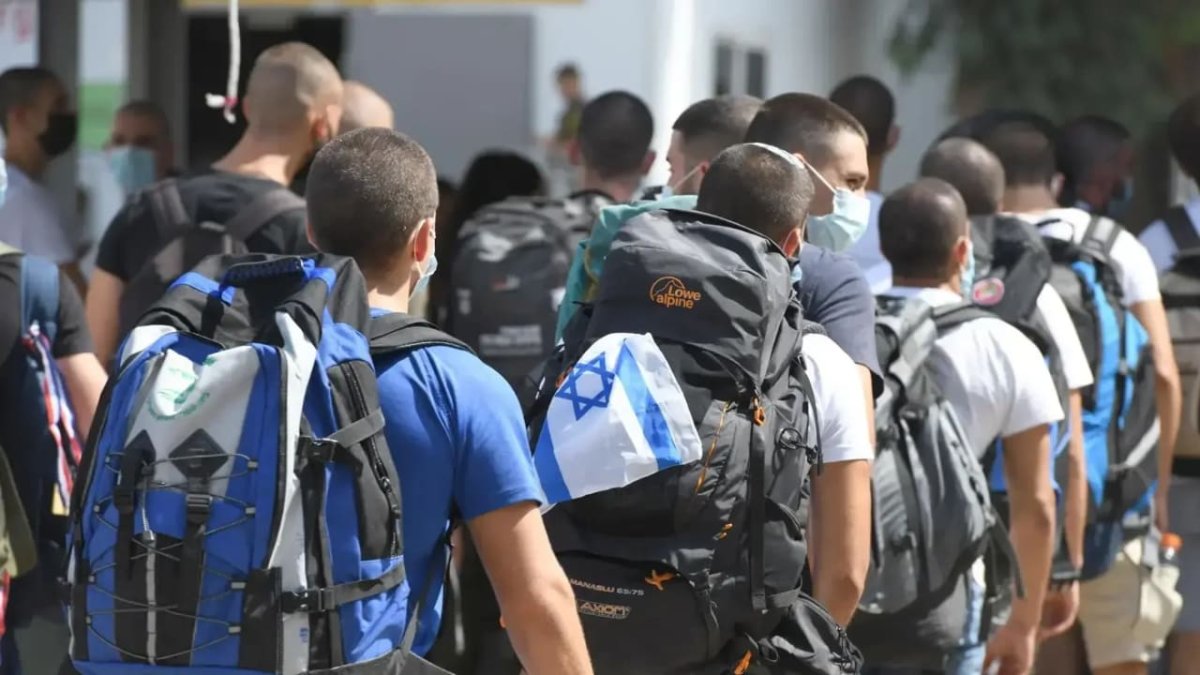
In recent years the longstanding Israeli principle of a people's army has quietly shifted toward a privatized system that places financial demands on families long before induction. Pre-army youth in cities such as Tel Aviv, Haifa, and Beersheba now navigate a competitive market where every preparatory step carries a price tag. Parents who once viewed service as a shared national duty find themselves funding advantages for their children in a system that ranks candidates by relative scores. This development raises questions about equality in a society where security remains central to daily life and regional stability.
The change affects motivation levels among teenagers aiming for elite paths while straining household budgets across socioeconomic lines. Families in peripheral communities often weigh these costs against other priorities, highlighting how the burden intersects with broader economic pressures in Israel. The result is a quiet transformation that challenges the notion of equal opportunity within the IDF framework.
IDF calls on you, prepare your wallet. Enlisting at Tel Hashomer (photo credit: REUVEN CASTRO)
Costs Surrounding the DAPAR Examination
The DAPAR psychotechnical exam, which replaced the older KABA score, sets a numerical result between 10 and 90 that influences placements, intelligence selections, and officer training eligibility requiring at least 60. The IDF supplies free practice software through the Mitgaysim website, yet commercial institutes market digital kits from NIS 39, simulations with guidance around NIS 500, and private lesson packages reaching NIS 1,500. A private psychodidactic diagnosis ranges from NIS 1,500 to NIS 4,500, with partial coverage from health funds. These expenditures create an uneven starting point for youth in different regions of the country.
Analysts note that relative scoring rewards those who can afford extra preparation, widening gaps between families in central Israel and those in the north or south. This dynamic pressures parents to invest early, even as the military continues to emphasize collective service. The pattern underscores tensions between individual advancement and the collective security needs that define Israeli society amid ongoing regional challenges.
Vision Correction and Profile Adjustments
Elite combat units demand a profile of 97, yet vision prescriptions up to 7 allow broad service while higher levels drop the profile to 72. Laser surgery recognized by the IDF permits deferment for three months before profile reassessment, sometimes yielding a clean 97. Assuta Optic reports a rise of dozens of percent in recent years among pre-enlistment youth undergoing the procedure after compatibility checks. Costs run into several thousand shekels per youth, influenced by health fund arrangements.
This medical route adds another layer of expense that favors families with resources, affecting access to roles such as sniping or naval service. In daily Israeli life, where security roles carry prestige and future opportunities, such barriers influence family decisions across communities from Jerusalem to the Galilee. The development illustrates how physical standards intersect with economic realities in maintaining the IDF's operational edge.
Preparation for Technological Units
Youth targeting Unit 8200, Mamram, or Shchakim begin with kits costing several hundred shekels, yet dedicated courses by unit alumni, including a youth program at John Bryce College, reach NIS 20,000. A Calcalist investigation highlighted uncertainty over classified test content, questioning the effectiveness of commercial offerings. Technological pre-military academies, with demand surging in 2025 and 2026, offer six-to-ten-month tracks in cyber, software, leadership, and fitness for NIS 9,000 to NIS 12,000 annually, excluding registration and boarding costs under supervised collection limits.
These investments reflect the high-tech pathway many families view as vital for post-service careers in Israel's innovation economy. However, they also accentuate divides between those who can access such tracks and others who cannot, challenging the equal footing once associated with military service. The pattern connects directly to national security priorities that rely on technological superiority in a volatile region.
Training Frameworks for Commando Selections
Units including Shayetet 13, Sayeret Matkal, Shaldag, 669, Chovlim, and selections for Unit 504 draw thousands of applicants yearly through Commando Day and multi-day trials assessing teamwork, decision-making under exhaustion, and character fit. Preparation groups range from weekly meetings to three sessions per week across high school years, with online programs priced at NIS 350 to NIS 395 and cumulative group guidance reaching thousands of shekels. Many participants enroll as early as tenth grade for fighters panels, Krav Maga workshops, sea training, and home programs.
Such frameworks place additional financial weight on families seeking to enhance their child's prospects in these demanding paths. The costs contribute to broader societal conversations about fairness in a military that underpins Israel's defense posture. Regional dynamics amplify these pressures, as service in elite units often links to long-term personal and national resilience.
Interview Simulations and Initial Equipment
Personality evaluations during selections involve unit psychologists, prompting institutes that employ former interviewers to offer simulations and feedback priced at NIS 300 to NIS 500 per session. At induction, Meitav supplies a list of dozens of required items beyond the standard kitbag, from clothing to a watch and flashlight. The Yoter club of the Association for Israel's Soldiers estimates the equipment basket at NIS 700 to NIS 1,200, averaging NIS 950, with higher figures for combat soldiers and winter enlistments. A digital Stars Card provides initial budget and at least 25 percent discounts at participating chains.
These outlays, though partially offset, still represent meaningful expenses for many households. They highlight how even basic entry into service carries costs that can influence participation rates across different segments of Israeli society. The situation ties into ongoing debates about maintaining motivation and equity within the armed forces.
Global Parallels and Lasting Implications
Similar markets exist elsewhere: in the United States private ASVAB lessons cost $30 to $80 hourly with eight-week programs at $880, roughly NIS 2,640, while India's National Defence Academy preparation boarding schools charge up to 350,000 rupees annually, about NIS 11,000. In Israel the cumulative effect across all stages forms a billion-shekel industry that tests the boundaries of the people's army concept. Families weigh these investments against security imperatives that remain central to life in a region marked by persistent threats.
The pattern fosters inequality that could affect unit cohesion and public trust over time. Policymakers face pressure to address how economic disparities influence access to preferred roles without compromising operational standards. This evolution reflects wider shifts in Israeli society where individual preparation increasingly supplements collective frameworks.
By Hannah Berg, Staff WriterWhat's Your Reaction?
 Like
0
Like
0
 Dislike
0
Dislike
0
 Love
0
Love
0
 Funny
0
Funny
0
 Wow
0
Wow
0
 Sad
0
Sad
0
 Angry
0
Angry
0







Comments (0)