
The Real Cost of Glass Skin: Inside India's K-Beauty Obsession
The Surge of K-Beauty Demand Across Indian Markets Recently, Indian consumers have driven a sharp increase in imports of Korean skincare formulations, with the glow promoted on digital platforms translating directly into billions spent at retail counters. This trend reflects broader consumer behavior patterns where visual ideals from East Asian media influence purchasing decisi
The Surge of K-Beauty Demand Across Indian Markets
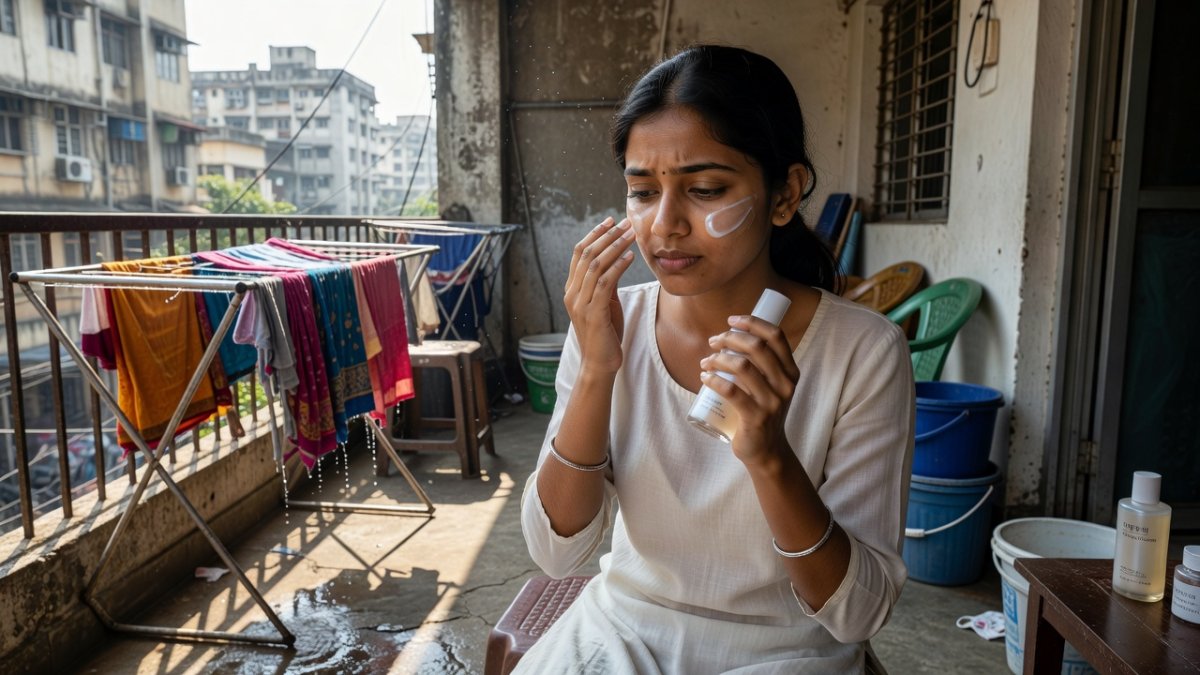
Recently, Indian consumers have driven a sharp increase in imports of Korean skincare formulations, with the glow promoted on digital platforms translating directly into billions spent at retail counters. This trend reflects broader consumer behavior patterns where visual ideals from East Asian media influence purchasing decisions in urban centers like New Delhi and Mumbai. The economic scale underscores how global beauty trends intersect with India's expanding middle class, prompting questions about sustainable spending amid rising healthcare costs tied to skin-related consultations.
Healthcare frameworks in India, including those under the Ayushman Bharat initiative, rarely address cosmetic dermatology, leaving consumers to navigate these markets without regulatory guidance on product suitability. This gap allows foreign brands to capture market share while local policy focuses on essential medicines rather than imported actives. Analysts note that such consumer shifts could strain personal finances, particularly when routines demand multiple products without guaranteed outcomes for diverse Indian skin types.
Korean Cultural Exports and Their Grip on Indian Audiences
Dr Saurabh Arora, Managing Director of Auriga Research, explains that the Indian K-beauty obsession stems from a mix of Korean soft power, where people consume skincare products alongside binge-watching K-dramas and K-pop. This represents a deliberate strategy by the Korean government to expand cultural influence. Koreans possess a different kind of skin, yet Indian consumers falsely idealize that these products can replicate that appearance, creating unrealistic expectations that ignore genetic and environmental differences.
Dr Ajayita, a Gold Medal BAMS physician and Founder of AClinic Chandigarh, adds that K-dramas and K-pop first built emotional connections, turning Korean skin into the ideal for characters audiences rooted for on screen. A nine-step routine effective in Seoul winters often clogs pores within a week in Mumbai's monsoon conditions. Certain brightening actives at Korean concentrations, without proper buffering, can darken deeper Indian skin tones rather than evening them out. India possesses traditional options like manjistha and turmeric, along with kumkumadi oil for pigmentation, making direct copying unnecessary.
These cultural imports affect consumer behavior by prioritizing aspirational routines over evidence-based care, potentially increasing dermatology visits in cities where pollution and UV exposure already challenge skin health. Indian education systems could integrate modules on skin science to counter such influences, aligning with public health goals that emphasize prevention through local knowledge rather than imported trends.
Climate and Skin Barrier Challenges in Diverse Indian Regions
Dr Aarzoo Pahwa, Consultant Dermatologist at Kailash Deepak Hospital, highlights that Korean products emphasize hydration yet Indian skin varies widely, with climates ranging from humid coastal areas to dry interiors. Some formulations feel too heavy for residents in humid zones or those with oily skin, exacerbating issues like hyperpigmentation under intense UV radiation. This mismatch demands tailored approaches rather than wholesale adoption of foreign protocols.
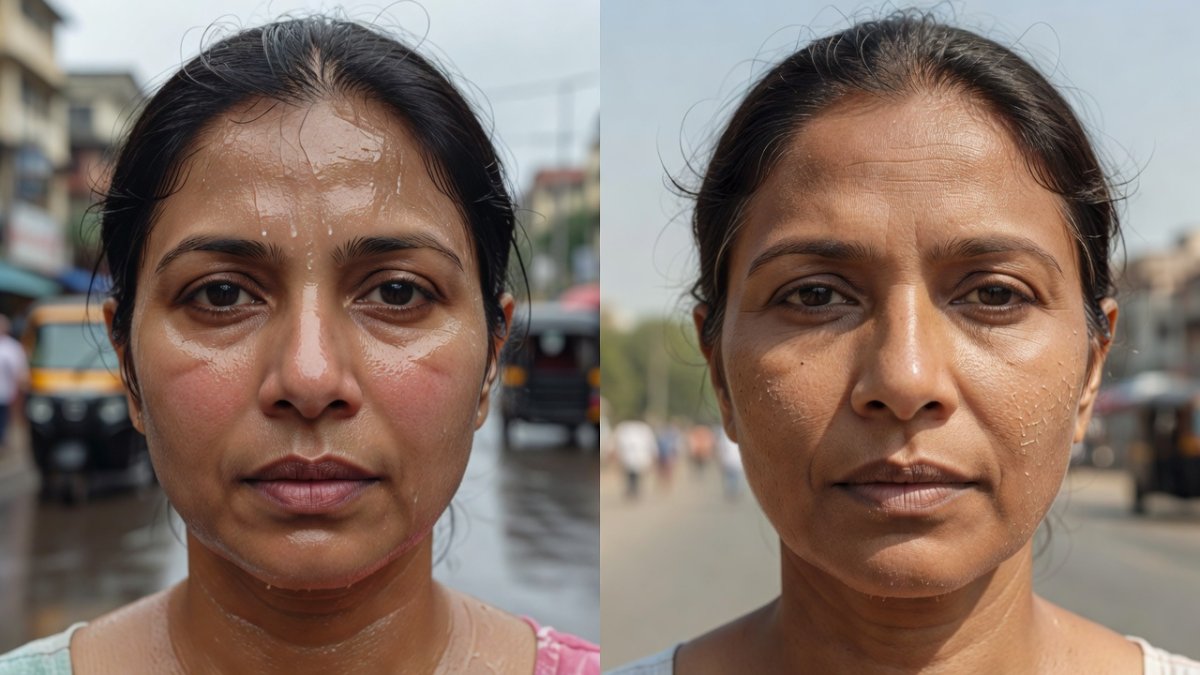
Dr Jenovia Daun Jung of KorinMi notes that K-beauty established credibility through consistent results, with underlying science compatible with Indian needs when adapted properly. Consumers must first assess their skin barrier, hydration levels, and responses to pigmentation and inflammation before starting any routine. A product suited to Korean skin in Seoul's dry winters fails for someone facing Delhi's humid summers, underscoring the need for localized testing.
Policy implications arise here, as India's drug regulatory bodies could mandate climate-specific labeling for imported cosmetics, protecting consumers in varied regions from ineffective or harmful applications. This would support healthcare systems already managing rising cases of pigmentation disorders linked to environmental factors.
Indian Industry Adaptation and Clinical Evidence Requirements
Dr Saurabh Arora observes that clinical trials are increasing sharply, with Indian brands adapting Korean formats while Indianising them for local relevance. Initial sales may result from design or marketing, but repeat purchases and profitability depend on products delivering measurable results. This shift positions domestic manufacturers to compete effectively in a market dominated by foreign entrants.
Dr Aarzoo Pahwa adds that Indian brands now provide formulations addressing local concerns, incorporating ingredients such as niacinamide, ceramides, and salicylic acid. These high-quality options at competitive prices attract broader audiences without sacrificing efficacy, fostering consumer trust through demonstrated performance rather than hype.
Sakshe Agrrawal Gupta, Founder of Eora, emphasizes that skin depends on more than products alone, incorporating genetics, diet, climate, pollution levels, lifestyle, and cultural habits. Such analysis encourages Indian policymakers to promote research into indigenous ingredients, integrating them into wellness programs that align with national health priorities and reduce reliance on external supply chains.
Consumer Experiences and Practical Alternatives
Poonam Kumari, a 30-year-old New Delhi resident, reports that COSRX Snail Mucin performs adequately in winter months, though cheaper and superior hydration alternatives exist in the Indian market, making it non-essential. This perspective illustrates how individual testing reveals limitations of trending products when weighed against accessible local options.
Dr Ajayita reinforces that routines must account for regional weather patterns, as unadapted Korean methods risk adverse effects on Indian skin tones. Consumers benefit from evaluating personal responses rather than following multi-step regimens promoted online, which can lead to unnecessary expenditure and skin barrier damage.
These experiences tie into broader consumer behavior trends where education on ingredient compatibility could empower better choices, potentially easing burdens on public healthcare by minimizing self-inflicted dermatological issues in high-pollution urban areas like New Delhi.
Long-Term Implications for Indian Healthcare and Policy
Dr Jenovia Daun Jung stresses the importance of understanding individual skin responses before adopting any routine, highlighting compatibility gaps that arise from unadapted imports. This analytical lens reveals how unchecked trends may drive up private healthcare spending without advancing national wellness objectives.
Dr Aarzoo Pahwa connects product popularity to India's diverse demographics and UV challenges, advocating for formulations that prioritize local needs over imported standards. Indian brands' incorporation of proven actives demonstrates a viable path forward, one that policy could accelerate through incentives for domestic innovation in skincare science.
Overall, the K-beauty wave prompts reflection on how cultural influences shape health decisions, urging integration of traditional Indian remedies into modern frameworks. This approach supports sustainable consumer practices and aligns with healthcare goals focused on accessible, effective solutions tailored to the subcontinent's unique conditions.
By Raj Patel, Staff Writer
This article was produced with AI-assisted research and editorial support. Reporting is based on sources cited in the article.
What's Your Reaction?
 Like
0
Like
0
 Dislike
0
Dislike
0
 Love
0
Love
0
 Funny
0
Funny
0
 Wow
0
Wow
0
 Sad
0
Sad
0
 Angry
0
Angry
0

Caribbean Correspondent at Global1.News. Based in Port of Spain, Trinidad, covering Caribbean politics, economy, energy, climate, and culture. Amplifying the voices and stories of the Caribbean region.















Comments (0)