
The Ombudsman's Decision to Utilize Bonoan as State Witness
The Ombudsman's Decision to Utilize Bonoan as State Witness The Office of the Ombudsman has taken a significant step by securing a signed agreement with former Department of Public Works and Highways secretary Manuel Bonoan to serve as a state witness in the flood control scandal. Ombudsman Jesus Crispin Remulla confirmed that a formal motion has been filed before the Sandiganb
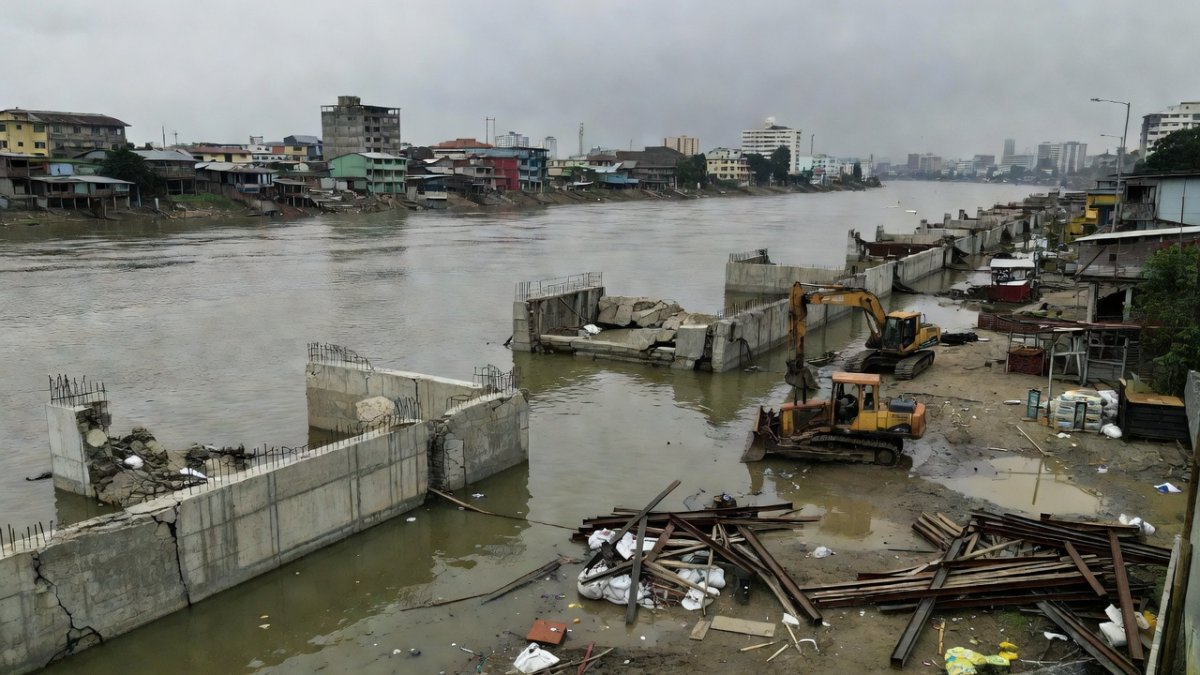
The Ombudsman's Decision to Utilize Bonoan as State Witness
The Office of the Ombudsman has taken a significant step by securing a signed agreement with former Department of Public Works and Highways secretary Manuel Bonoan to serve as a state witness in the flood control scandal. Ombudsman Jesus Crispin Remulla confirmed that a formal motion has been filed before the Sandiganbayan to discharge Bonoan from the non-bailable P573 million plunder charge he faces alongside Sen. Jinggoy Estrada. This move prioritizes the preservation of institutional knowledge from the 80-year-old former Cabinet official, whose health has deteriorated to the point of hospital arrest at the PNP General Hospital in Quezon City. Remulla emphasized that Bonoan's testimony will benefit multiple ongoing cases against other officials involved in the alleged misuse of flood control funds.
Bonoan's cooperation comes at a critical time when the prosecution seeks to build stronger cases rooted in specific project anomalies across various regions. His detailed understanding of procurement processes and fund allocations within the DPWH is viewed as essential for linking higher-level decisions to on-ground irregularities. The decision also reflects concern for perpetuating testimony promptly given his multiple serious medical conditions. This approach aligns with standard practices in complex graft investigations where insider accounts can clarify how funds intended for barangay-level flood mitigation projects were diverted.
Communities in flood-prone provinces stand to gain from any revelations that emerge, as past project failures have left families vulnerable during typhoon seasons. Local government units often bear the brunt when allocated resources fail to reach intended drainage and embankment works in rural barangays. By focusing on testimony that could expose systemic issues, the Ombudsman aims to address patterns that have repeatedly affected farmers and workers whose livelihoods depend on reliable infrastructure.
Legal Proceedings Against Senator Jinggoy Estrada
Sen. Jinggoy Estrada was recently arrested after surrendering in connection with the same P573 million plunder case tied to flood control projects. The charges allege that funds meant for critical public works were pocketed through irregular contracting arrangements. Estrada has denied the allegations, maintaining his innocence as the case proceeds before the Sandiganbayan. The involvement of other DPWH officials, including NCR assistant district engineer Cortuna and district engineers Bulusan and Gonzales, underscores the layered nature of the accusations spanning multiple levels of implementation.
The case highlights how national-level decisions intersect with local execution in provinces where flood control remains a pressing need. Families in affected areas have long reported inadequate protection during heavy rains, leading to repeated crop losses for farmers and disruptions for daily wage workers. Estrada's trial is expected to examine specific transactions that may reveal how project priorities were influenced outside standard procurement channels.
Prosecutors are positioning Bonoan's testimony to provide context on the approval and disbursement processes that allegedly enabled the irregularities. This could strengthen the foundation for holding all parties accountable, from planners to implementers. The proceedings carry broader implications for public trust in how infrastructure budgets are managed across congressional districts and municipal governments.
Imminent Charges Against Cong-Tractors in the House
Ombudsman Jesus Crispin Remulla has indicated that charges will soon be filed against congressmen acting as government contractors in violation of conflict-of-interest rules. Eight other House lawmakers are currently undergoing preliminary investigation for anomalies linked to flood control projects. These cases center on alleged breaches of Sections 3(e) and 3(h) of the Anti-Graft and Corrupt Practices Act, which prohibit officials from having direct or indirect financial interests in government transactions they oversee.
The focus on these "cong-tractors" reflects patterns where legislative influence may have shaped project awards in ways that bypassed competitive bidding. Such practices have historically undermined the delivery of flood mitigation infrastructure in vulnerable barangays, leaving communities exposed to seasonal flooding that damages homes and agricultural lands. Remulla noted that the investigations aim to address these overlaps between legislative roles and business interests.
Local economies in provinces dependent on timely public works stand to benefit if these cases result in clearer separation between official duties and private gains. Workers in construction and related sectors often see project delays when funds are misdirected, affecting household incomes in rural areas. The upcoming filings represent an effort to restore integrity in how resources reach the ground level where families need them most.
Additional Cases Involving Senators Villanueva, Escudero, and Marcoleta
Preliminary investigations continue against Sens. Joel Villanueva and Francis Escudero over flood control allegations. Escudero now faces a plunder complaint before the Ombudsman, where he has been tagged in connection with the scam, a claim he denied in a counter-affidavit. Villanueva faces multiple counts involving violations of the Anti-Graft and Corrupt Practices Act as well as the Government Procurement Reform Act, centered on project implementation concerns.
Separately, Sen. Marcoleta could face suspension from the Senate following the Ombudsman's announcement to file a plunder case before the Sandiganbayan this week. The complaint stems from a Commission on Elections investigation into his 2025 midterm election campaign contributions, where he initially declared zero contributions despite gathering P112.8 million. Further scrutiny revealed he later disclosed receiving funds but kept donors anonymous, with the Ombudsman tracing P75 million funneled through Defensor and associated businessmen over four days.
These parallel proceedings illustrate the wide scope of scrutiny extending from project execution to campaign financing. In many provinces, such issues have delayed flood control initiatives that directly impact daily life for residents in low-lying barangays. Farmers and small business owners frequently cite unreliable infrastructure as a barrier to stable incomes, underscoring the human stakes in resolving these cases efficiently.
Malacañang's Position on Administration Progress
Palace press officer Claire Castro defended the Marcos administration's handling of the investigations, urging critics to review updates on cases filed and actions taken. She highlighted that in less than a year, more progress has occurred compared to previous administrations, including the filing of cases, trials involving two senators, freezing of assets, and revocation of licenses for nine firms linked to the Discayas. Data from the Government Procurement Policy Board shows 112 firms have been blacklisted, with 12 involved in public works projects.
Castro emphasized that these steps demonstrate concrete movement rather than inaction. The administration's approach includes coordination across agencies to address both immediate anomalies and longer-term procurement reforms. Such measures aim to prevent recurrence of issues that have historically affected infrastructure delivery in regions prone to natural disasters.
Communities across the country continue to monitor these developments closely, as effective flood control remains vital for protecting homes, schools, and livelihoods in coastal and riverine barangays. Families and local workers hope that sustained enforcement will translate into tangible improvements in project outcomes over time.
Broader Effects on Philippine Communities and Local Economies
The flood control scandal has ripple effects that reach beyond Manila courtrooms into everyday realities for families in provinces where typhoons regularly test infrastructure resilience. When funds allocated for drainage systems and embankments are allegedly diverted, barangay-level protections weaken, leading to more frequent inundation of agricultural lands and residential areas. Farmers in affected districts often face total crop losses, while daily wage earners in construction and transport sectors experience work interruptions.
Local government units bear added burdens when national projects fall short, forcing them to redirect limited resources toward emergency responses rather than long-term development. This dynamic strains municipal budgets and delays other community priorities such as health services and education facilities. The ongoing cases, including those leveraging Bonoan's testimony, may eventually clarify accountability chains that connect national decisions to these ground-level consequences.
Restoring public confidence requires not only legal resolutions but also visible improvements in how future projects are awarded and monitored. Workers and families in flood-vulnerable areas watch these proceedings with hope that stronger safeguards will ensure resources reach intended sites, reducing the cycle of vulnerability that has persisted across many regions.
By Bella Reyes, Staff WriterThis article was produced with AI-assisted research and editorial support. Reporting is based on sources cited in the article.
What's Your Reaction?
 Like
0
Like
0
 Dislike
0
Dislike
0
 Love
0
Love
0
 Funny
0
Funny
0
 Wow
0
Wow
0
 Sad
0
Sad
0
 Angry
0
Angry
0

Africa Correspondent at Global1.News. Based in Lagos, covering politics, business, technology, and culture across the continent. Focused on telling African stories beyond the headlines — the innovation, entrepreneurs, and communities shaping the region's future.













Comments (0)