
The Atemoya Dispute: Agricultural Trade as a Lever in Cross-Strait Relations
The Atemoya Dispute: Agricultural Trade as a Lever in Cross-Strait Relations Beijing's Calculated Use of Agricultural Trade China's approach to Taiwanese agricultural products, including the atemoya, forms part of a deliberate pattern of economic signaling that aligns with Beijing's long-standing objective of demonstrating leverage over the island without immediate resort to mi
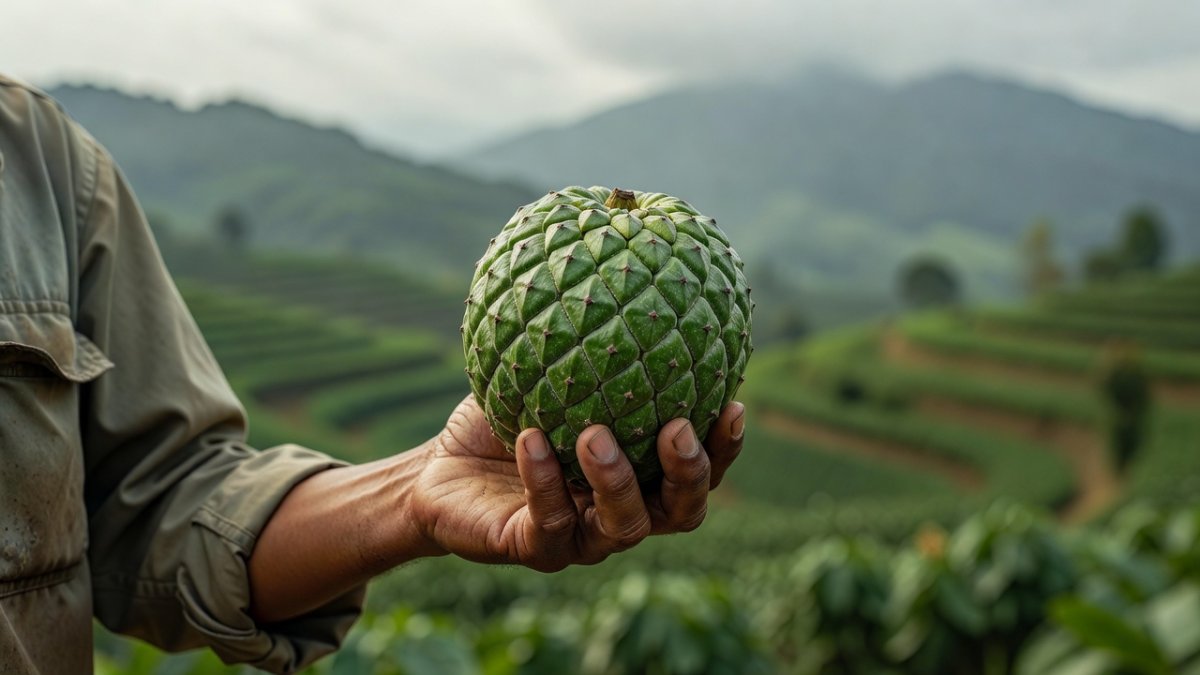
Beijing's Calculated Use of Agricultural Trade
China's approach to Taiwanese agricultural products, including the atemoya, forms part of a deliberate pattern of economic signaling that aligns with Beijing's long-standing objective of demonstrating leverage over the island without immediate resort to military measures. By pledging expanded purchases at forums in Xiamen, Chinese entities signal goodwill while simultaneously highlighting Taiwan's dependence on the mainland market. This tactic reflects the broader doctrine of integrated development across the strait, where economic interdependence serves as both incentive and pressure point. Officials in Beijing have consistently framed such engagements as opportunities for mutual benefit under the framework of peaceful reunification, yet the selective application of import measures underscores the strategic calculus at play.
Tracing the Sequence of Trade Measures
The sequence involving atemoyas follows an established pattern observed with other Taiwanese produce. Imports faced suspension in 2021 on grounds of pest concerns, followed by partial resumption in 2023 and the introduction of taxes in 2024. Recent pledges by Chinese companies to increase volumes represent the latest phase in this cycle. Taiwan's agriculture ministry has described these shifts as creating instability for producers, particularly in Taitung county where the fruit constitutes a specialty crop. Such measures are phased in gradually, allowing Beijing to adjust volumes in response to political developments on the island. The approach avoids abrupt declarations of outright bans in every instance, instead relying on regulatory adjustments that achieve similar effects over time.
Domestic Divisions Within Taiwan
Taiwan's response reveals clear partisan lines. The agriculture ministry has urged farmers to pursue diversification into processed products such as frozen items, puree, and wines to reduce reliance on any single market. In contrast, Kuomintang lawmakers and Taipei Mayor Chiang Wan-an have criticized these warnings as politicization that ultimately harms producers. Chiang has likened the atemoya to the island's semiconductor industry, emphasizing its unique qualities and arguing against restrictions on cross-strait commerce. The Mainland Affairs Council has indicated potential investigations into officials attending the Xiamen forum, highlighting ongoing tensions between central government policy and opposition voices that favor expanded economic engagement with the mainland.
Strategic Implications for Economic Interdependence
Cross-strait agricultural trade illustrates the asymmetric nature of economic ties. Taiwan maintains advantages in certain high-value crops, yet the concentration of export destinations creates vulnerabilities that Beijing can influence through administrative decisions. This dynamic supports China's Dual Circulation strategy by encouraging domestic cultivation expansion while limiting external dependencies. For Taiwan, the episode reinforces debates over economic resilience and the risks of over-reliance on a single partner. Second-order effects extend to regional supply chains, as disruptions in one sector can prompt adjustments in neighboring economies seeking stable sourcing alternatives.
The Raise, Trap, Kill Pattern in Context
Taiwan's agriculture ministry has characterized the process as one in which initial large-scale purchases encourage production expansion, only for subsequent restrictions to expose farmers to market volatility. This description aligns with observed actions across multiple commodities, where Beijing first builds volume and then applies controls citing technical or regulatory reasons. The pattern serves dual purposes: it tests Taiwan's political cohesion and signals to domestic audiences in China the government's resolve on unification-related issues. Observers note that such non-military instruments complement military drills near the island, forming a comprehensive pressure campaign that avoids immediate escalation while maintaining constant leverage.
Consequences for Additional Taiwanese Exports
The atemoya case carries direct relevance for other sectors, including fish and tea, which featured in the same Xiamen discussions. Expanded purchase commitments in these areas follow similar logic, offering short-term market access while preserving the option for future adjustments. Taiwan's efforts to diversify processing and markets aim to mitigate these risks, yet structural dependence on mainland demand persists for many agricultural goods. The episode underscores how Beijing's foreign policy doctrine integrates economic tools with political objectives, shaping outcomes not only for Taiwan but also for ASEAN partners and global supply networks that monitor cross-strait stability.
By Prof. Marcus Chen, Staff WriterThis article was produced with AI-assisted research and editorial support. Reporting is based on sources cited in the article.
What's Your Reaction?
 Like
0
Like
0
 Dislike
0
Dislike
0
 Love
0
Love
0
 Funny
0
Funny
0
 Wow
0
Wow
0
 Sad
0
Sad
0
 Angry
0
Angry
0

World Politics Analyst at Global1.News. Based in Beijing, covering US-China relations, global trade, and geopolitical strategy. Brings deep analytical perspective to the power dynamics shaping international affairs.














Comments (0)