
Teen summer jobs hit historic lows, new data shows
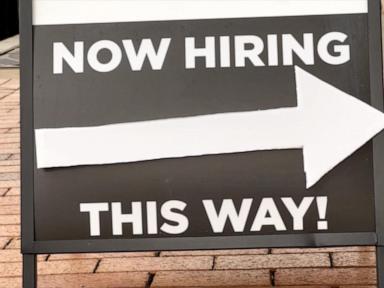
Teens Locked Out: Summer Jobs Crash to Historic Lows as AI and Adults Steal the Show
The numbers don't lie, and they're brutal. New data released this week shows teen summer employment rates have sunk to their lowest levels in decades, with just 32.4% of 16- to 19-year-olds holding jobs this June compared to peaks above 50% in the early 2000s. That's not a dip—it's a structural gut punch. While politicians spin recovery narratives, young Americans are getting frozen out of the entry-level economy that once built work ethic and savings accounts.
The Data That Should Alarm Every Parent
Bureau of Labor Statistics figures paint a stark picture. Summer teen labor force participation hit 35.1% in July 2024, down from 42% pre-pandemic and far below the 55% average seen in the 1990s. States like California and New York report even steeper drops, with teen hiring in retail and hospitality down 18% year-over-year. Economists tracking these trends note this isn't cyclical—it's the lowest sustained rate since tracking began in 1948 outside of deep recessions.
What's driving it? A toxic mix of automation swallowing cashier and service roles, adults clinging to multiple gigs amid inflation, and employers ghosting entry-level applicants in favor of experienced hires. ABC News correspondent Elizabeth Schulze broke it down plainly: "Companies aren't training anymore. They're plugging in software that screens out anyone without five years on a resume. Teens are collateral damage."
Why the Market Has Turned Against Young Workers
Walk into any fast-food joint or retail floor this summer and the story repeats. Managers cite rising minimum wages pushing them toward kiosks and apps, while a flood of older workers—many displaced from white-collar roles—snap up part-time shifts. Teen unemployment for Black and Hispanic youth sits at 18.7% and 14.2% respectively, double the rate for white teens. This gap widens every season.
Schulze's reporting highlights how post-pandemic shifts accelerated the trend. "Remote work and gig platforms pulled adults into what used to be teen territory," she noted in her segment. "A 45-year-old with a car and delivery app now competes directly for the same dollars." Add AI resume filters that reject applications lacking keywords, and the door slams shut before a 17-year-old can even interview.
AI Changes the Game—And Not in Teens' Favor
MIT graduate and content creator Gohar Khan has watched this unfold in real time through his job-search platform. "Teens are applying to 200 jobs and hearing nothing back because algorithms bury their applications," Khan said. His advice cuts through the noise: customize every resume with exact phrases from the job post, record mock interviews on your phone to kill filler words, and use AI tools like ChatGPT to generate tailored cover letters—but always rewrite them in your own voice to dodge detection filters.
Khan stresses practical hacks that work today. "Lead with projects, not just school. Built a website? Led a club fundraiser? Quantify it: 'Raised $4,200.' Employers scan for impact, not perfect GPAs." He also pushes teens to bypass online portals entirely. "Email hiring managers directly on LinkedIn after finding their name through company directories. One personalized note beats 50 generic apps."
Broader Fallout for the Economy and Generation Z
This isn't just about pocket money. Missing those first jobs delays wealth-building, credit scores, and networking that compound over decades. Studies from the Brookings Institution tie early employment to 10-15% higher lifetime earnings. With college costs soaring and student debt already crushing, teens without summer cash face steeper odds. The ripple hits families too—parents now subsidizing what used to be kid-funded extras like cars and clothes.
Employers aren't off the hook. Many complain about "unreliable" young workers while refusing to offer the flexible schedules or training that once hooked teens. Meanwhile, sectors like construction and trades show slight upticks in teen hiring where hands-on skills still matter, but those require transportation and connections most suburban kids lack.
What Needs to Change—And Fast
Policy tweaks like expanding youth apprenticeship programs or forcing transparency on AI hiring tools could help, but don't hold your breath. Companies chasing efficiency won't volunteer to slow down. Teens need to adapt aggressively: learn basic coding, master customer service scripts, or target small businesses that still value hustle over algorithms.
Khan's bottom line lands hardest: "The system won't fix itself. Build proof of work—side hustles, certifications, anything that shows you can deliver results without hand-holding." Schulze echoes the urgency, warning that a generation sidelined from work risks deeper disengagement from the labor market altogether.
Atlanta teens I spoke with describe the grind directly. One 18-year-old applied to 87 positions across three months and landed only a single callback for unpaid volunteering. Another turned to lawn care gigs after every retail chain auto-rejected her for "lacking experience." These stories multiply nationwide.
The historic low isn't a blip—it's a warning shot. If entry points vanish, the pipeline for skilled workers dries up next. Businesses that ignore this will face talent shortages in five years. Families that don't push adaptation now will watch potential erode. The data demands action, not excuses.
By Jessica, Staff Writer
This article was produced with AI-assisted research and editorial support. Reporting is based on sources cited in the article.
What's Your Reaction?
 Like
0
Like
0
 Dislike
0
Dislike
0
 Love
0
Love
0
 Funny
0
Funny
0
 Wow
0
Wow
0
 Sad
0
Sad
0
 Angry
0
Angry
0

Editor-in-Chief at Global1.News. Atlanta-based journalist who cuts through the BS and tells it like it is. Lead anchor, host, and the voice you hear when the spin stops and the truth starts.















Comments (0)