
Gulf of Paria widens as Trinidad pours oil on troubled Venezuelan waters
The Spill Detection and Immediate Actions On May 1, Heritage Petroleum Company Limited detected an oil spill at its offshore Main Field operation in the Gulf of Paria at 7:25 a.m. The company promptly notified Trinidad's Ministry of Energy and Energy Industries, the Coast Guard, and the Environmental Management Authority. According to official accounts, approximately 10 barrels
The Spill Detection and Immediate Actions
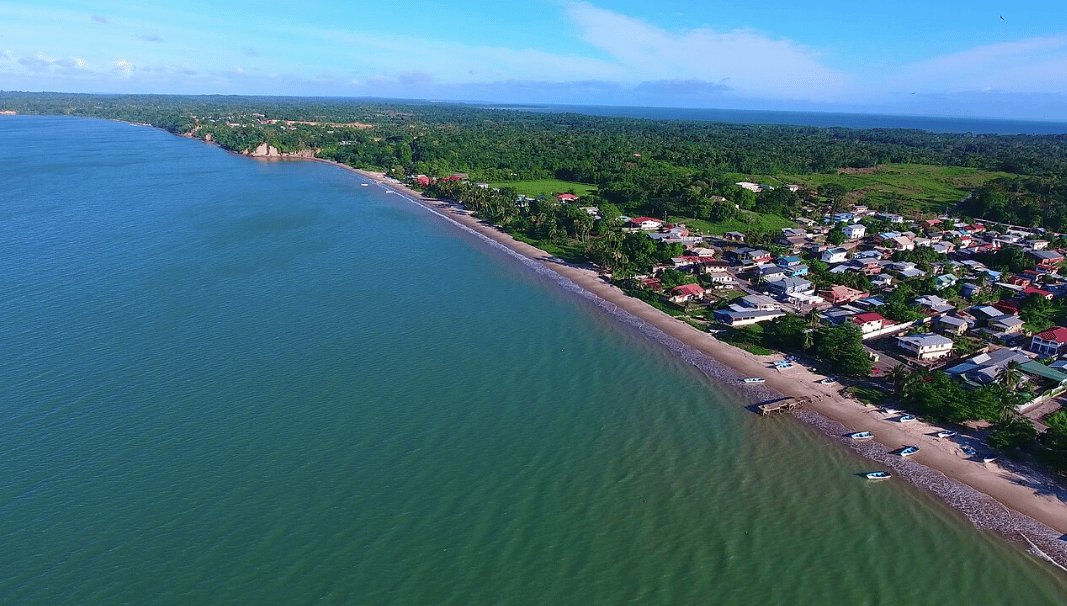
On May 1, Heritage Petroleum Company Limited detected an oil spill at its offshore Main Field operation in the Gulf of Paria at 7:25 a.m. The company promptly notified Trinidad's Ministry of Energy and Energy Industries, the Coast Guard, and the Environmental Management Authority. According to official accounts, approximately 10 barrels were released before the leak was stopped the same day and fully repaired on May 2. This incident unfolded in waters that have long supported Trinidad and Tobago's energy sector, where companies like Heritage continue operations following the restructuring after Petrotrin. The Gulf of Paria remains central to our national economy, providing jobs and revenue at a time when cost of living pressures weigh heavily on families across the country. Local communities in south Trinidad understand the delicate balance between energy production and environmental stewardship, especially as we recover from pandemic disruptions to tourism and related industries. While the spill volume appears limited, the location near shared maritime boundaries adds layers of complexity that affect both nations. Trinidad and Tobago's energy officials have emphasised rapid containment, yet questions linger about why public disclosure waited until Venezuela raised concerns. The episode highlights ongoing challenges in the oil and gas industry, where even small incidents can ripple through regional relations and local livelihoods dependent on fishing and marine resources.
Venezuela Raises the Alarm
Venezuela formally demanded information and compensation from Trinidad and Tobago after the May 1 incident, with Caracas asserting that the spill originated in Trinidadian waters and posed risks to shared Gulf of Paria ecosystems. Venezuela's Foreign Minister Yván Gil went public on May 12, citing satellite images dating back to April 28, before Trinidad's official detection. Acting President Delcy Rodríguez deployed environmental specialists, biologists, and naval personnel to assess potential damage across 1,625 square kilometres, including 12 wetland systems, four national parks, and impacts on more than 500 fishermen in Sucre and Delta Amacuro states. These claims have stirred concern among Caribbean neighbours who share similar vulnerabilities to environmental threats. In Trinidad and Tobago, where the energy sector underpins much of our fiscal stability, such cross-border accusations touch on sensitive issues of sovereignty and cooperation. The Gulf of Paria has historically served as a bridge rather than a barrier between the two countries, supporting cultural exchanges and informal trade that sustain communities on both sides. Venezuela's warnings underscore the need for transparent data sharing, particularly as both nations navigate post-pandemic economic recovery and fluctuating oil prices. Regional observers note that unresolved tensions could affect broader CARICOM engagement with Caracas, where energy cooperation has occasionally offered mutual benefits despite political differences.
Trinidad's Modelling and Containment Efforts
Trinidad and Tobago maintains that the spill was minor and quickly contained, describing it as roughly 10 barrels that posed limited threat once addressed. Trajectory modelling conducted by local authorities indicated that hydrocarbons could have crossed into Venezuelan waters if left untreated, prompting the deployment of chemical dispersants at a site six to eight nautical miles from the maritime border. The Ministry of Energy and Energy Industries coordinated with the Coast Guard and Environmental Management Authority from the outset, focusing on containment within Trinidadian jurisdiction. Energy Minister Moonilal has stated that talks are being arranged with Venezuelan counterparts to address the matter directly. This approach reflects a cautious stance amid ongoing energy sector activities in the Gulf of Paria, where operators like Heritage Petroleum manage fields critical to national output. Communities in coastal areas of Trinidad understand the stakes, as marine pollution can disrupt fishing grounds and tourism initiatives that help offset inflation and high living costs. The decision not to disclose the spill publicly until Venezuela intervened has drawn scrutiny, yet officials stress that internal notifications followed established protocols. Such incidents remind us of the technical demands of offshore operations and the importance of robust monitoring systems to protect shared waters that support livelihoods across the region.
Opposition Voices Concerns Over Transparency
Trinidad and Tobago's Opposition, including former Energy Minister Stuart Young, has claimed that the handling of the incident amounted to a deliberate cover-up, arguing that greater openness would have prevented escalation with Venezuela. These criticisms emerge at a time when public trust in institutions remains vital for addressing wider challenges such as crime rates and economic pressures facing ordinary citizens. The lack of immediate public communication about the May 1 detection has fuelled debate over accountability in the energy sector, where decisions by companies like Heritage Petroleum affect national interests. Opposition figures point to the satellite evidence obtained by Venezuela as evidence that earlier disclosure might have strengthened diplomatic positioning. In a small nation like ours, where news travels quickly through community networks, perceptions of secrecy can erode confidence in government oversight of vital industries. Energy Minister Moonilal's indication that bilateral talks are forthcoming offers a potential avenue for clarification, yet the episode has already highlighted gaps in how environmental incidents are communicated to the public. Caribbean360 commentators have noted that diplomatic trust represents the real casualty here, a concern that resonates with citizens who value stable relations with neighbours like Venezuela for cultural and economic reasons.
Potential Effects on Shared Marine Ecosystems
The Gulf of Paria supports diverse marine life and fishing communities on both the Trinidadian and Venezuelan sides, making any spill a matter of shared concern. Venezuela has highlighted risks to wetlands, national parks, and hundreds of fishermen, while Trinidad and Tobago's containment measures aimed to limit spread using dispersants positioned away from the border. Historical patterns of oil operations in these waters underscore the need for careful management, especially as climate change intensifies pressures on small island developing states through rising seas and extreme weather. Local fishers in Trinidad have long depended on these waters for their catch, contributing to food security amid rising import costs. The incident, though described as limited in volume, serves as a reminder of how quickly environmental issues can cross boundaries and affect regional cooperation under frameworks like CARICOM. Officials continue to monitor for any lingering effects, with trajectory data suggesting potential movement toward Venezuelan territory if not addressed promptly. This situation connects to broader conversations about sustainable energy practices and the protection of ecosystems that sustain both economies and cultural traditions tied to the sea.
Path Forward Through Dialogue and Regional Cooperation
Energy Minister Moonilal has confirmed that discussions with Venezuelan counterparts are being organised, providing an opportunity to exchange data and clarify positions on the May 1 spill. Such engagement aligns with longstanding Caribbean efforts to maintain constructive ties despite differing political systems, supporting stability in areas like energy trade and migration. The Gulf of Paria episode illustrates how environmental incidents can test these relationships, yet it also opens space for improved protocols on notification and joint monitoring. In Trinidad and Tobago, where the energy sector remains a cornerstone of resilience against global price swings, transparent handling of such events can reinforce public confidence. Neighbouring CARICOM nations watch closely, recognising that shared waters require coordinated responses to protect fisheries, tourism recovery, and community well-being. By prioritising factual exchanges over confrontation, both sides can work toward solutions that honour the interconnected realities of life in the southern Caribbean. This approach reflects the practical spirit that has helped the region navigate past challenges in oil and gas cooperation.
By Sharon Sahatoo, Staff WriterThis article was produced with AI-assisted research and editorial support. Reporting is based on sources cited in the article.
What's Your Reaction?
 Like
0
Like
0
 Dislike
0
Dislike
0
 Love
0
Love
0
 Funny
0
Funny
0
 Wow
0
Wow
0
 Sad
0
Sad
0
 Angry
0
Angry
0

Caribbean Correspondent at Global1.News. Based in Port of Spain, Trinidad, covering Caribbean politics, economy, energy, climate, and culture. Amplifying the voices and stories of the Caribbean region.









Comments (0)