
Taiwan's Atemoya Trade Dispute Exposes Deepening Cross-Strait Economic Vulnerabilities
The Immediate Story: China Pledges and Taiwan's Warning The recent pledge by Chinese companies to increase purchases of Taiwanese atemoyas at a forum in Xiamen has immediately heightened tensions across the Taiwan Strait, framing a seemingly routine agricultural transaction within the larger context of Beijing's territorial claims over the island. Taiwan's agriculture ministry
The Immediate Story: China Pledges and Taiwan's Warning
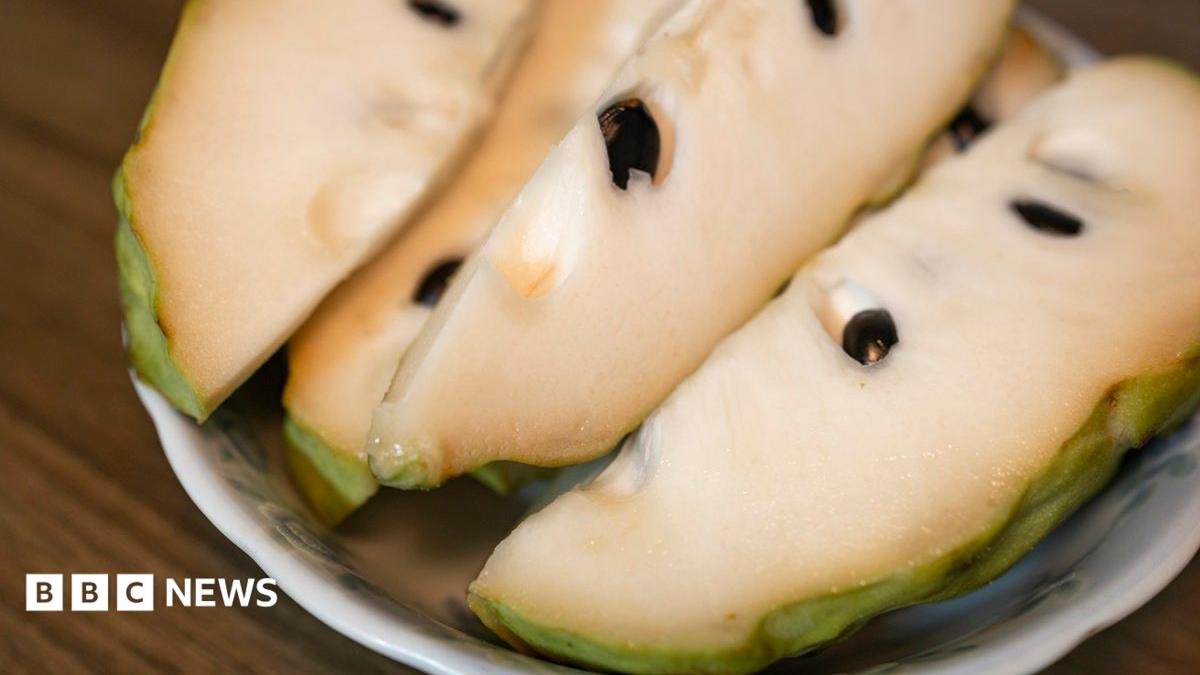
The recent pledge by Chinese companies to increase purchases of Taiwanese atemoyas at a forum in Xiamen has immediately heightened tensions across the Taiwan Strait, framing a seemingly routine agricultural transaction within the larger context of Beijing's territorial claims over the island. Taiwan's agriculture ministry responded swiftly with a press release that characterized the move as part of a deliberate pattern designed to create dependency before exposing producers to sudden disruptions. This warning arrives against the backdrop of intensified Chinese military drills near Taiwan, including simulated blockades, which observers interpret as complementary to non-military economic pressures. The atemoya, a hybrid fruit with creamy white flesh and a rough green exterior, holds particular significance as a specialty crop from Taitung County, making any fluctuation in export access a direct threat to local livelihoods. Strategic calculations on both sides reveal China's interest in demonstrating goodwill through expanded imports while Taiwan seeks to shield its farmers from overreliance on a single market that Beijing can weaponize at will.
China's announcement to buy more atemoyas forms part of a broader initiative to expand acquisitions of Taiwanese products such as fish and tea, yet Taipei views this overture with deep suspicion given past experiences. The forum in Xiamen drew business leaders and opposition politicians from Taiwan, proceeding despite an official central government prohibition on such participation. Taiwan's Mainland Affairs Council has since signaled that officials who attended may face investigation, underscoring the political sensitivities surrounding any engagement with mainland entities. This episode illustrates how agricultural trade serves as a proxy battleground where Beijing advances its unification narrative through economic incentives and Taipei counters with diversification strategies. The resulting friction highlights the asymmetric leverage China possesses as Taiwan's key importer, forcing farmers into a precarious position where short-term gains risk long-term instability.
Authorities in Taipei have emphasized their commitment to guiding the atemoya industry toward sustainable development and stable incomes for producers rather than allowing external market signals to dictate outcomes. Plans include promoting diversified processing into frozen products, puree, and wines to reduce vulnerability to raw fruit export fluctuations. Such measures reflect a calculated effort to build resilience amid ongoing cross-strait uncertainties, where economic tools increasingly intersect with sovereignty disputes. The immediate story thus encapsulates not merely a fruit trade issue but a microcosm of how Beijing's dual-track approach of military posturing and commercial engagement tests Taiwan's defensive posture. Farmers in Taitung County now confront the dilemma of whether to expand cultivation based on Chinese pledges or heed official cautions about potential reversals.
The "Raise, Trap, Kill" Framework in Official Taiwanese Analysis
Taiwan's agriculture ministry has explicitly labeled China's recent atemoya import pledges as a classic manifestation of the "raise, trap, kill" process, whereby Beijing first stimulates production through large purchases to foster reliance before imposing unilateral restrictions. This framework draws directly from observed patterns in which initial goodwill gestures encourage farmers to scale up operations, only for sudden policy shifts to leave the industry exposed. The ministry's analysis points to the sequence of events beginning with suspended imports in 2021 on pest grounds, followed by partial resumption in 2023 and the introduction of taxes in 2024, each step amplifying uncertainty for producers. Such tactics align with China's broader foreign policy doctrine of using economic interdependence as leverage in sovereignty disputes, compelling Taiwan to internalize the costs of potential unification pressures. Strategic reasoning suggests that Beijing benefits from maintaining this cycle, as it weakens domestic support for independence-leaning policies by demonstrating the tangible risks of economic isolation.
The "raise, trap, kill" description underscores how China has simultaneously expanded its own domestic atemoya cultivation, creating direct competition that threatens Taiwan's market position even during periods of resumed access. This dual strategy of import manipulation and internal production growth serves Beijing's interest in diminishing Taiwan's agricultural competitiveness while advancing self-sufficiency goals under national development priorities. Taiwanese officials argue that these moves impose huge instability on the industry and force farmers to bear disproportionate risks without corresponding safeguards. From a geopolitical standpoint, the framework reveals China's calculated use of market access as a tool to influence Taiwan's internal political dynamics, particularly by targeting sectors like Taitung County's specialty crops that symbolize local identity. The ministry's public articulation of this process aims to preempt farmer enthusiasm for Chinese overtures and redirect focus toward long-term resilience measures.
Implementation of countermeasures, including guidance toward processing diversification, represents Taiwan's attempt to break the cycle by reducing dependence on fresh fruit exports to the mainland. This approach carries implications for cross-strait relations, as it signals Taipei's refusal to accept economic coercion as an inevitable feature of the relationship. Historical parallels with other targeted sectors demonstrate how such patterns erode trust and accelerate Taiwan's pivot toward alternative markets, even at short-term cost. The official analysis thus functions both as a warning to producers and a broader statement of strategic intent to safeguard sovereignty through economic autonomy. Ultimately, the "raise, trap, kill" lens frames the atemoya dispute as emblematic of Beijing's hybrid pressure campaign that blends commercial incentives with implicit threats.
Historical Context: The 2021 Pineapple Ban Precedent
The 2021 Chinese ban on Taiwanese pineapple imports serves as the foundational precedent for current atemoya concerns, having caused significant disruption to farmers' livelihoods and prompting a nationwide domestic consumption campaign in response. That episode established a template for economic coercion that many in Taiwan now see replicated in the atemoya sector, where initial market access gives way to abrupt halts justified on technical grounds such as pest concerns. The pineapple ban occurred amid heightened cross-strait tensions and demonstrated Beijing's willingness to target symbolically important agricultural products to exert political pressure without resorting to military means. Taiwan's subsequent mobilization around local consumption highlighted societal resilience but also exposed the vulnerabilities inherent in overreliance on the Chinese market for specialty crops. This historical episode continues to shape strategic thinking in Taipei, informing the agriculture ministry's proactive stance against repeating the same pattern with atemoyas.
China's decision to suspend atemoya imports in 2021 on similar pest-related pretexts directly echoed the pineapple experience, reinforcing perceptions that technical justifications mask deeper political motivations tied to Taiwan's status claims. Partial resumption in 2023 and subsequent tax impositions in 2024 have followed a trajectory that mirrors the earlier ban's destabilizing effects, leaving producers wary of expanding output based on temporary openings. The precedent illustrates how Beijing leverages its position as a dominant buyer to influence Taiwan's domestic politics, particularly by affecting rural constituencies that may hold sway in elections. From China's perspective, such measures advance the goal of demonstrating the economic costs of maintaining separation while avoiding escalation that could draw international involvement. Taiwanese policymakers have internalized these lessons by prioritizing diversification and processing upgrades to mitigate future shocks of comparable magnitude.
The pineapple ban's legacy extends beyond immediate economic damage to encompass a broader awakening regarding non-military tactics in cross-strait competition, where fruit becomes an instrument of statecraft. Observers note that this approach complements intensified military drills near Taiwan, creating a comprehensive pressure environment designed to erode confidence in the island's ability to sustain independent economic policies. The domestic response to the pineapple restrictions, involving widespread public support for local produce, offers a model for potential atemoya countermeasures should restrictions intensify. Strategic analysis reveals that China benefits from the precedent's chilling effect, as it discourages Taiwanese farmers from deepening ties with alternative export destinations. This historical context thus provides essential grounding for understanding why the current pledges trigger such immediate and forceful warnings from Taipei.
Cross-Strait Economic Coercion Dynamics
Economic coercion through agricultural trade has emerged as a central feature of cross-strait dynamics, allowing China to apply pressure on Taiwan without crossing thresholds that might provoke direct international intervention. The atemoya case exemplifies how Beijing alternates between expanding purchases to build goodwill and deploying restrictions to create instability, thereby influencing Taiwan's strategic calculus regarding unification. Taiwan's agriculture ministry has documented this pattern through the sequence of import suspensions, resumptions, and tax measures, each calibrated to maximize uncertainty for producers in Taitung County. China's underlying objective appears to be demonstrating that economic benefits flow from closer integration while costs accrue from resistance, a calculation rooted in its foreign policy emphasis on peaceful reunification alongside military preparedness. This dynamic places Taiwan in a defensive posture, compelled to balance farmer interests against the imperative of reducing exposure to mainland market volatility.
The forum in Xiamen, where Chinese entities pledged greater atemoya acquisitions alongside fish and tea, represents the "raise" phase of the coercion cycle, designed to encourage expanded cultivation before potential future disruptions materialize. Attendance by opposition politicians despite central government restrictions further complicates the picture, as it introduces domestic political variables into the economic equation. Taiwan's Mainland Affairs Council response, including potential investigations, reflects efforts to maintain unified messaging against perceived manipulation. Geopolitically, China holds significant leverage through its market size and regulatory control over import standards, enabling rapid shifts that Taiwanese producers cannot easily counter. Taipei's strategy centers on internal adjustments such as processing diversification to blunt this leverage over time.
Observers interpret these tactics as part of a wider repertoire of non-military measures that complement military drills simulating blockades, collectively aiming to shape Taiwan's political environment. The expansion of China's own atemoya cultivation adds another layer, positioning mainland producers as eventual competitors that could displace Taiwanese exports even in favorable political climates. This multifaceted approach reveals Beijing's strategic patience in using economic tools to erode the foundations of Taiwan's de facto independence. For Taiwan, the challenge lies in preserving agricultural viability while signaling resolve against coercion, a balance that requires careful calibration of public communications and policy interventions. The dynamics thus encapsulate the broader contest over whether economic interdependence serves as a bridge or a battlefield in cross-strait relations.
Domestic Political Divisions in Taiwan
Domestic political divisions in Taiwan have surfaced sharply over the atemoya issue, with opposition Kuomintang lawmakers criticizing the agriculture ministry's warnings as an attempt to politicize the industry at the expense of farmers' livelihoods. These lawmakers argue that framing Chinese purchase pledges through the lens of coercion risks alienating a valuable market without providing concrete alternatives, potentially harming rural economies in regions like Taitung County. Such critiques highlight the tension between national security considerations and immediate economic interests, a perennial fault line in Taiwanese politics that Beijing can exploit through targeted commercial gestures. The Mainland Affairs Council's caution regarding forum participants further fuels partisan debate, as it underscores differing approaches to cross-strait engagement between the ruling authorities and opposition forces.
Taipei Mayor Chiang Wan-an has amplified these divisions by accusing the Mainland Affairs Council of using the atemoya question to bully and oppress Taiwanese farmers, positioning the fruit as the "TSMC of the fruit world" whose unique qualities deserve unfettered global appreciation. This rhetoric frames the dispute not merely as a trade matter but as a test of whether Taiwan can assert its distinct identity without self-imposed restrictions on economic opportunities. Opposition perspectives emphasize that farmers should retain agency to pursue profitable outlets, including those offered by Chinese buyers at the Xiamen forum, rather than having diversification mandates imposed from above. These divisions complicate Taipei's ability to present a cohesive front against perceived coercion, potentially weakening the effectiveness of resilience-building measures.
The partisan split also reflects broader strategic disagreements over how Taiwan should navigate its relationship with China, with some favoring pragmatic economic engagement and others prioritizing insulation from political leverage. Agriculture ministry statements on sustainable development and processing diversification represent one side of this debate, seeking to guide the industry toward reduced vulnerability regardless of short-term political costs. Opposition voices counter that such guidance may inadvertently signal weakness or overstate risks, thereby discouraging investment in atemoya cultivation altogether. This internal contestation carries implications for electoral dynamics, as rural constituencies affected by export fluctuations could shift support based on perceived government effectiveness in managing cross-strait economic risks. Ultimately, the divisions illustrate how Beijing's tactics reverberate through Taiwan's democratic processes, testing the island's capacity for unified strategic responses.
Strategic Implications for Taiwan's Agricultural Sector and Cross-Strait Relations
The strategic implications of the atemoya dispute extend to Taiwan's agricultural sector by necessitating accelerated diversification away from raw exports toward value-added processing such as frozen products, puree, and wines, thereby enhancing resilience against future market access disruptions. This shift aligns with the agriculture ministry's stated focus on sustainable development and stable farmer incomes, representing a proactive adaptation to the realities of economic coercion in cross-strait relations. For Taitung County producers, the episode underscores the risks of specialization in crops with concentrated export destinations, prompting consideration of alternative markets and domestic consumption campaigns modeled on the 2021 pineapple response. China's parallel expansion of its own cultivation adds competitive pressure that could persist even if political conditions improve, compelling long-term structural adjustments in Taiwan's fruit industry.
On the cross-strait relations front, the dispute reinforces patterns of hybrid pressure that combine economic incentives with implicit threats, challenging Taiwan to develop countermeasures that preserve both prosperity and autonomy. Beijing's approach demonstrates a preference for gradual erosion of Taiwan's economic buffers rather than outright confrontation, consistent with its doctrine of achieving unification through multiple means short of force. Taipei's warnings and investigation signals serve as assertions of sovereignty boundaries, signaling that commercial engagement cannot bypass official channels without consequences. This dynamic may accelerate Taiwan's broader pivot toward regional trade frameworks that reduce mainland dependence, with agricultural sectors acting as early indicators of success or failure in such strategies.
Longer-term consequences include heightened farmer awareness of geopolitical risks, potentially leading to more cautious expansion decisions and greater receptivity to government guidance on diversification. The atemoya case also provides a template for analyzing similar vulnerabilities in other export-oriented industries, informing comprehensive national resilience planning. Strategic calculus on Taiwan's side emphasizes building buffers that deter coercion by demonstrating the capacity to absorb shocks, while China's calculus centers on maintaining credible economic leverage to influence political outcomes. These implications collectively shape the trajectory of cross-strait interactions, where agricultural trade disputes serve as testing grounds for larger questions of interdependence and autonomy. The episode ultimately highlights the intricate interplay between local livelihoods and grand strategic contests in the Taiwan Strait region.
By Prof. Marcus Chen, Staff WriterThis article was produced with AI-assisted research and editorial support. Reporting is based on sources cited in the article.
What's Your Reaction?
 Like
0
Like
0
 Dislike
0
Dislike
0
 Love
0
Love
0
 Funny
0
Funny
0
 Wow
0
Wow
0
 Sad
0
Sad
0
 Angry
0
Angry
0

World Politics Analyst at Global1.News. Based in Beijing, covering US-China relations, global trade, and geopolitical strategy. Brings deep analytical perspective to the power dynamics shaping international affairs.














Comments (0)