
Ta-Nehisi Coates: 'There Is No Because' in Apartheid
In a recent Middle East Eye report, acclaimed author Ta-Nehisi Coates delivers a powerful and unambiguous message about the system of apartheid he witnessed during his 2023 visit to the occupied West Bank and East Jerusalem. Drawing on his bestselling book The Message , Coates insists that when it comes to systems of racial separation and domination, "there is no because" — no
In a recent Middle East Eye report, acclaimed author Ta-Nehisi Coates delivers a powerful and unambiguous message about the system of apartheid he witnessed during his 2023 visit to the occupied West Bank and East Jerusalem. Drawing on his bestselling book The Message, Coates insists that when it comes to systems of racial separation and domination, "there is no because" — no security justification, no historical excuse, no rationale that can legitimize what human rights organizations have documented as apartheid under international law.
Ta-Nehisi Coates and the Moral Clarity of Witness: 'There Is No Because' in Apartheid Gaza City, Occupied Palestine – July 8, 2026
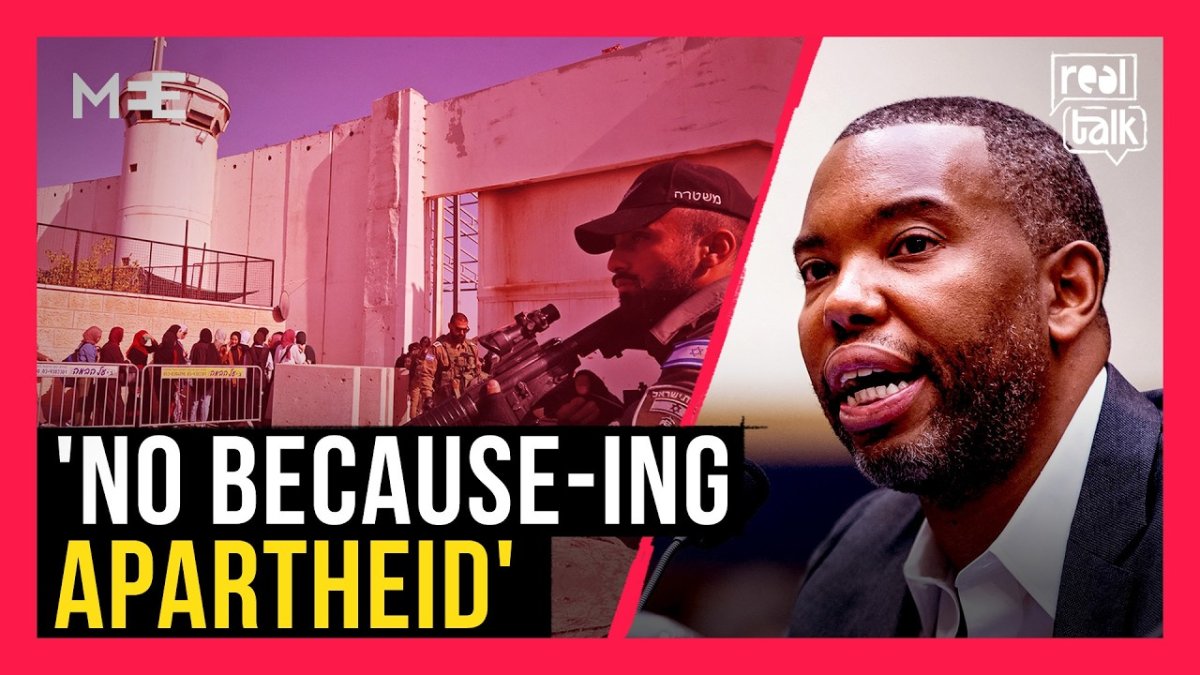
Ta-Nehisi Coates and the Moral Clarity of Witness
In a recent Middle East Eye report, Ta-Nehisi Coates discusses the core argument of his October 2024 book The Message, drawn from his May 2023 visit to the West Bank and East Jerusalem. The National Book Award-winning author describes how direct observation left him with an unambiguous conclusion about systems of separation and control. Coates spent time with Breaking the Silence, an organization of former Israeli soldiers who document their service in the occupied territories. His account centers on the daily mechanics of movement restrictions, settlement expansion, and the separation wall rather than abstract debate.
A Journey Through the West Bank
Coates traveled through East Jerusalem and multiple West Bank locations in May 2023. He observed the concrete separation barrier that divides Palestinian communities from Israeli settlements and from each other. Checkpoints required permits for routine travel, with soldiers controlling passage between towns and villages. Settlements appeared as expanding residential and industrial zones on hilltops, connected by roads restricted to Israeli license plates. Former soldiers from Breaking the Silence described the operational routines of patrols, home searches, and curfews that shaped Palestinian movement. These details matched patterns documented over decades in the same areas, where families navigate permit systems and road closures as part of ordinary life.
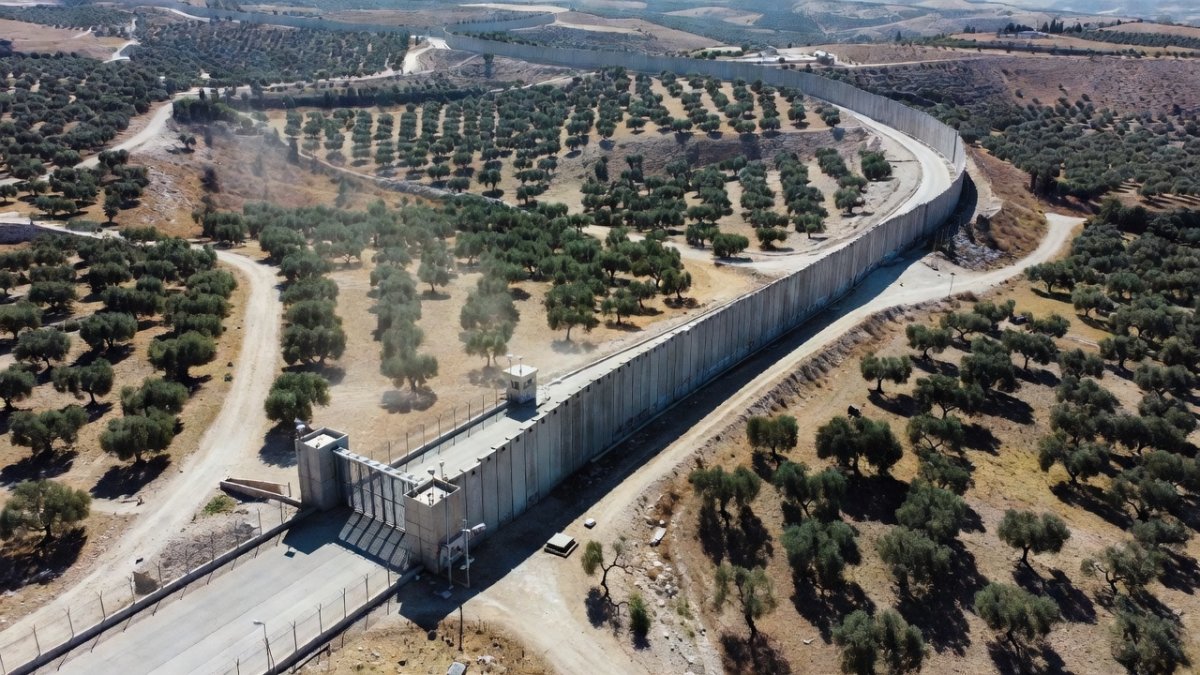
'There Is No Because': The Argument Against Justification
Coates states that apartheid systems contain no acceptable rationale. He uses the phrase there is no because to reject any security or historical claim offered as defense for permanent separation and unequal rights. In the Middle East Eye discussion, he draws from his earlier writing on American Jim Crow to argue that legal and physical domination of one population by another cannot be explained away by reference to past events or present threats. The position rests on the observation that the structures themselves—walls, permit regimes, settlement infrastructure—produce the conditions they claim to address. Coates presents this as a conclusion reached through direct comparison of lived conditions rather than theoretical framing.
International Law and the Apartheid Framework
Amnesty International, Human Rights Watch, and the Israeli organization B'Tselem have each published reports concluding that Israeli policies toward Palestinians meet the definition of apartheid under international law. These assessments examine land allocation, residency rights, movement controls, and access to resources across the West Bank, East Jerusalem, and Gaza. The organizations cite specific statutes and military orders that assign different legal statuses based on national identity. Coates references these findings to locate his personal observations within an established legal record. The reports document how the same infrastructure he encountered functions as a coherent system rather than temporary security measures.
Media Backlash and the Limits of Palestinian Solidarity
Following publication, Coates appeared on CBS and faced direct questioning from host Tony Dokoupil, who described the author's positions as extremist. The exchange focused on Coates refusal to frame the occupation through Israeli security concerns. Similar criticism appeared in other outlets, often centering on the author's decision to apply the term apartheid without additional qualifiers. Coates has noted that comparable language used about South African apartheid or American segregation did not generate equivalent demands for balance. The pattern illustrates the narrower range of acceptable discourse when Palestinian experiences are the subject.
Analysis and Implications
Coates account connects the physical layout of the West Bank to broader questions of how societies maintain unequal systems over time. The separation wall, checkpoint network, and settlement roads create measurable differences in travel time, land access, and economic opportunity between Palestinian and Israeli populations. These differences affect daily decisions about work, schooling, and family visits for residents of towns such as Hebron, Bethlehem, and Ramallah. By refusing to accept security justifications as sufficient, Coates aligns with the legal conclusions already reached by the cited human rights organizations. His intervention adds an American literary voice to existing Palestinian and Israeli documentation of the same conditions. The resulting discussion tests whether international standards applied elsewhere will be applied consistently to the Israeli-Palestinian context. Palestinian communities continue to navigate the documented restrictions while advocacy networks track policy developments that could alter or entrench the current arrangements.
By Fatima Al-Rashid, Staff WriterThis article was produced with AI-assisted research and editorial support. Reporting is based on sources cited in the article.
What's Your Reaction?
 Like
0
Like
0
 Dislike
0
Dislike
0
 Love
0
Love
0
 Funny
0
Funny
0
 Wow
0
Wow
0
 Sad
0
Sad
0
 Angry
0
Angry
0
Gulf/MENA Correspondent at Global1.News. Based in Doha, covering Gulf politics, energy markets, diplomacy, and development across the Middle East and North Africa. Tracks the economic transformation of the Gulf states.











Comments (0)