
Super El Niño 2026-27 Threatens Peru Fisheries and Amazon
The Pacific Ocean is sending unmistakable warnings. With a forecasted 82% chance of a Super El Niño emerging by mid-2026 and sea surface temperatures already reaching 4°C above normal off the coast of Peru, Latin America stands at the precipice of one of the most consequential climate events in decades. From the anchovy fisheries of Piura to the fire-prone frontiers of the Braz
The Pacific Ocean is sending unmistakable warnings. With a forecasted 82% chance of a Super El Niño emerging by mid-2026 and sea surface temperatures already reaching 4°C above normal off the coast of Peru, Latin America stands at the precipice of one of the most consequential climate events in decades. From the anchovy fisheries of Piura to the fire-prone frontiers of the Brazilian Amazon, the region's ecosystems, economies, and millions of livelihoods hang in the balance as governments scramble to prepare for what scientists warn could be a historic climate shock.
Super El Niño 2026-27 Threatens Peru Fisheries, Amazon, and Flood-Prone Coasts Across Latin America
São Paulo, Brazil — The Pacific Ocean is once again preparing to unleash one of its most powerful phenomena on Latin America. With an 82% chance of a Super El Niño emerging by mid-2026 and a 96% probability it will persist through the Northern Hemisphere winter of 2026-27, scientists are sounding urgent alarms. Sea surface temperature anomalies in the Niño 3.4 region could exceed +2°C to +3°C, with some models projecting conditions that rival the strongest events on record. Coastal Peru already shows SST anomalies reaching +4°C, while certain waters sit more than 7°C above average. NOAA’s Climate Prediction Center and NMME models both flag historic potential, echoing warnings that this event may surpass previous extremes in intensity and duration.
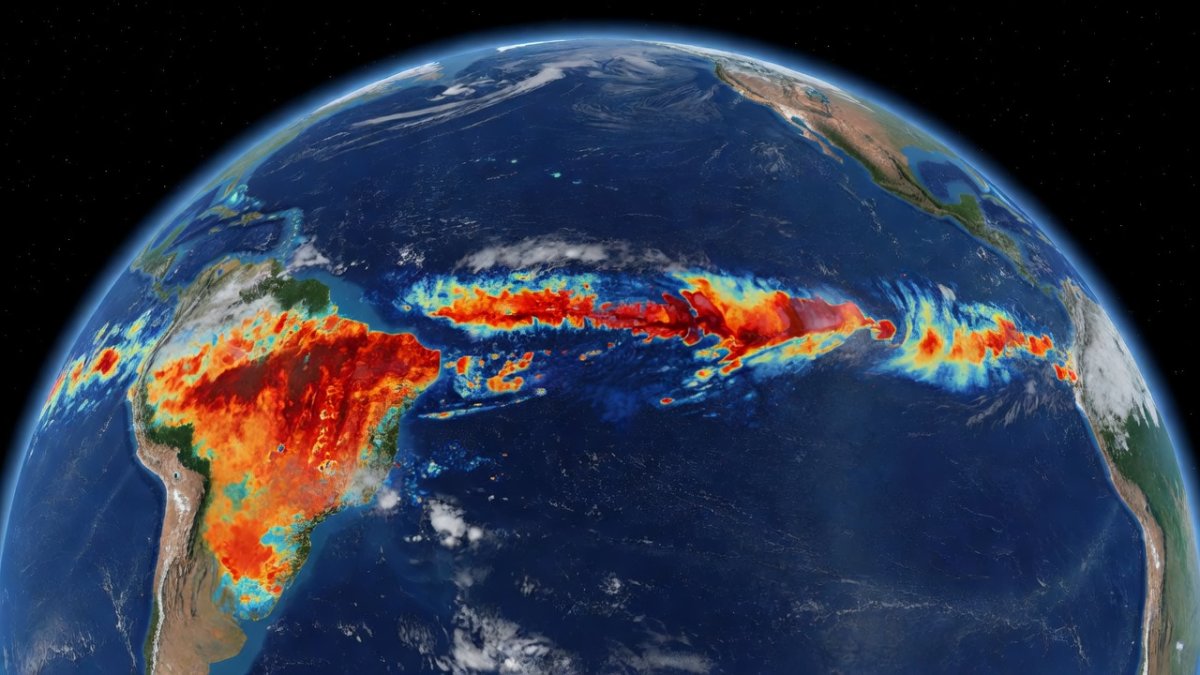
The data paints a stark picture for the entire region. Warmer waters disrupt normal atmospheric patterns, shifting rainfall dramatically. Peru and Ecuador face torrential rains while Brazil’s north and northeast endure severe drought. These shifts threaten ecosystems, economies and millions of livelihoods across South America. The last comparable Super El Niño in 1972-73 devastated Peru’s anchovy fishery, a precedent that now looms large as nations scramble to prepare. Early indicators suggest this cycle could be even more punishing because of the added stress of climate change, which amplifies both heat and rainfall extremes. Latin American governments are watching the ocean closely, knowing that every degree of warming in the Pacific translates into billions in losses on land.
The Pacific Is Sounding the Alarm
Forecasts from international and regional agencies converge on a single conclusion: a powerful El Niño is building. The 82% emergence probability by mid-2026 rises to 96% persistence through winter 2026-27. Temperature anomalies in the critical Niño 3.4 region may climb beyond +2°C to +3°C, placing this event among the strongest historically recorded. Already, coastal Peru registers +4°C anomalies, with pockets exceeding +7°C above the long-term mean. NOAA and NMME models highlight the historic potential, warning that nutrient-poor waters will spread rapidly along the South American coast. These changes will not remain confined to the ocean; they will reshape weather patterns from the Andes to the Amazon basin. Peru’s ENFEN commission projects the coastal El Niño will remain active until summer 2027, with peak strength through October 2026 and over 50% probability of strong conditions between July and November. The combination of extreme ocean heat and atmospheric instability sets the stage for cascading impacts on fisheries, agriculture and urban infrastructure across multiple countries. Latin America has experienced El Niño before, yet the scale now forecast demands unprecedented coordination.
Peru’s Anchovy Economy Under Siege
Peru’s fishing sector faces existential threat. ENFEN projects the coastal El Niño will stay active until summer 2027, remaining strong through October 2026 with greater than 50% probability from July to November. No effective anchoveta fishing season is expected in 2026, triggering “millonarias pérdidas.” Because 64% of Peru’s fishing exports depend on anchoveta for fishmeal and fish oil, the fallout will be severe. The Ministry of Production forecasts a 23% decline in anchovy catches for fishmeal between late 2026 and early 2027, with fishmeal exports potentially falling by up to 70%. In Piura, fishermen have already seen incomes drop as much as 96%. The Central Bank of Peru estimates the event could subtract up to two percentage points from national GDP. This mirrors the 1972-73 Super El Niño that famously collapsed the anchovy fishery. Warm, nutrient-poor waters force anchoveta to greater depths where purse-seine nets cannot reach them. Ports in Paita and throughout Piura, where communities depend on both fisheries and agriculture, will bear the brunt. Without immediate support, entire coastal economies risk prolonged contraction.
Brazil Braces for Flames: Operation Apoena
Brazil is mobilizing aggressively. In June 2026 Ibama launched Operation Apoena across seven states: Pará, Mato Grosso, Amazonas, Rondônia, Acre, Maranhão and Roraima. The operation enforces zero tolerance for unauthorized fires and mandates construction of firebreaks. Satellite remote sensing and real-time monitoring will trigger heavy administrative fines plus civil and criminal liability for violators. The Ministry of Environment under Marina Silva convened a “war meeting” with more than 120 meteorologists. Authorities hired a record 4,385 brigadistas, a 26% increase over 2024, and added seven new helicopters that boost aerial water-dropping capacity by 133%. The Amazon Fund has been expanded to finance firefighting in the Cerrado and Pantanal. Last year Brazil reduced burned area by 32% compared with the ten-year average, yet scientists warn that accumulated water deficits are drying vegetation across the Amazon and Pantanal. The current preparations reflect hard lessons from previous El Niño seasons, yet the scale of the looming threat requires sustained vigilance in every fire-prone municipality.
The Amazon at a Tipping Point
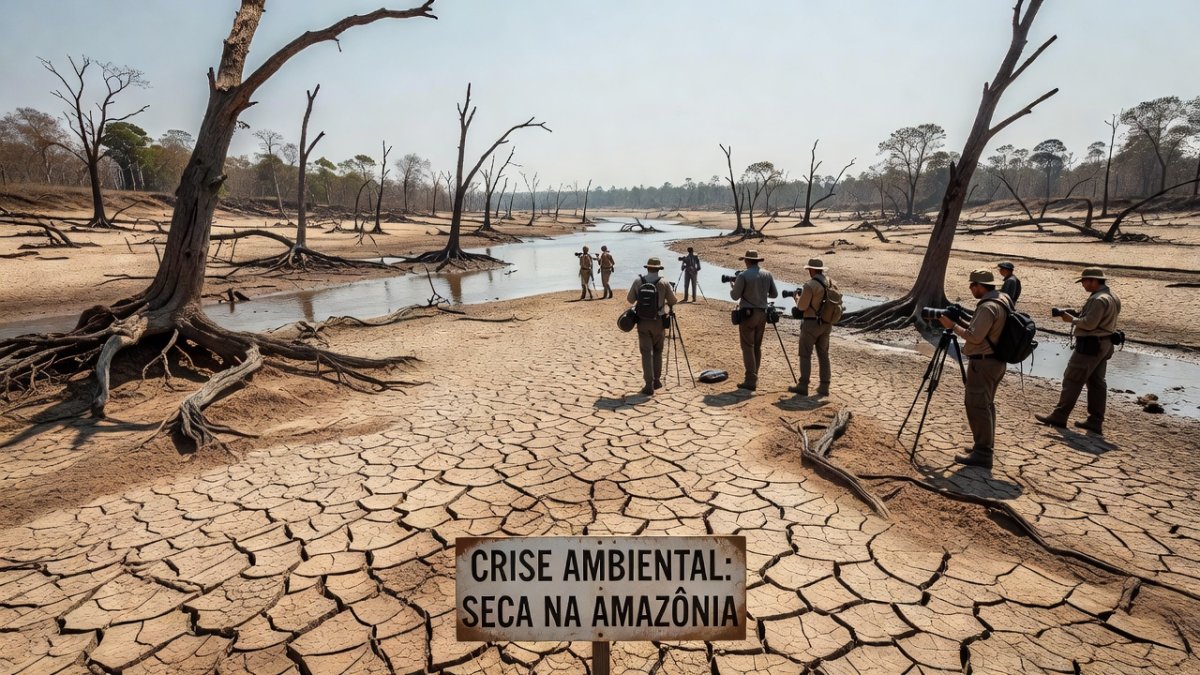
Researchers at the Universidade do Estado do Amazonas project moderate drought in major Amazon rivers during the coming El Niño. Ana Alencar of IPAM warns that another challenging fire season is likely as vegetation becomes increasingly flammable. Brazil’s meteorological institutes forecast drought across the North and Northeast, floods in the South and Southeast, and extreme heat in the Center-West. These regional contrasts will strain water supplies, agriculture and biodiversity simultaneously. The combination of higher temperatures and reduced rainfall threatens to push parts of the rainforest past critical thresholds. Communities in Belém and surrounding areas already report falling river levels that disrupt transport and fishing. Expanded resources for brigadistas and helicopters offer some protection, yet the underlying drying trend driven by both El Niño and climate change remains deeply concerning. Without rapid global emission reductions, future events will only intensify these pressures on the world’s largest rainforest.
Ecuador and the Coastal Flood Threat
Ecuador and coastal Peru both anticipate above-average rainfall, raising risks of flooding and landslides known locally as huaicos. While Ecuadorian authorities describe expected impacts for 2026-27 as moderate compared with severe past events, the margin for error remains slim. Heavy rains can overwhelm drainage systems in Guayaquil and smaller coastal towns, damaging roads, homes and crops. Landslides frequently isolate rural communities in the Andean foothills. Preparation measures include reinforced early-warning systems and pre-positioned emergency supplies. Still, the same ocean warming that benefits some fishing sectors in the short term will ultimately disrupt agriculture through soil erosion and infrastructure damage. Ecuador’s experience shows that even moderate El Niño rainfall can produce outsized economic losses when it arrives after prolonged dry periods that leave slopes unstable.
Agriculture and Food Security Across the Region
The Inter-American Development Bank urges early preparation in agriculture, water management and fire prevention. El Niño is expected to contribute to record or near-record global temperatures, increasing risks to soy, sugar, fisheries and other commodities. Food price volatility will hit low-income households hardest. In Brazil’s Center-West, extreme heat threatens soybean yields, while drought in the Northeast reduces corn and bean production. Peru’s coastal valleys face both flooding and later water shortages. Across Latin America, these overlapping shocks threaten regional food security and export revenues. Coordinated action on irrigation, crop insurance and supply-chain resilience can blunt some effects, yet the IDB stresses that delayed responses will multiply costs. Climate change is amplifying every extreme, making stronger heat, more intense rainfall and deeper drought the new baseline rather than the exception.
The Bottom Line — A Region on the Brink
Latin America stands at a critical juncture. The forecasted Super El Niño carries an 82% chance of emergence and 96% persistence through 2027, with ocean temperatures already signaling historic strength. Peru’s anchovy sector, Brazil’s Amazon and fire-prone states, and Ecuador’s coastal communities all face severe, interconnected threats. From Piura’s fishing ports to the rivers of Amazonas, the data demand immediate, sustained action. Strengthened institutions such as ENFEN, Ibama and the Ministry of Environment have expanded resources, yet success depends on translating forecasts into concrete protection for vulnerable populations. Climate change ensures that future El Niño events will be even more intense. The region must treat this looming crisis as a catalyst for long-term resilience rather than a temporary emergency. By Elena Vasquez, Staff Writer
This article was produced with AI-assisted research and editorial support. Reporting is based on sources cited in the article.
What's Your Reaction?
 Like
0
Like
0
 Dislike
0
Dislike
0
 Love
0
Love
0
 Funny
0
Funny
0
 Wow
0
Wow
0
 Sad
0
Sad
0
 Angry
0
Angry
0

Latin America Correspondent at Global1.News. Based in Mexico City, covering politics, economics, energy, and culture across the region. Brings an on-the-ground perspective to stories spanning from the Rio Grande to Patagonia.














Comments (0)