
State Department Shifts CDC Global Health Programs
The U.S. Centers for Disease Control and Prevention has long sent teams overseas to track outbreaks before they reach American shores. A recent shift announced by the administration hands much of that work to the State Department instead. The move scales back the CDC's direct role in many countries and places day-to-day decisions with diplomats rather than scientists. Why the C
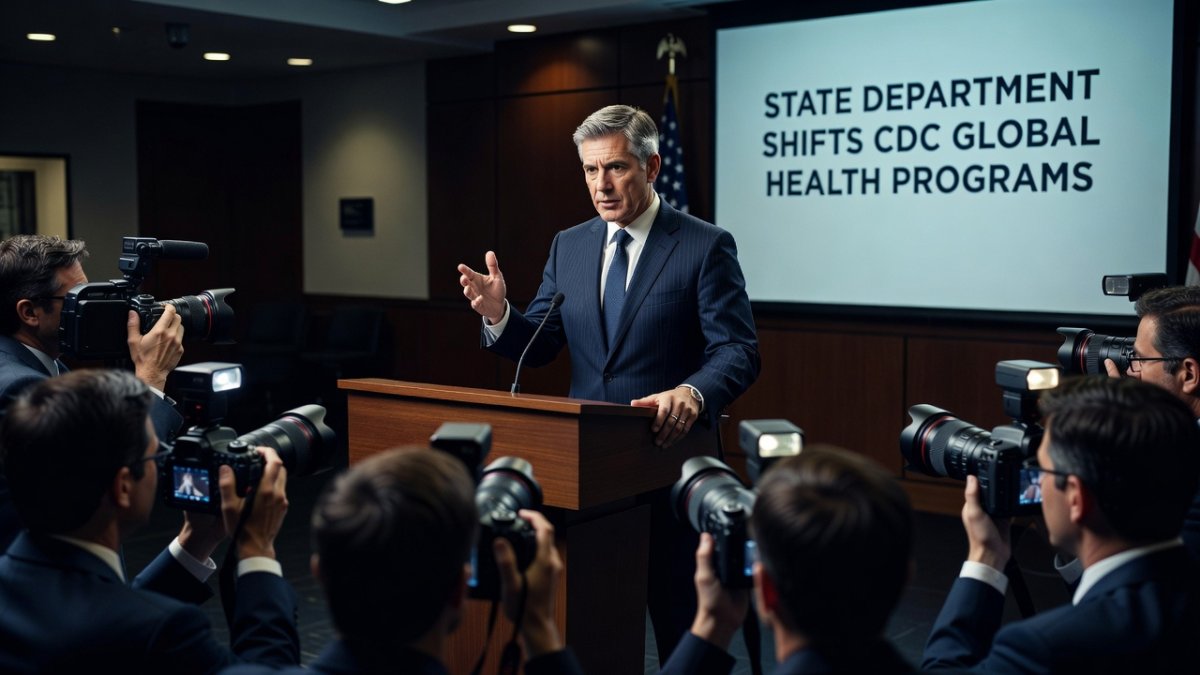
The U.S. Centers for Disease Control and Prevention has long sent teams overseas to track outbreaks before they reach American shores. A recent shift announced by the administration hands much of that work to the State Department instead. The move scales back the CDC's direct role in many countries and places day-to-day decisions with diplomats rather than scientists.
Why the Change Matters at Home
When a new virus emerges in another part of the world, early detection often starts with CDC staff embedded in local labs and ministries of health. Those teams help train local workers, set up testing networks, and share data quickly. Moving oversight to the State Department could slow that process because diplomats typically focus on policy and relations rather than lab work or field epidemiology. Everyday Americans benefit when outbreaks are caught early, whether the threat is a respiratory virus, drug-resistant bacteria, or another HIV surge.
Questions About Expertise
Critics point out that the State Department does not run disease surveillance programs or maintain the same network of field scientists. The CDC has decades of experience working inside national health systems in dozens of countries. Shifting control raises concerns that technical decisions about testing protocols, data standards, and outbreak response could be made by officials without that background. Public health groups have noted that this kind of expertise gap can lead to slower responses when timing is critical.
Real Effects on Ongoing Programs
Many CDC-supported projects focus on diseases that cross borders, such as monitoring HIV treatment success or spotting malaria resistance. These efforts rely on consistent data collection and rapid adjustments based on what field teams observe. When leadership moves to an agency whose primary mission is diplomacy, the risk is that health metrics receive less day-to-day attention. Communities in partner countries may see fewer training sessions or delayed equipment shipments, which in turn affects how quickly problems are identified and contained.
Broader Health Security Picture
Global disease work protects more than the countries where it happens. Strong surveillance abroad reduces the chance that an undetected pathogen arrives in U.S. airports or spreads through travel and trade. The CDC's model has emphasized building local capacity so countries can respond themselves, which ultimately lowers long-term costs and risks for everyone. Replacing that approach with a diplomatic lead could change priorities toward short-term political goals rather than sustained technical progress.
What Comes Next
Health organizations and former CDC staff are watching how the transition unfolds in practice. Clear lines of communication between the two agencies will be essential to avoid gaps in data sharing. For readers concerned about future pandemics or rising drug resistance, the key question is whether the new structure keeps the same speed and scientific rigor that has defined CDC work overseas for years. The outcome will shape how prepared the United States and its partners remain when the next health threat appears.
By Allan Ali, PublisherThis article was produced with AI-assisted research and editorial support. Reporting is based on sources cited in the article.
What's Your Reaction?
 Like
0
Like
0
 Dislike
0
Dislike
0
 Love
0
Love
0
 Funny
0
Funny
0
 Wow
0
Wow
0
 Sad
0
Sad
0
 Angry
0
Angry
0

Publisher of Global1.News. Automation architect, systems builder, and the guy making sure the truth gets published.












Comments (0)