
School principals are 'engineers' of last resort in flood-prone Philippines
In the flood-prone plains of Pampanga, where the Pampanga River swells with every rainy season, school principals like Willet Perez have become unexpected heroes. They improvise solutions to keep classrooms usable for children who dream of brighter futures despite the waters that threaten to wash away their opportunities. This reality hits close to home for families in barangay
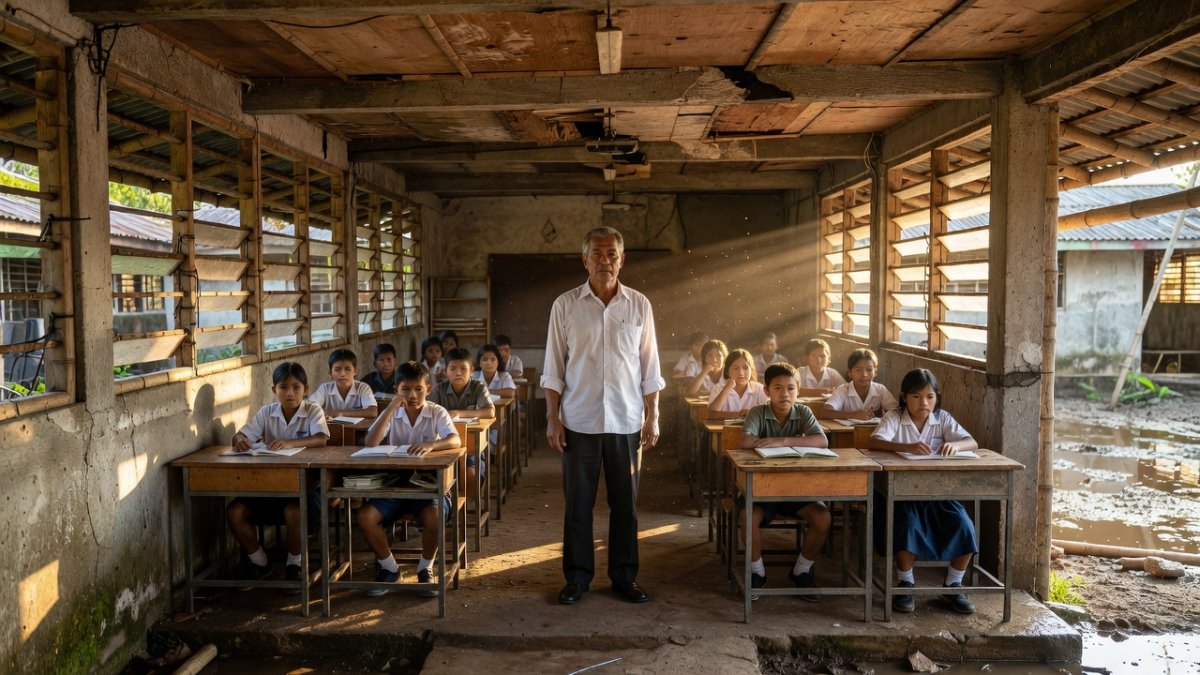
In the flood-prone plains of Pampanga, where the Pampanga River swells with every rainy season, school principals like Willet Perez have become unexpected heroes. They improvise solutions to keep classrooms usable for children who dream of brighter futures despite the waters that threaten to wash away their opportunities. This reality hits close to home for families in barangays across the province, where education remains a pathway out of hardship for many.
The Hobbit Houses of Masantol High School
At Masantol High School, classrooms tell a story of repeated battles against nature. Long before Willet Perez became principal five years ago, earlier leaders had started raising classroom floors to stay above floodwaters from the nearby Pampanga River. Each elevation round cost between P50,000 and P100,000 and offered about three years of relief before waters returned. By the time Perez arrived, some rooms had been lifted so many times that an adult could touch the ceiling with ease.
These low ceilings trap heat and limit fresh air, making long school days uncomfortable for students and teachers alike. Perez shared that the running joke among the community calls these spaces hobbit houses. Her regular five-year term as principal ended earlier this year, yet the challenges she faced continue to shape daily life for the school community in this part of Pampanga.
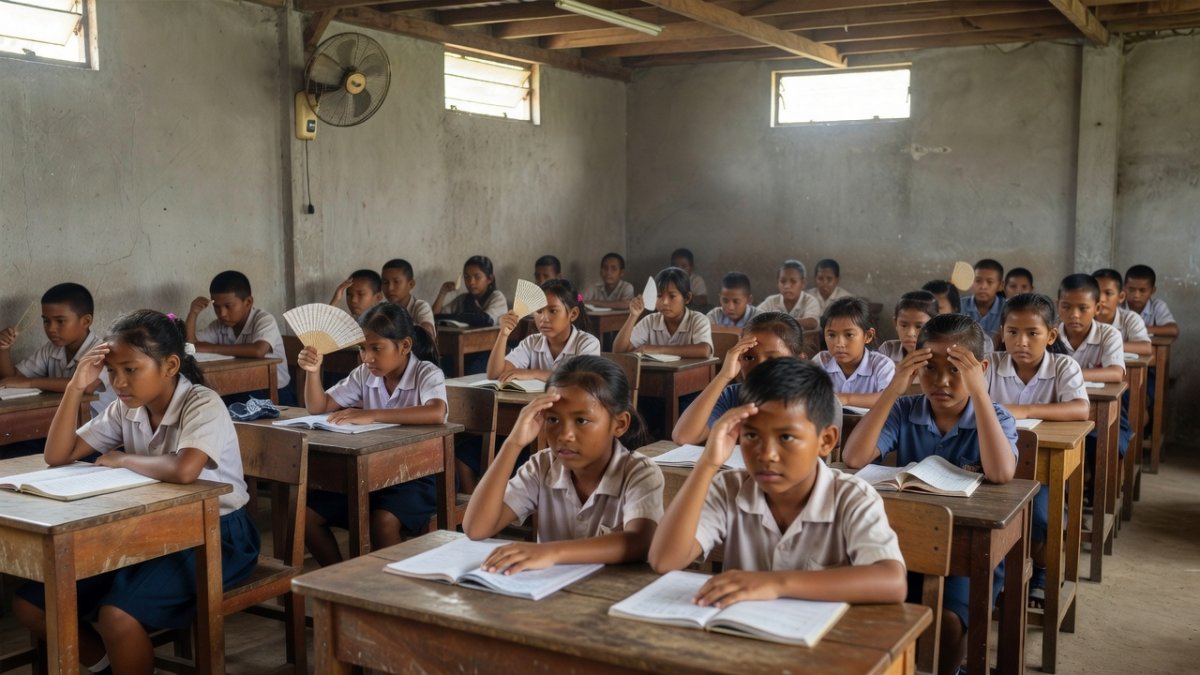
Ordinary families feel the effects most keenly. Children return home tired from stuffy rooms, and parents worry about health during the humid months. The spirit of bayanihan still lives here, as neighbors and teachers come together to find quick fixes when official help moves slowly.
Principals as Engineers of Last Resort
Across disaster-prone areas in the Philippines, principals spend as much time seeking repair funds and creating flood solutions as they do managing lessons. At Masantol and nearby San Vicente–San Francisco High School in Macabebe, just eight kilometers away, this pattern repeats. Both schools rank among the 108 public schools DepEd lists as flood-prone in Pampanga, a province with over 500 schools total.
Philstar.com visited these campuses in March during the dry season. Classrooms were back in use, but watermarks and unfinished repairs from the last rainy season remained visible. Former principal Perez noted that floor elevations happen after talks with DepEd's local physical facilities coordinator and disaster resilience focal person. The school also works closely with the local government unit to handle recurring floods.
Mark Alcazar of Multiply Ed, which tracks 90 schools nationwide with over 300 volunteer monitors across 19 divisions, observed that principals treat the school like their own home. Every school files an annual School Improvement Plan listing needs such as classroom repairs. Yet the approval process moves so slowly that principals often turn to their own fundraising and lobbying for faster results. Alcazar stressed that principals are not required to handle these tasks, but they step in because immediate solutions are essential for the children.
The Soaring Costs of Disaster Repairs
The nationwide expense of fixing classrooms damaged by storms, earthquakes, and floods has grown sharply. DepEd records show the cost rose from P8.76 billion in 2023 to P38.11 billion in 2025. Super Typhoon Uwan alone made up nearly a third of the 2025 figure. These numbers reflect real strain on public resources that could otherwise support teachers or learning materials.
DepEd budgets assume standard classroom designs. A totally destroyed classroom receives a flat P2.5 million for rebuilding. Major repairs get P500,000 and minor ones P49,000. This approach does not account for adjusted rooms like those at Masantol, where repeated elevations have changed the original dimensions.
Secretary Sonny Angara has noted that while DepEd has developed an elevated school building design, rolling it out nationwide right away would prove too costly. The gap leaves communities waiting while principals continue their resourceful efforts.
Broader Challenges Beyond DepEd
Former Education Secretary Edilberto de Jesus explained that the national classroom shortage has stayed around 165,000 since about 2009. Adding aging classrooms due for replacement and losses from disasters makes the true figure even larger. He pointed out that the issue has always extended past DepEd, even during his time leading the department.
School construction largely fell to the Department of Public Works and Highways before this year. De Jesus described the process as running into several structural problems and called it intrinsically difficult. It depends on coordination among agencies and can slow further due to right-of-way issues common in DPWH projects. Short tenures for education secretaries, averaging three years, have also limited follow-through on large infrastructure plans.
These coordination hurdles affect everyday life in Pampanga towns. Jeepney drivers and sari-sari store owners see fewer students passing by when classes face disruptions. The delays touch the heart of community life, where education supports the next generation of OFWs and local leaders.
Human Impact on Students and Families
Students in these flood-adjusted classrooms endure more than physical discomfort. Poor ventilation and trapped heat make concentration harder during lessons, especially in the warm Pampanga climate. Teachers work extra hours to keep spirits up, often drawing on the same bayanihan spirit that binds kapitbahay together during fiestas or crises.
Families feel the ripple effects. Parents in Macabebe and Masantol worry about their children's health and learning progress. When repairs lag, young people miss valuable school days that could open doors to better jobs or college opportunities. The pattern hits farming communities hardest, where every peso saved for education matters deeply.
Multiply Ed's monitoring shows this story repeats far beyond Pampanga. Where government action slows, principals pull every resource to protect the learning environment. Their dedication keeps hope alive for thousands of children who see school as a steady anchor amid seasonal floods.
Paths Forward for Resilient Schools
Communities in Pampanga continue to adapt with creativity and heart. Local government units play a key role alongside school leaders in planning for the next rainy season. The dedication of principals like Willet Perez reminds everyone that protecting education requires collective effort from barangay captains to national agencies.
While full nationwide solutions remain complex, small steps such as better coordination between DepEd and DPWH could ease burdens on frontline educators. Families across the province hold onto the belief that sustained attention to these issues will one day bring safer, more comfortable classrooms for all students.
The story of Masantol High School and similar schools underscores how ordinary Filipinos turn challenges into opportunities through resilience and care. Their efforts ensure that even in flood-prone areas, the light of learning continues to shine for the next generation.
By Bella Reyes, Staff WriterThis article was produced with AI-assisted research and editorial support. Reporting is based on sources cited in the article.
What's Your Reaction?
 Like
0
Like
0
 Dislike
0
Dislike
0
 Love
0
Love
0
 Funny
0
Funny
0
 Wow
0
Wow
0
 Sad
0
Sad
0
 Angry
0
Angry
0

Africa Correspondent at Global1.News. Based in Lagos, covering politics, business, technology, and culture across the continent. Focused on telling African stories beyond the headlines — the innovation, entrepreneurs, and communities shaping the region's future.













Comments (0)