
Japan Creates National Intelligence Bureau in Major Reform
Japan Creates National Intelligence Bureau in Major Reform Meta Description: Japan enacted a National Intelligence Bureau on May 27, 2026, replacing CIRO to centralize intelligence and counter disinformation and AI deepfakes. Keywords: Japan intelligence reform, National Intelligence Bureau, CIRO, information warfare, Prime Minister Takaichi, National Security Council, civil li
The Legislative Journey and Political Context
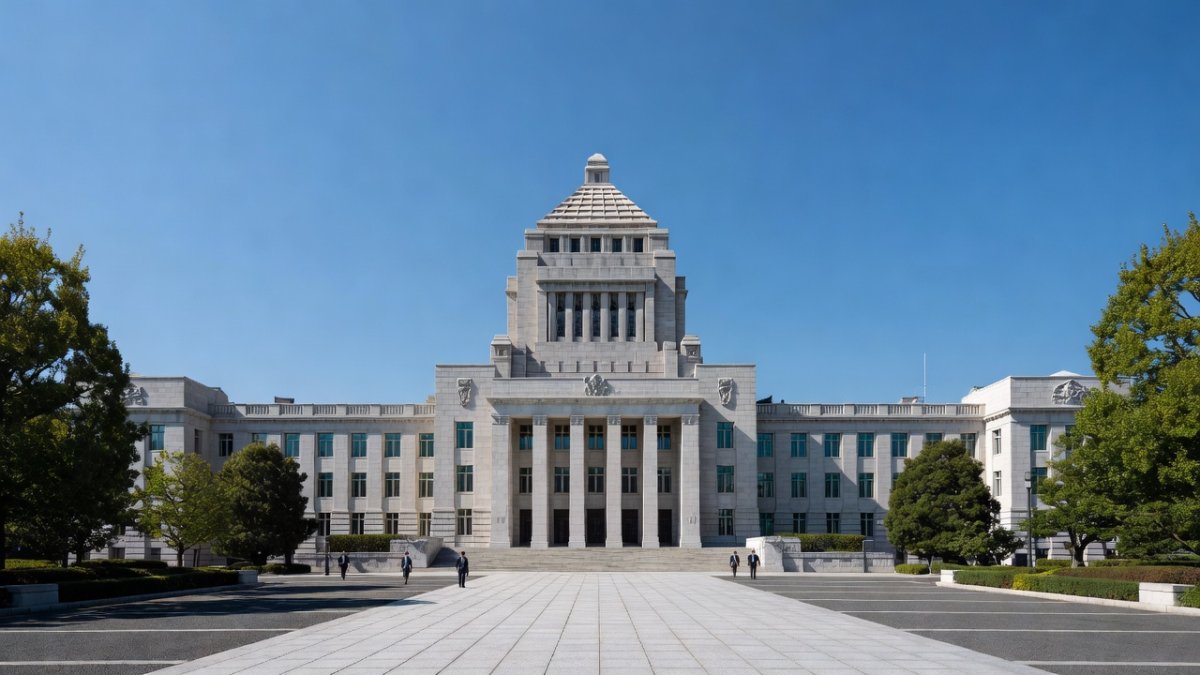
Japan's parliament enacted legislation on May 27, 2026, establishing the National Intelligence Bureau to replace the Cabinet Intelligence and Research Office. The bill cleared the Upper House with support from opposition parties after the ruling Liberal Democratic Party lacked a majority in that chamber. This cross-party backing proved essential for passage and reflected shared recognition of evolving security challenges. The measure creates a cabinet-level minister to oversee the new bureau, which will report directly to the Prime Minister.
The reform builds on earlier adjustments to Japan's security institutions, including the 2013 creation of the National Security Council. Prime Minister Takaichi has linked the intelligence changes to broader efforts that also include higher defense spending targets. Ministry of Foreign Affairs officials participated in drafting provisions that address coordination with diplomatic reporting channels, while the Ministry of Defense contributed assessments of military intelligence gaps.
NHK WORLD-JAPAN aired a video report on the development titled "Japan's new intelligence bureau to tackle information warfare," highlighting the shift from fragmented collection to centralized analysis. The legislation avoids immediate operational launch dates, instead setting a framework for phased establishment. Analysts note that the absence of an Upper House majority forced compromises on oversight language, which may shape future implementation timelines.
What the National Intelligence Bureau Will Do: Mandate and Structure
The National Intelligence Bureau is designed with approximately 700 personnel drawn from existing agencies. It will centralize collection and analysis previously scattered across the Cabinet Intelligence and Research Office, the Ministry of Defense's intelligence units, the National Police Agency's public security bureaus, and the Ministry of Foreign Affairs' diplomatic reporting streams. A cabinet-level minister will provide political direction while day-to-day operations remain under the Prime Minister's direct authority.
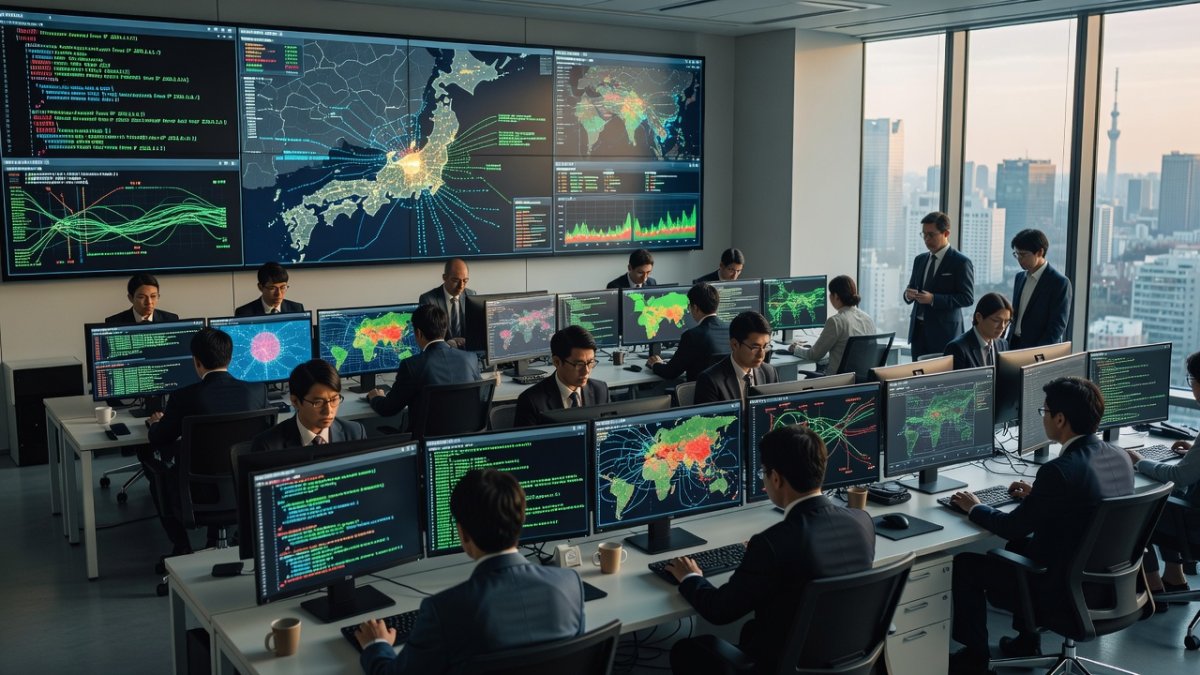
The bureau's mandate emphasizes countering information warfare, foreign disinformation campaigns, and AI-generated deepfakes. It will not replace the operational collection roles of the National Police Agency or the Ministry of Defense but will instead fuse their outputs with open-source and diplomatic material. Early planning documents indicate that the Digital Agency may supply technical support for detecting synthetic media, aligning with Society 5.0 goals of integrating digital infrastructure with security functions.
Implementation remains subject to further cabinet orders, and officials have avoided firm operational start dates. The structure seeks to address long-standing coordination shortfalls that limited the Cabinet Intelligence and Research Office since its 1986 establishment. Ministry of Defense sources have indicated that joint working groups will begin mapping data-sharing protocols once the bureau's leadership is appointed.
The Escalating Information Warfare Threat
Japanese officials have documented a steady rise in foreign influence operations targeting public discourse, election processes, and corporate decision-making. The National Intelligence Bureau is tasked with producing assessments that integrate signals from the Ministry of Foreign Affairs' overseas posts and the National Police Agency's domestic monitoring. Particular attention will focus on AI-generated content that mimics official statements or credible news outlets.
Ministry of Defense analysts have noted increased activity around defense industry supply chains and technology transfer issues. These developments coincide with Japan's updated National Security Strategy, which identifies information manipulation as a domain requiring dedicated capabilities. The new bureau will maintain liaison arrangements with the National Security Council secretariat to ensure assessments reach senior policymakers without delay.
NHK WORLD-JAPAN reporting emphasized that the threat environment now includes coordinated campaigns using deepfake video and synthetic audio. The legislation therefore includes provisions for technical standards that the Digital Agency is expected to help develop. While collection authorities remain unchanged, the fusion of existing streams is intended to shorten the time between detection and policy response.
Privacy, Oversight, and Civil Liberties Debates
Civil liberties organizations and constitutional scholars have questioned whether the National Intelligence Bureau's centralized access could expand surveillance without adequate checks. Critics point to the absence of an independent inspector general model found in some other democracies and have called for stronger parliamentary reporting requirements. The legislation includes language directing the cabinet-level minister to submit periodic summaries to relevant Diet committees.
Proponents argue that the bureau will operate within existing legal authorities held by the National Police Agency and the Ministry of Defense, without new domestic collection powers. Ministry of Justice officials have stated that any expansion of investigative techniques would require separate legislation. Constitutional scholars continue to debate whether the direct reporting line to the Prime Minister sufficiently insulates analysis from political pressure.
Public discussion has referenced the need for transparent data-handling rules, particularly when the bureau incorporates material from the Digital Agency's systems. Opposition parties secured amendments requiring annual public reports on the types of information warfare threats under examination, though the precise format of those reports awaits cabinet determination.
Transforming Japan's Security Architecture
The National Intelligence Bureau forms part of a wider reorganization of Japan's security institutions under Prime Minister Takaichi. Parallel steps include raising defense spending toward two percent of GDP and refining National Security Council procedures for crisis response. The Ministry of Defense has begun aligning its intelligence directorate with the new bureau's analytical priorities, while the Ministry of Foreign Affairs is reviewing how diplomatic reporting can feed into the centralized product.
These changes address coordination shortfalls that persisted after the 2013 National Security Council launch. The Cabinet Intelligence and Research Office's limited staff and lack of collection authority had constrained its ability to synthesize assessments across agencies. The new structure aims to produce daily and weekly products that directly support National Security Council meetings.
Ministry of Economy, Trade and Industry officials have also been consulted on protecting critical technology information, reflecting the intersection of economic security and intelligence requirements. Early planning suggests the bureau will maintain secure facilities within the Prime Minister's Office complex to facilitate rapid dissemination of assessments.
Asia Pacific and International Reactions
China's state media outlets criticized the legislation shortly after Upper House passage, framing it as an unnecessary escalation. Japanese officials have responded by emphasizing the defensive nature of the reform and its focus on information integrity rather than offensive operations. The Ministry of Foreign Affairs has conducted briefings for regional diplomatic missions to clarify the bureau's mandate.
FBI Director Kash Patel issued a statement in early May 2026 welcoming the initiative and noting potential for enhanced information sharing on transnational disinformation threats. Similar expressions of support have come from other Five Eyes partners, although formal liaison agreements will require further negotiation once the bureau is staffed.
Within the Asia-Pacific region, Australia and South Korea have expressed interest in future exchanges, particularly regarding election protection and synthetic media detection. The Ministry of Foreign Affairs plans to use existing trilateral and quadrilateral channels to explore these possibilities without committing to specific timelines.
Historical Sensitivity: Intelligence Reform in Postwar Japan
Postwar Japan has approached intelligence reform with caution because of the legacy of the Tokubetsu Kōtō Keisatsu, the prewar Special Higher Police. That organization's domestic surveillance activities remain a reference point for civil society groups evaluating any expansion of state information powers. The 1986 establishment of the Cabinet Intelligence and Research Office was itself designed to avoid recreating centralized domestic intelligence structures.
The current legislation attempts to thread this historical needle by limiting the National Intelligence Bureau to analysis and coordination rather than new collection authorities. Ministry of Justice briefings have stressed that existing warrants and oversight mechanisms for the National Police Agency remain unchanged. Constitutional scholars continue to examine whether the direct Prime Minister reporting line introduces new risks of politicization.
Public education efforts by the government have highlighted differences between the proposed bureau and prewar institutions, pointing to Diet oversight provisions and the absence of secret police functions. These explanations have not fully assuaged all critics, and further debate is expected during the appointment process for the cabinet-level minister.
What to Watch For in the Coming Months
Attention now turns to the appointment of the cabinet-level minister and the bureau's initial leadership team. The legislation requires these positions to be filled before operational planning can advance significantly. The Ministry of Defense and the National Police Agency are expected to second senior analysts to help establish working procedures.
Further cabinet orders will clarify data-sharing protocols with the Digital Agency and the Ministry of Foreign Affairs. Observers will also monitor whether the government publishes the annual threat summary mandated by the legislation. NHK WORLD-JAPAN and other outlets are likely to track these developments closely given the sensitivity of intelligence reform.
International engagement will provide another indicator of progress. Early technical discussions with the FBI and other partners may begin once leadership is in place, although formal agreements remain subject to separate negotiations. The overall timeline for full operational capability continues to depend on budgetary and personnel decisions still under review.
By Kenji Tanaka, Staff Writer
This article was produced with AI-assisted research and editorial support. Reporting is based on sources cited in the article.
What's Your Reaction?
 Like
0
Like
0
 Dislike
0
Dislike
0
 Love
0
Love
0
 Funny
0
Funny
0
 Wow
0
Wow
0
 Sad
0
Sad
0
 Angry
0
Angry
0

Japan Correspondent at Global1.News. Tokyo-based voice covering Japanese politics, technology, economy, and culture. Tracks the intersection of tradition and innovation in one of the world's most dynamic societies.















Comments (0)