
Senate Opens Special Session to Advance Social Protection Bills as Leadership Battle Intensifies
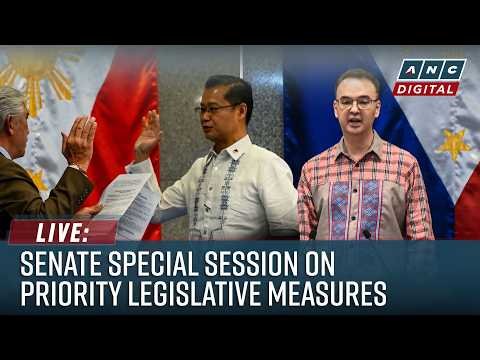
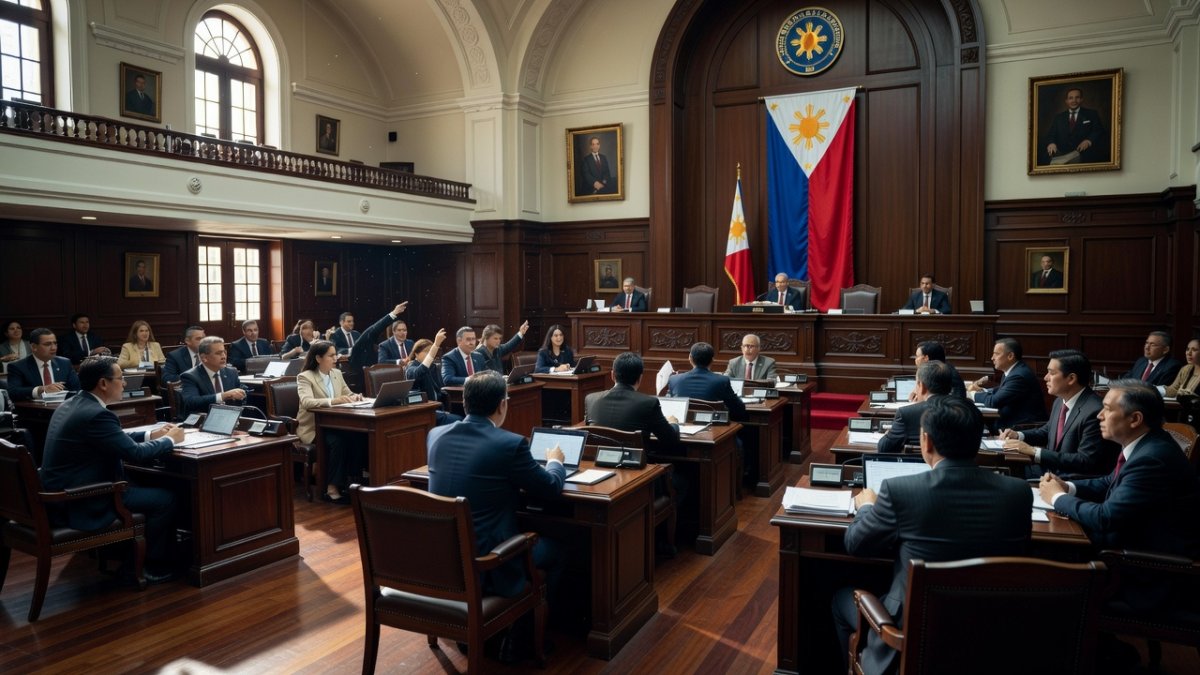
In a recent ANC 24/7 report, the Senate of the Philippines opened its special session today under Proclamation No. 1318, with senators gathering in the session hall in Manila to address urgent legislative priorities amid ongoing energy challenges and natural disasters affecting communities across the country. Senate Opens Special Session on Wednesday to Advance Social Protectio
Senate Opens Special Session on Wednesday to Advance Social Protection Bills as Leadership Battle Intensifies Manila, June 17, 2026 —
Proclamation No. 1318 Forces Congress Back to Work
President Ferdinand Marcos Jr. issued Proclamation No. 1318 through Acting Executive Secretary Ralph Recto on June 15, directing both the Senate and the House of Representatives to end their recess early. The order targets fast action on five key measures that directly touch the lives of families in barangays from Quezon City to Davao City. Lawmakers received the call just two days before the session, leaving little time for preparation but underscoring the administration's focus on immediate relief for households hit by rising power costs and recent typhoons.
The move bypasses the usual calendar and places the burden on senators to deliver results in one day. Acting Senate President Sherwin Gatchalian, elected during the June 3 rump session, urged full attendance so the chamber could process long-delayed bills without further delay.
Priority Bills Target Crisis Aid, Seniors, and Students
The Assistance to Individuals in Crisis Situations Act would institutionalize cash and service support for Filipinos facing medical emergencies or sudden loss of income. In recent months, the Department of Social Welfare and Development has already processed thousands of requests from families in Cebu and Baguio whose breadwinners lost jobs after power outages. Passing the measure would remove the need for yearly budget insertions and give barangay officials clearer guidelines for distribution.
The National Center for Geriatric Health bill creates a dedicated facility in Manila to train specialists and expand outpatient services for senior citizens. With the Philippine Statistics Authority reporting more than 9 million Filipinos aged 60 and above, the center would ease pressure on existing hospitals in Metro Manila and serve as a model for similar units in regional centers like Cagayan de Oro.
Amendments to the Government Assistance to Students and Teachers in Private Education Act and the Universal Access to Quality Tertiary Education Act aim to increase subsidies for private-school students and expand free tuition coverage. Students from provinces such as Iloilo and Zamboanga del Sur who rely on these programs would see steadier funding streams, reducing dropout risks when family remittances from OFWs fluctuate.
Commission on Appointments Set to Confirm Key Posts
The Commission on Appointments will also meet during the special session to act on dozens of pending nominations for Cabinet positions, military promotions, and foreign service posts. These confirmations affect the day-to-day operations of agencies that deliver services in far-flung areas, from Philippine National Police units in the Cordillera to agricultural attaches supporting farmers in Mindanao.
Failure to confirm these appointments would leave critical posts vacant and slow down programs already approved in the national budget. Senators from both major blocs have signaled willingness to move the confirmations forward regardless of the leadership contest.
Leadership Impasse Between Gatchalian and Cayetano Takes Center Stage
The session doubles as a test of strength between Acting Senate President Sherwin Gatchalian and Senator Alan Peter Cayetano. Gatchalian assumed the role after the June 3 rump session, while Cayetano and eight allies filed an 87-page petition with the Supreme Court on June 16 seeking to nullify the election. The petition asks for a Status Quo Ante Order, citing procedural questions under Senate rules.
Senator Panfilo Lacson referenced the 1949 Avelino v. Cuenco Supreme Court ruling during floor remarks, reminding colleagues that past leadership disputes were settled through internal voting rather than external intervention. Attendance records from today will show which bloc commands the numbers needed to control committee assignments and floor schedules for the rest of the year.
Human Impact Reaches Families, Seniors, and Students Nationwide
Behind the procedural moves lie concrete effects on ordinary citizens. A tricycle driver in Quezon City waiting for medical assistance under the proposed AICS Act could receive faster processing once the law passes. A retired teacher in Davao City needing specialized geriatric care would gain access to services currently concentrated in Metro Manila. A working student in Baguio whose scholarship depends on GASTPE amendments would avoid choosing between tuition and daily meals.
These outcomes matter because the measures address gaps that existing programs have not fully closed. Energy price spikes this year have already forced some households in coastal towns to cut food budgets, while natural disasters continue to displace families in the Visayas. Passing the bills now would provide statutory backing that survives changes in annual appropriations.
Political Analysts See Session as Turning Point for Upper Chamber
Observers note that the one-day session forces senators to choose sides through their presence and votes. Cayetano has drawn attention for likening his situation to that of Ninoy Aquino, a comparison that has sparked debate on social media and in sari-sari stores across the capital. The outcome will shape how the Senate handles remaining measures before the next regular session begins.
With the House having already passed its versions of the priority bills, the Senate's actions today determine whether the measures reach the President's desk before the current recess period ends. Any delay would push final approval into the third quarter, affecting budget execution for programs that communities in provinces like Batangas and Negros Occidental have already planned around.
The special session therefore carries weight beyond its single-day schedule. It tests whether the upper chamber can separate legislative work from internal power struggles while delivering results that touch daily life in every region.
By Bella Reyes, Staff WriterThis article was produced with AI-assisted research and editorial support. Reporting is based on sources cited in the article.
What's Your Reaction?
 Like
0
Like
0
 Dislike
0
Dislike
0
 Love
0
Love
0
 Funny
0
Funny
0
 Wow
0
Wow
0
 Sad
0
Sad
0
 Angry
0
Angry
0

Philippines/Southeast Asia Correspondent at Global1.News. Manila-based journalist covering Philippine politics, environment, maritime security, and social issues. Passionate about marine conservation and the communities protecting the Philippines' natural heritage.










Comments (0)