
Northern Ontario Wildfires Force Evacuations Amid Heat
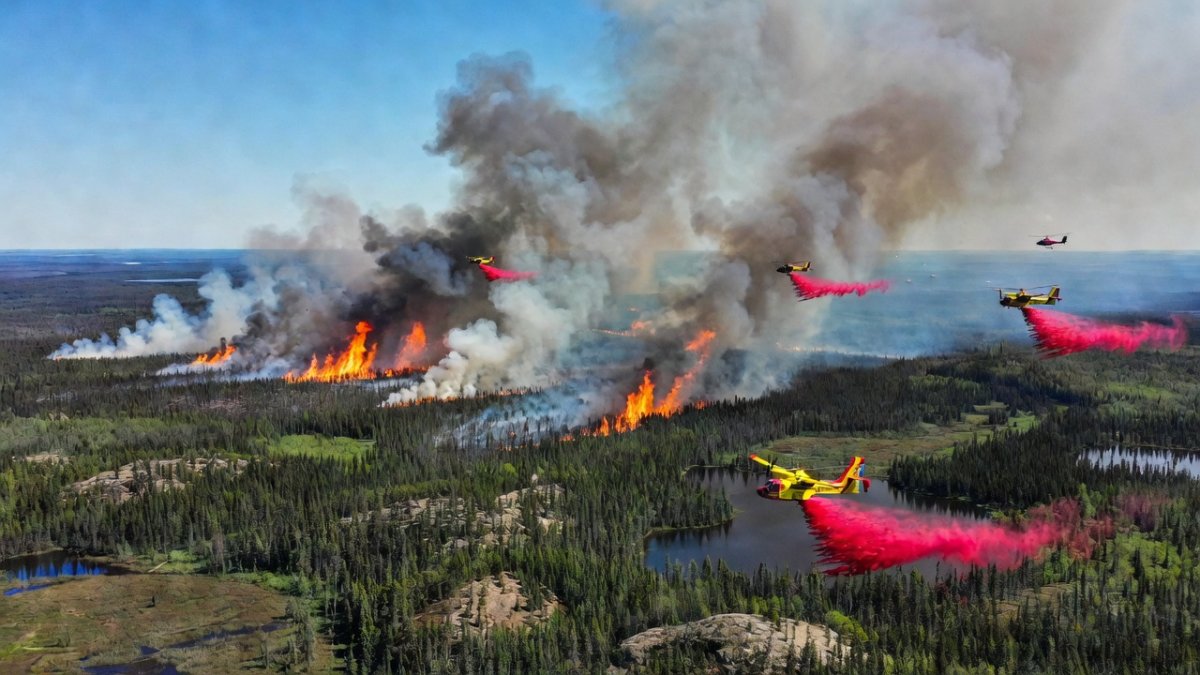
Residents across several communities in northwestern Ontario are facing urgent evacuation orders as forest fires continue to advance. The situation has prompted coordinated responses from provincial authorities, with clear directions to move south toward Thunder Bay for safety.
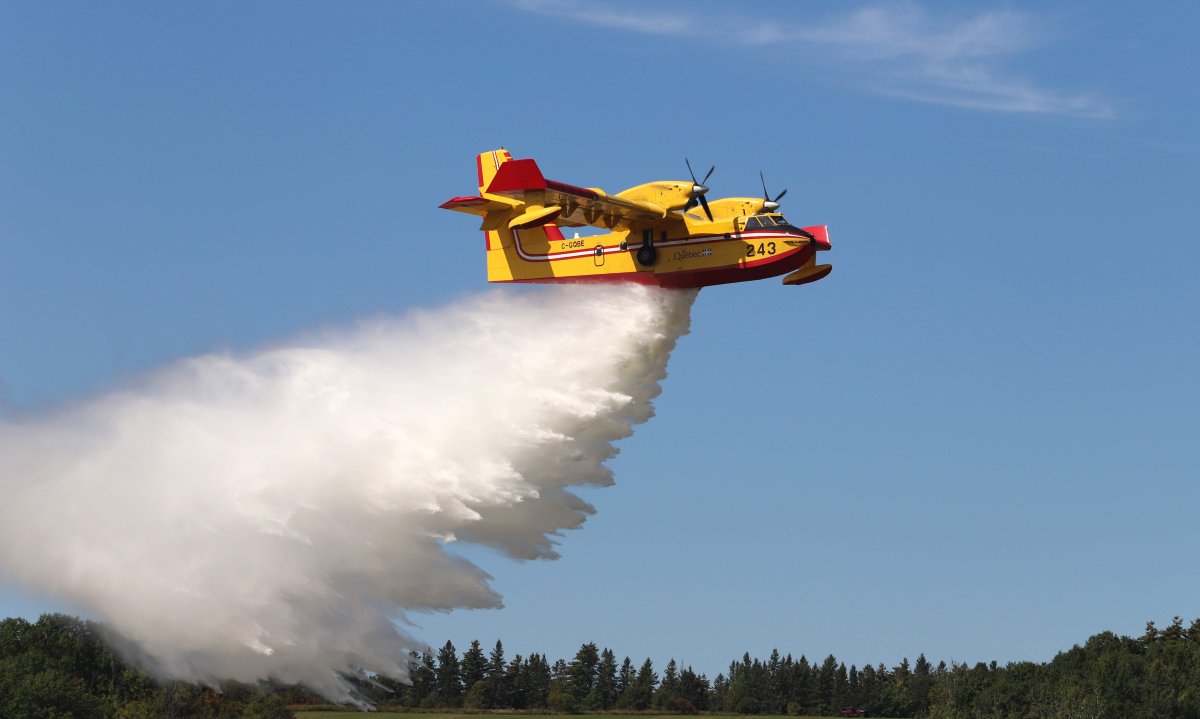
Residents across several communities in northwestern Ontario are facing urgent evacuation orders as forest fires continue to advance. The situation has prompted coordinated responses from provincial authorities, with clear directions to move south toward Thunder Bay for safety.
Evacuation Orders in Northwestern Ontario
The Ontario Provincial Police have communicated through social media channels that formal evacuation orders are active for Armstrong, Cushing Lake, Collins First Nation, Whitesand First Nation, and Lac des Mille Lacs First Nation. These directives require immediate departure from the affected areas to reduce exposure to advancing flames and dense smoke.
Emergency Management Ontario has reinforced the message by issuing alerts that stress the need to head south to Thunder Bay. This measured approach reflects standard Canadian protocols for wildfire response in remote northern regions, where rapid changes in fire behaviour can occur due to wind and terrain.
Authorities continue to monitor conditions closely without overstating the speed of containment efforts. The focus remains on ensuring residents have time to relocate safely while support systems in Thunder Bay prepare to receive those displaced.
Communities Under Immediate Threat
Armstrong and Cushing Lake represent key population centres now subject to mandatory evacuation. Nearby First Nations communities, including Collins First Nation, Whitesand First Nation, and Lac des Mille Lacs First Nation, face the same requirements, highlighting the widespread reach of the current fires across both municipal and Indigenous lands.
The geography of northwestern Ontario, with its dense boreal forests and limited road networks, adds complexity to any large-scale movement of people. Residents are being asked to follow designated routes to avoid congestion and ensure emergency vehicles can operate effectively.
Local knowledge of these areas plays an important role in how families organise their departures, particularly for those with ties to traditional territories. The orders acknowledge the need for orderly exits that respect community structures.
Heat Warnings Intensify the Situation
Environment Canada has placed much of northern Ontario under a severe heat warning. Forecasters anticipate daytime highs reaching 36 C, with the humidex pushing the felt temperature to 40 C in many locations.
Such extreme heat accelerates the drying of forest fuels and increases the likelihood of rapid fire spread. Canadian wildfire agencies have long recognised that prolonged high temperatures combined with low humidity create conditions favourable for larger blazes, a pattern observed across multiple provinces in recent seasons.
The current warning aligns with broader trends in Canadian climate monitoring, where northern regions experience amplified effects. Residents evacuating are advised to account for heat stress during travel, especially when transporting vulnerable family members or pets.
Guidance from Emergency Officials
The Ontario Provincial Police continue to provide updates via social media, directing those under order to leave promptly and proceed to Thunder Bay. Emergency Management Ontario has echoed this advice, emphasising personal preparedness and safe travel practices.
Officials have not provided firm timelines for when residents might return, consistent with the cautious language required when fires remain active. This approach allows flexibility as conditions evolve and new information becomes available from on-the-ground assessments.
Support services in Thunder Bay are expected to coordinate reception efforts, though specific operational details remain limited to what has been publicly shared. The emphasis stays on clear communication to prevent confusion during the movement of people.
Preparing for Potential Further Evacuations
In addition to the mandatory orders, the OPP has advised residents in Ignace, Crystal Lake, and the Highway 633 area to prepare for possible evacuation. This pre-emptive step allows households to gather essential items and arrange transportation in advance.
Such readiness measures reflect standard Canadian emergency management practices that aim to reduce last-minute pressure on roads and services. Families are encouraged to review personal plans, secure important documents, and identify meeting points if separation occurs during travel.
The distinction between current orders and preparatory alerts helps prioritise resources while keeping the public informed. Updates will continue as fire behaviour and weather patterns are analysed by provincial agencies.
Impact on First Nations Communities
The inclusion of Collins First Nation, Whitesand First Nation, and Lac des Mille Lacs First Nation among the evacuated areas underscores the particular challenges faced by Indigenous communities during wildfires. Displacement can disrupt cultural practices, access to traditional lands, and community cohesion.
Canadian emergency responses increasingly recognise the need for culturally appropriate support during evacuations. Coordination between provincial bodies and First Nations leadership helps address these considerations while prioritising physical safety.
Longer-term recovery for these communities will depend on the duration of the displacement and the availability of resources once the immediate threat subsides. The current focus remains on safe relocation and ongoing communication.
Tags: Ontario wildfires, northern Ontario, evacuation, forest fires, First Nations, Armstrong Ontario, Collins First Nation, thunder bay, emergency management ontario, climate crisis, Environment Canada, OPP, Canada
By Alex Thompson, Staff Writer
This article was produced with AI-assisted research and editorial support. Reporting is based on sources cited in the article.
What's Your Reaction?
 Like
0
Like
0
 Dislike
0
Dislike
0
 Love
0
Love
0
 Funny
0
Funny
0
 Wow
0
Wow
0
 Sad
0
Sad
0
 Angry
0
Angry
0

Canada Correspondent at Global1.News. Based in Toronto, covering Canadian politics, energy, trade, and US-Canada relations. Provides the Canadian perspective on North American and global affairs.















Comments (0)