
Erdoğan Honors Srebrenica Victims: Ankara's Balkan Push
President Recep Tayyip Erdoğan's annual commemoration of the Srebrenica genocide goes far beyond a diplomatic gesture of solidarity with Bosnia's Bosniak community. It represents a carefully calibrated instrument of Turkish foreign policy — one that reinforces Ankara's neo-Ottoman outreach in the Balkans, positions Erdoğan as a defender of Muslim causes on the world stage, and
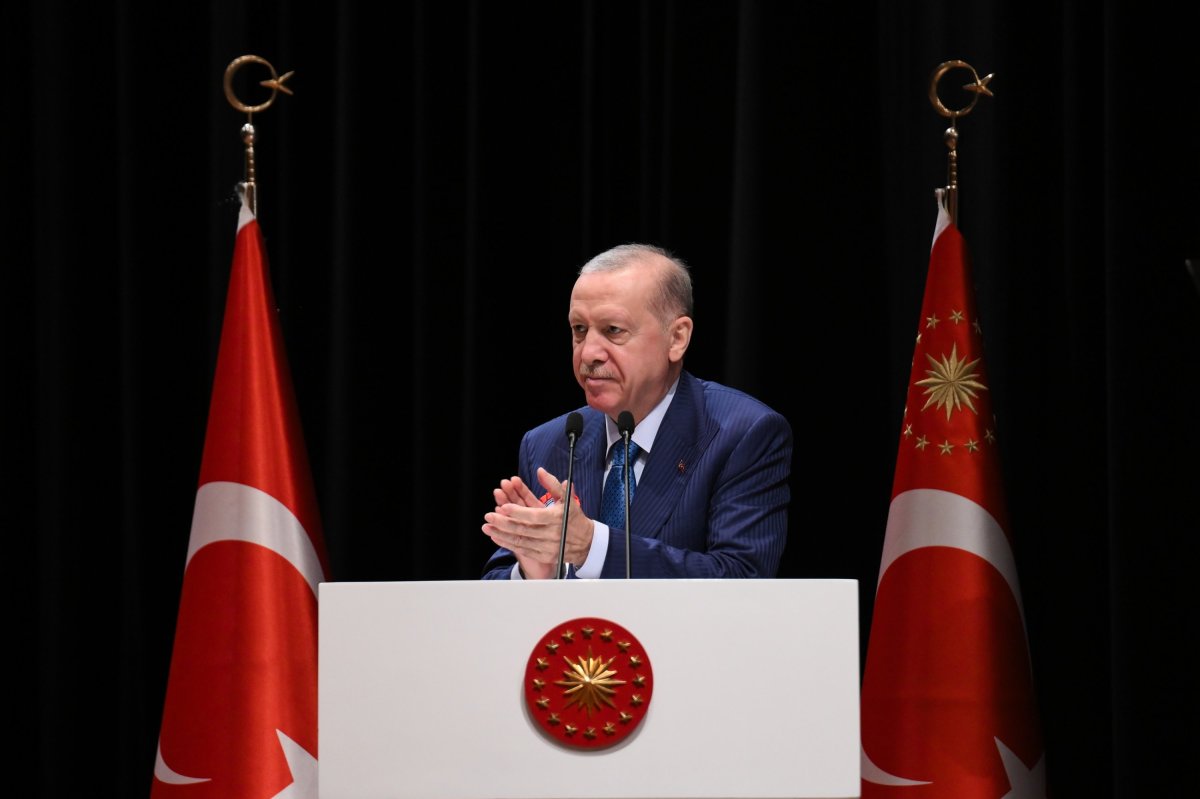
President Recep Tayyip Erdoğan's annual commemoration of the Srebrenica genocide goes far beyond a diplomatic gesture of solidarity with Bosnia's Bosniak community. It represents a carefully calibrated instrument of Turkish foreign policy — one that reinforces Ankara's neo-Ottoman outreach in the Balkans, positions Erdoğan as a defender of Muslim causes on the world stage, and places Turkey in direct competition with both Russia and Western powers for influence in a region that has historically shifted between empires.
Erdoğan Commemorates Srebrenica Genocide Anniversary
Beirut, Lebanon – July 12, 2026 —
Historical Background of the 1995 Massacre
The Srebrenica events of July 1995 remain Europe’s worst mass atrocity since World War II. Bosnian Serb forces under General Ratko Mladić overran the United Nations-designated safe area, resulting in the systematic killing of more than 8,000 Bosniak Muslim men and boys. Dutch peacekeepers were unable to prevent the takeover, and an estimated 25,000 to 30,000 civilians were expelled. The International Criminal Tribunal for the former Yugoslavia and the International Court of Justice later classified the killings as genocide. Forensic work continues, with nearly 7,000 victims identified and reburied at the Potočari memorial cemetery.
Erdoğan’s Annual Message and Turkish Position
President Recep Tayyip Erdoğan used the 31st anniversary to restate Türkiye’s commitment to remembrance. In his social media statement he described the massacre as one of the most brutal genocides in history and extended condolences to the families of the victims. Türkiye has consistently backed international recognition of the genocide and participated in annual ceremonies. This year’s event included the burial of ten newly identified victims and carried the theme “We Are Here,” underscoring survivor resilience.
Neo-Ottoman Foreign Policy in the Balkans
Ankara’s engagement with Bosnia and Herzegovina forms part of a broader effort to rebuild influence in territories that once belonged to the Ottoman Empire. Turkish officials maintain regular high-level contacts with Bosnian leaders and support cultural and educational projects aimed at Bosniak communities. These steps serve both symbolic and practical purposes: they reinforce historical narratives of shared heritage while creating institutional channels that can be activated during political crises in the region.
Erdoğan’s Role as Defender of Muslim Causes
By publicly honoring Srebrenica victims, Erdoğan positions Türkiye as a reliable advocate for Sunni Muslim populations facing historical grievances. This stance resonates domestically and among diaspora communities. It also differentiates Turkish policy from that of many European states, which have sometimes hesitated to apply the genocide label consistently. The approach aligns with Ankara’s wider pattern of highlighting Muslim suffering in Palestine, Syria, and elsewhere, thereby consolidating support among conservative constituencies at home.
Implications for EU-Turkey Relations
Turkish activism in the Balkans intersects directly with Brussels’ enlargement agenda. The European Union seeks to anchor Bosnia and Herzegovina within its orbit to prevent instability on its southeastern flank. Ankara’s parallel diplomatic and economic presence creates both cooperation and friction. While joint projects on infrastructure exist, differences over recognition of historical atrocities and approaches to governance reform occasionally surface. EU member states remain divided on how far to accommodate Turkish preferences in accession talks.
Great Power Competition in the Balkans
The Balkans constitute a secondary but visible arena of competition involving Türkiye, Russia, and Western institutions. Moscow maintains close ties with Serb political structures and has questioned the genocide designation at times. Western powers emphasize NATO and EU integration as stabilizing mechanisms. Türkiye offers an alternative model that combines economic investment, religious affinity, and historical legitimacy. This triangular dynamic affects everything from energy corridors to security assistance programs, with each actor seeking to limit the others’ leverage.
Strategic Calculus and Second-Order Effects
Erdoğan’s Srebrenica statements serve multiple objectives simultaneously. They strengthen bilateral bonds with Sarajevo, signal resolve to domestic audiences, and remind European capitals that Türkiye retains independent channels in the region. Over time, sustained Turkish engagement could influence voting patterns inside Bosnian institutions and affect the pace of constitutional reforms demanded by the EU. Conversely, overreach risks provoking pushback from both Serb entities and Brussels, potentially complicating Ankara’s own economic recovery efforts.
Outlook for Regional Stability
Continued Turkish involvement in Bosnian affairs is likely to remain calibrated rather than expansive. Ankara lacks the resources for large-scale military or financial commitments comparable to those of the EU or NATO. Instead, it will probably emphasize symbolic gestures, educational exchanges, and selective infrastructure projects. The effectiveness of this approach will depend on domestic political stability in Türkiye and the trajectory of EU enlargement negotiations. For now, the annual Srebrenica commemoration provides a low-cost yet visible platform for projecting influence without direct confrontation with other powers.
By Malik Hassan, Staff WriterThis article was produced with AI-assisted research and editorial support. Reporting is based on sources cited in the article.
What's Your Reaction?
 Like
0
Like
0
 Dislike
0
Dislike
0
 Love
0
Love
0
 Funny
0
Funny
0
 Wow
0
Wow
0
 Sad
0
Sad
0
 Angry
0
Angry
0

Middle East Correspondent at Global1.News. Based in Beirut, covering politics, conflict, energy, and society across the Middle East. Brings context and depth to a region often reduced to headlines.











Comments (0)