
Ronaldo Leads Portugal Past Croatia in World Cup Thriller
The electric hum of vuvuzelas echoed across Toronto Stadium as South African fans glued to SuperSport feeds celebrated Portugal's dramatic 2-1 victory over Croatia, a result that reignited World Cup dreams and offered vital lessons for Bafana Bafana's AFCON campaign. From the Soweto stands of the PSL to grassroots pitches nurtured by SAFA, this clash between footballing giants
The electric hum of vuvuzelas echoed across Toronto Stadium as South African fans glued to SuperSport feeds celebrated Portugal's dramatic 2-1 victory over Croatia, a result that reignited World Cup dreams and offered vital lessons for Bafana Bafana's AFCON campaign. From the Soweto stands of the PSL to grassroots pitches nurtured by SAFA, this clash between footballing giants reminded us of the passion that unites nations. With Ronaldo marching on and Modric waving farewell amid VAR storms, the match delivered pure theatre under the Canadian lights.
Ronaldo's Knockout Fire Ignites Portugal's World Cup Survival as Ramos Steals Glory in VAR Mayhem
Toronto — 3 July 2026 — In a pulsating round-of-32 encounter that will live long in World Cup folklore, Portugal overcame Croatia 2-1 thanks to a late Goncalo Ramos header and a controversial VAR intervention that denied Josko Gvardiol a dramatic equaliser. The match at Toronto Stadium featured four disallowed goals, a record for the tournament, and showcased the enduring brilliance of Cristiano Ronaldo, who scored his first World Cup knockout goal from the penalty spot. Luka Modric, at 40, likely played his final international match as Croatia's captain, leaving the field with tears in his eyes after a resilient display.
Atmosphere at Toronto Stadium — the Portuguese community in Toronto
The Toronto Stadium pulsed with vibrant energy as thousands of Portuguese expatriates, many with deep roots in Canada's immigrant communities, waved red and green flags under the summer sun. Families gathered early, sharing pastéis de nata and singing fado-inspired chants that blended seamlessly with the roar of the crowd, creating an atmosphere reminiscent of the passionate Soweto derbies between Kaizer Chiefs and Orlando Pirates. The air was thick with anticipation, the scent of grilled chorizo mixing with Canadian craft beer, as supporters from Lisbon to the Azores islands filled the stands in a sea of Ronaldo jerseys.
Local Toronto Portuguese clubs had organised pre-match parades through the city streets, drawing parallels to how South African fans travel en masse for PSL clashes or Bafana Bafana qualifiers. Children kicked makeshift balls in the parking lots, their dreams fueled by the same grassroots spirit that SA Sports Ministry initiatives aim to nurture back home. The stadium's acoustics amplified every cheer, turning the venue into a cauldron of noise that drowned out the distant hum of Toronto traffic.
As kick-off approached, the Portuguese community’s unity shone through, with elders recounting tales of Euro 2016 triumphs while younger fans debated tactical setups. This multicultural melting pot mirrored South Africa's diverse football culture, where transformation efforts by SAFA seek to bridge communities through the beautiful game. The electric vibe set the stage for a contest that transcended borders.
Match build-up — two footballing giants, Ronaldo vs Modric generation clash
Portugal and Croatia entered this World Cup clash as established giants, each boasting a rich history of defying expectations on the global stage. Ronaldo, the ageless phenomenon still chasing that elusive World Cup glory at 41, faced off against Modric, the midfield maestro whose vision has defined Croatia's golden generation. The generational clash was palpable, with Portugal's youthful exuberance pitted against Croatia's seasoned resilience forged in back-to-back World Cup semi-final runs.
Tactical previews highlighted Roberto Martinez's high-pressing system against Zlatko Dalic's compact 4-3-3, a setup that had frustrated many opponents. Ronaldo's presence loomed large, his penalty-taking prowess and aerial threat central to Portugal's plans, while Modric's ability to dictate tempo from deep remained Croatia's heartbeat. Historical context added weight, as both nations had reached the knockout stages consistently since 2016, echoing the competitive spirit seen in South Africa's own AFCON battles.
Pre-match press conferences buzzed with questions about retirements and legacies, much like the scrutiny faced by Bafana Bafana coaches during qualification campaigns. The build-up underscored football's power to unite, drawing parallels to how PSL teams like Mamelodi Sundowns prepare meticulously for continental challenges. Fans worldwide tuned in via SuperSport, eager for a spectacle that promised drama and skill.
First half analysis — Portugal dominance, Neto crosses, Livakovic saves, Croatia's compact shape
Portugal asserted early dominance in the first half, controlling possession and probing Croatia's defensive lines with relentless width. Pedro Neto emerged as the standout threat, tormenting Ivan Perisic with his direct runs and delivering a barrage of whipped crosses that tested Dominik Livakovic's reflexes time and again. The Croatian goalkeeper pulled off several sharp saves, denying Bruno Fernandes from close range after a clever cut-back from Rafael Leao, showcasing the tactical discipline that has made Croatia a knockout specialist.
Croatia maintained a compact shape, sitting deep and relying on quick transitions through Martin Baturina and Ante Budimir, though Ruben Dias's physical duels neutralised much of their threat. Portugal's midfield, anchored by the tireless efforts of players like Joao Palhinha, dictated the tempo, creating half-chances that highlighted their superior technical quality. Historical echoes of Portugal's 2016 Euros triumph resonated, where similar patience yielded rewards.
The half ended goalless despite Portugal's superiority, a testament to Croatia's organisation and Livakovic's heroics. This period offered tactical lessons for South African coaches, reminding them of the value of set-piece drills akin to those in the MultiChoice Diski Challenge. The intensity built steadily, setting up a second half of fireworks.
Second half drama — Perisic goal 53', Croatia's best spell, Ronaldo offside 61', Leao hits bar 58'
Croatia seized the initiative early in the second half, capitalising on a swift counter to take the lead through Ivan Perisic in the 53rd minute. Josip Stanisic's precise cross found Perisic unmarked at the back post, where he controlled and fired low past Diogo Costa, igniting wild celebrations among the Croatian supporters. This spell saw Dalic's side ramp up the pressure, with Petar Sucic and the substitute Igor Matanovic creating opportunities that tested Portugal's backline.
Portugal responded with renewed vigour, Leao crashing a thunderous 25-yard effort against the crossbar in the 58th minute, while Ronaldo saw a goal disallowed for offside shortly after. The momentum swung wildly, reflecting the high-stakes nature of World Cup knockout football and the resilience required, much like Bafana Bafana's gritty performances in AFCON qualifiers against formidable African sides.
Croatia's compact midfield frustrated Portugal's advances temporarily, but the Portuguese bench stirred with intent. This phase underscored the importance of adaptability, a key takeaway for PSL teams like Orlando Pirates aiming for domestic and continental success through structured training programs supported by SAFA.
Penalty controversy and Ronaldo's moment — Livakovic backpass error, Vlasic hand on Veiga, Ronaldo slots
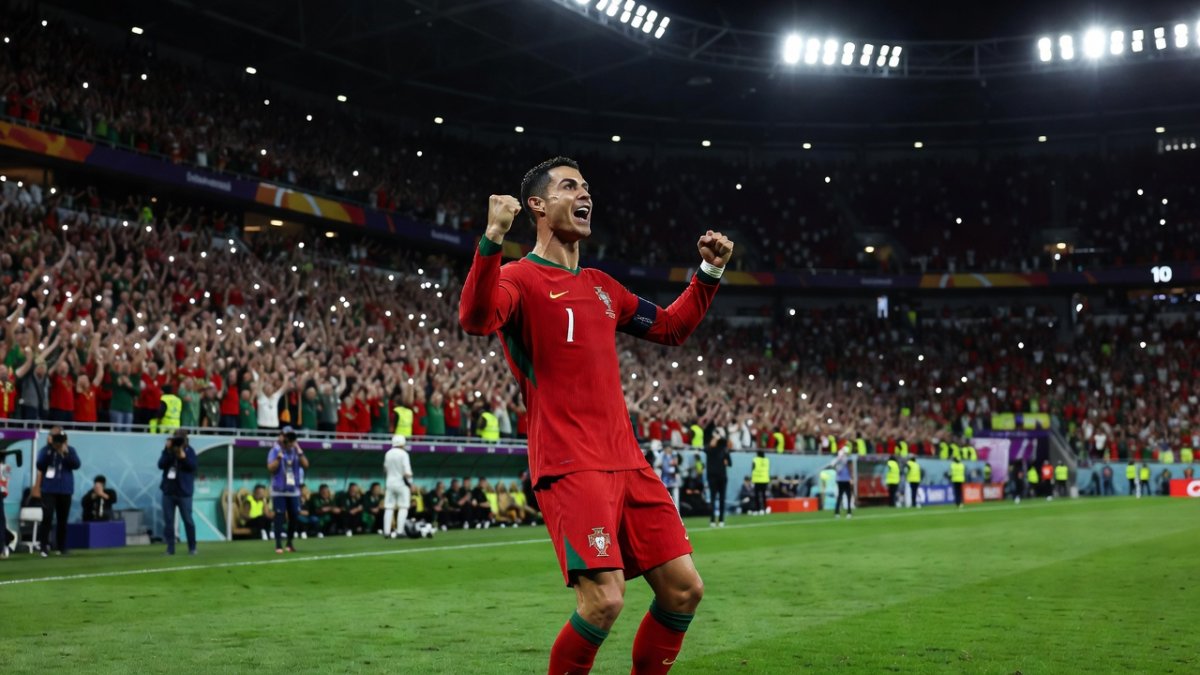
The game's turning point arrived when Livakovic's casual backpass handling gifted Portugal a corner, leading to a handball incident involving Nikola Vlasic on Joao Veiga that referee Espen Eskas awarded after VAR consultation. Ronaldo stepped up with characteristic composure, slotting the penalty into the bottom corner for his first World Cup knockout goal, a moment that electrified the Portuguese faithful and silenced critics of his longevity.
This controversy highlighted the fine margins in elite football, where split-second decisions can alter legacies. Ronaldo's celebration, a trademark leap and roar, embodied the passion that resonates with South African fans who admire his dedication, drawing comparisons to local heroes who overcome adversity in the PSL.
(Global 1 News)
The penalty shifted the psychological balance, forcing Croatia onto the defensive. Martinez's decision to substitute Ronaldo later in the 82nd minute for Ruben Neves added intrigue, preserving the star for future rounds while underscoring squad depth. Such moments provide rich material for analysis in SA grassroots development programs.
Ramos winner — Leao cross, Ramos header 90+4', bench eruption
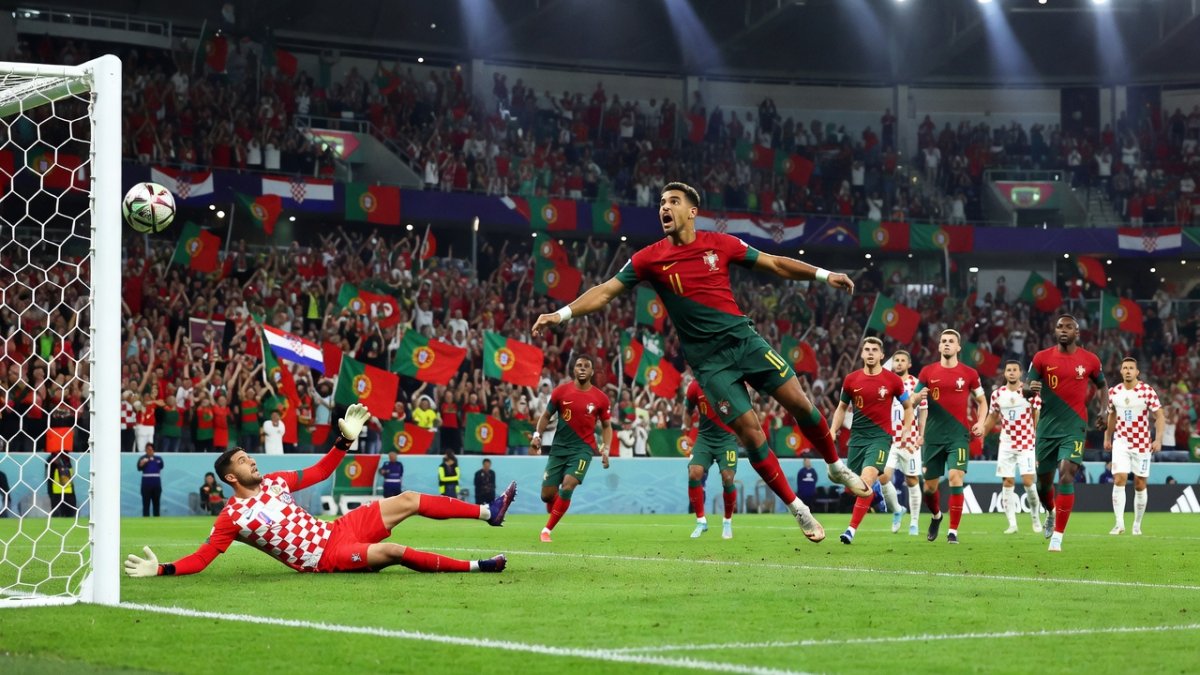
With the clock ticking into added time, Rafael Leao delivered a pinpoint cross from the left that Goncalo Ramos met with a glancing header, sending the ball into the net and sparking pandemonium on the Portuguese bench. Ramos, introduced as a substitute, became the unlikely hero, his clinical finish securing Portugal's passage to the round of 16 against Spain.
The eruption of joy from the sidelines mirrored the celebrations seen after key PSL victories, where underdogs rise to the occasion. Leao's assist showcased his dribbling wizardry, a skill set that inspires young South African talents nurtured through SAFA's transformation initiatives.
(Global 1 News)
This late drama encapsulated the tournament's unpredictability, offering tactical insights into set-piece execution that could benefit Bafana Bafana's preparations. The win propelled Portugal forward with renewed belief.
VAR storm — 4 disallowed goals, Snicko controversy, Gvardiol heartbreak, Dalic furious
The match will be remembered for its unprecedented VAR interventions, with four goals disallowed in a World Cup record, culminating in Josko Gvardiol's last-minute strike being ruled out via Snicko technology after a faint touch by Igor Matanovic. Referee Jarred Gillett's recommendation led to the on-field review, leaving Croatia heartbroken and Dalic visibly furious on the touchline.
This technological drama raised questions about the balance between accuracy and flow in the game, a debate familiar to South African audiences following contentious decisions in Soweto derbies. The heartbreak for Gvardiol, a Manchester City star, added emotional depth to Croatia's exit.
Portugal's relief was palpable, but the controversy lingered as a talking point for global football governance. Such incidents highlight the need for transparent officiating, lessons that SA Sports Ministry could apply in local leagues.
Modric farewell vs Ronaldo continues — two legends diverge
As Modric trudged off the pitch, likely for the final time at a World Cup, his 40-year-old frame carried the weight of a legendary career defined by elegance and leadership. In contrast, Ronaldo's journey continues, his penalty goal and substitution underscoring a career still burning bright on the biggest stage.
The divergence of these icons symbolised football's eternal cycle, inspiring reflections on longevity that resonate with South African sports figures who mentor the next generation through PSL academies. Modric's farewell evoked the emotion of Bafana Bafana veterans passing the torch.
Ronaldo's persistence offers hope and motivation, much like local stars who extend their careers to uplift grassroots programs across the nation.
South African perspective — SuperSport audience, PSL lessons, SAFA, transformation, grassroots
From the comfort of South African living rooms, SuperSport viewers absorbed every moment, drawing parallels between this epic and the high-tempo battles in the PSL involving Kaizer Chiefs, Orlando Pirates, and Mamelodi Sundowns. The match reinforced the importance of mental resilience, a trait SAFA has emphasised in its transformation agenda to diversify coaching staffs and player pathways.
Grassroots development received a boost in visibility, as young fans inspired by Ronaldo and Modric aspire to emulate their heroes on MultiChoice Diski Challenge pitches. SA Sports Ministry initiatives could learn from Portugal's depth and Croatia's organisation to elevate Bafana Bafana's AFCON prospects.
This global spectacle underscored football's unifying power in South Africa, fostering community engagement and investment in youth programs that promise a brighter future for the sport.
What to watch for — Portugal vs Spain, tournament path, AFCON lessons for Bafana Bafana
Portugal's round-of-16 clash with Spain promises another Iberian thriller, with tactical battles between Martinez's setup and Luis de la Fuente's side likely to captivate audiences. The tournament path ahead demands squad rotation and set-piece mastery, elements that could inform Bafana Bafana's strategies in upcoming AFCON qualifiers.
Lessons from this encounter, including handling VAR pressure and late drama, offer valuable insights for SAFA's coaching education programs. PSL teams stand to benefit from studying Portugal's attacking transitions.
As the World Cup unfolds, South African fans remain hopeful that these narratives will translate into domestic success and greater investment in grassroots football nationwide.
By Dante Williams, Staff WriterThis article was produced with AI-assisted research and editorial support. Reporting is based on sources cited in the article.
What's Your Reaction?
 Like
0
Like
0
 Dislike
0
Dislike
0
 Love
0
Love
0
 Funny
0
Funny
0
 Wow
0
Wow
0
 Sad
0
Sad
0
 Angry
0
Angry
0

Breaking News and Investigations Correspondent at Global1.News. Based in London, covering global breaking news, security, and investigative stories. Known for digging deeper and connecting the dots across continents.










Comments (0)