
Kew AI Digitization Shields Latin America Biodiversity
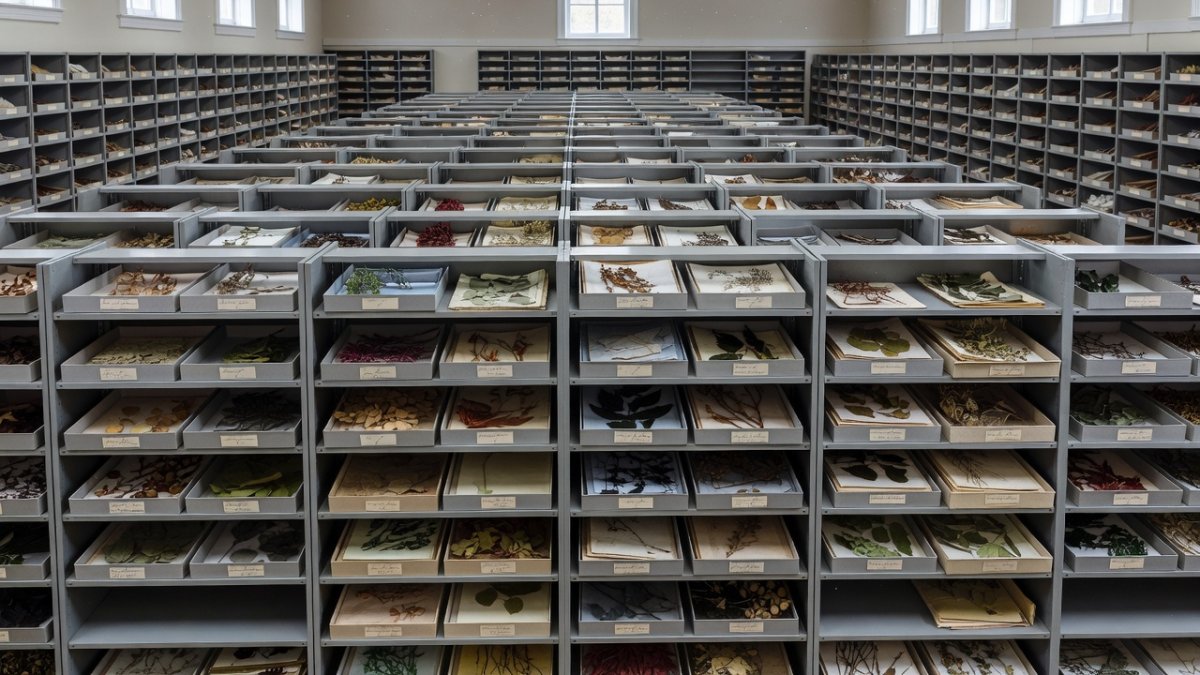
At London's Royal Botanic Gardens, Kew, millions of preserved plant and fungi specimens are being digitised and analysed with artificial intelligence to map the scale of biodiversity loss. Scientists estimate around 45 percent of flowering plants face extinction, threatening food production, carbon storage and broader ecosystem resilience across the globe. For Latin America, ho
At London's Royal Botanic Gardens, Kew, millions of preserved plant and fungi specimens are being digitised and analysed with artificial intelligence to map the scale of biodiversity loss. Scientists estimate around 45 percent of flowering plants face extinction, threatening food production, carbon storage and broader ecosystem resilience across the globe. For Latin America, home to 10 percent of Earth's species in the Amazon alone, this technological breakthrough arrives not a moment too soon.
AI Meets the Amazon: Digitising the Planet's Last Great Library of Life
London, United Kingdom — Brasília, Brazil, June 17, 2026 — The global biodiversity crisis hits Latin America hardest, where the Amazon basin holds 10 percent of all species on Earth yet faces relentless assault.
The Numbers Behind the Crisis
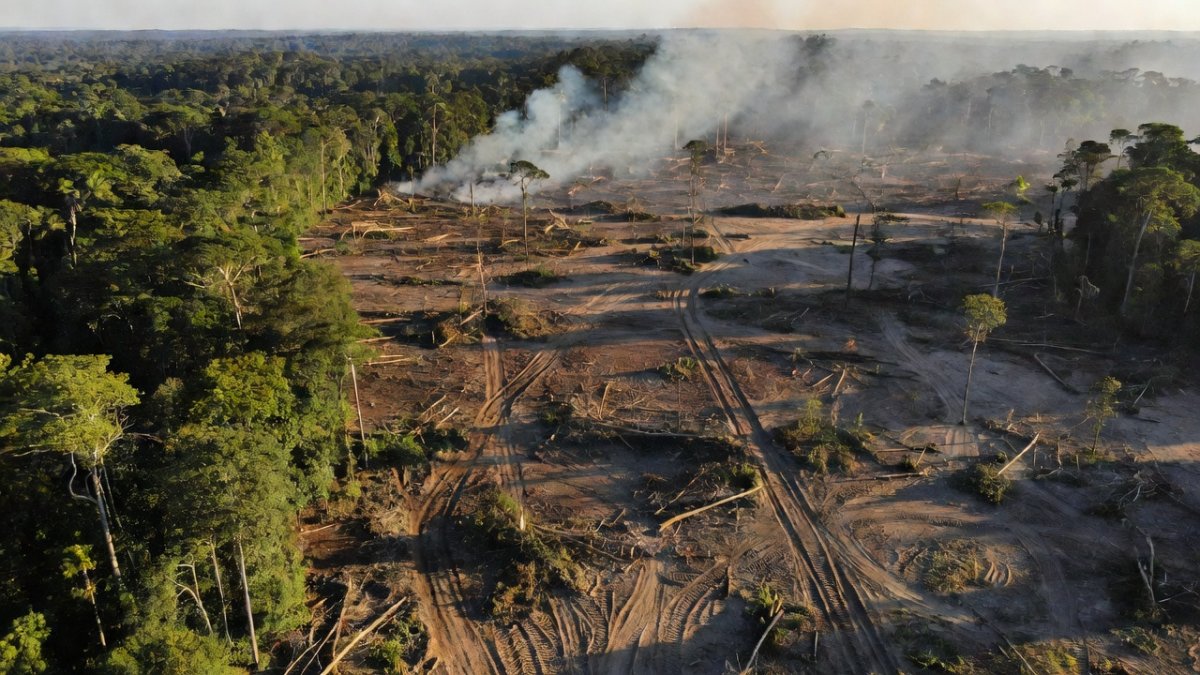
Latin America’s biodiversity emergency unfolds in stark figures that demand immediate action. Brazil alone lost 1.8 million hectares of forest in 2024, equivalent to roughly five trees every second. Colombia’s deforestation rates swung from 71,000 hectares in 2022 to 44,000 in 2023 before climbing again to 77,000 hectares in 2024 and 72,000 in 2025. Across the region, monitored wildlife populations have crashed by 95 percent over the past fifty years. The Amazon contains approximately 400 billion trees representing around 16,000 species, yet 10 to 47 percent of its forests risk compounding disturbances by 2050. Crossing a tipping point could convert vast stretches of rainforest into savanna, releasing 200 to 250 billion tonnes of CO2 into the atmosphere. Only 18 percent of plant species and a mere 0.6 percent of fungal species have received formal extinction-risk assessments worldwide. These gaps leave Latin America’s extraordinary biological wealth dangerously under-protected at the precise moment when data-driven decisions are most needed.
What Kew Gardens' Collections Reveal About Latin America
Kew’s vast holdings illuminate the depth of Latin America’s botanical heritage while exposing alarming vulnerabilities. Of roughly 70,000 assessed plant species globally, 40 percent face extinction threats, yet 330,000 more await evaluation. Flowering plants show particular peril, with 45 percent currently at risk. AI analysis of digitized records reveals flowering times advancing 2.5 days per decade over the past century, disrupting pollination cycles vital to Amazonian ecosystems. Only about 16 percent of global herbarium specimens have been digitized so far, meaning enormous knowledge remains locked away. Kew collaborates closely with Brazil’s INPA and the Jardim Botânico do Rio de Janeiro to share Amazonian specimens with local researchers. These partnerships enable data repatriation that empowers nations to steward their own biodiversity. The Millennium Seed Bank further safeguards wild plant diversity from threatened Latin American areas, creating backup collections against habitat loss. Such efforts highlight both the richness and fragility of the region’s flora under accelerating climate and land-use pressures.
Fungi: The Hidden Pharmacists of the Rainforest
Fungi represent one of Latin America’s most overlooked treasures in the fight against disease and environmental degradation. The newly described Trichoderma agriamazonicum, discovered by Embrapa Amazonia Ocidental in Brazil in 2026, was isolated from bark of the cardeiro tree Scleronema micranthum collected and preserved since 2004. This endophytic fungus shows dual promise as an agricultural biocontrol agent and an antimicrobial weapon against Klebsiella pneumoniae superbugs. Endophytic fungi throughout Amazonian plants generate bioactive secondary metabolites with immense pharmaceutical potential. Paul Stamets has long emphasized the power of hidden fungal symbionts, while species such as Periglandula clandestina living inside morning glory seeds produce ergot alkaloids now studied for migraine and Parkinson’s treatments. Yet less than 1 percent of Amazon plant species have undergone scientific screening for medicinal compounds, despite 25 percent of modern pharmaceuticals tracing roots to rainforest plants. Digitizing fungal collections at Kew brings these microscopic allies into focus before deforestation erases them forever.
AI as a Conservation Game-Changer
Artificial intelligence transforms how scientists confront Latin America’s extinction crisis by processing digitized specimens at unprecedented speed. Kew’s project reveals patterns invisible to earlier generations, from shifting phenology to previously unrecognized species distributions across the Neotropics. With only 16 percent of herbarium material currently digitized worldwide, scaling these tools becomes critical for the remaining collections. AI models trained on Kew’s data help prioritize fieldwork in high-risk zones where 10 to 47 percent of Amazon forests may experience severe disturbance by 2050. The technology also supports rapid assessment of the 330,000 plant species still lacking extinction evaluations. By accelerating identification of threatened taxa, AI enables targeted protection before populations collapse. Latin American partners receive not only raw images but analytical outputs tailored to national conservation planning. This collaborative model turns a London institution into a genuine ally for regional sovereignty over biodiversity knowledge and policy.
What This Means for Latin America's Biodiversity Future
The implications for Latin America stretch far beyond academic databases into the daily survival of communities dependent on intact forests. Preserving genetic resources through the Millennium Seed Bank offers insurance against total loss while restoration programs draw on digitized records to select resilient native species. Strengthened UK-Brazil conservation engagement builds capacity for long-term monitoring across borders. Yet success hinges on sustained funding and genuine power-sharing so that Brazil, Colombia and Peru lead decisions about their biological heritage. Without accelerated action, the Amazon risks flipping from carbon sink to massive emitter, destabilizing global climate and local livelihoods alike. Digitization projects must expand rapidly to close knowledge gaps that currently leave most species unassessed. The window for preventing irreversible tipping points narrows each year as deforestation continues its destructive pace across the basin.
The Bottom Line — A Race Against Extinction
Latin America stands at the frontline of a planetary emergency where every digitized specimen and newly described fungus carries weight in the struggle for survival. Kew’s AI initiative, guided by specialists such as Dr. Alexandre Antonelli, supplies critical intelligence at a moment when 45 percent of flowering plants face extinction risk and deforestation rates remain alarmingly high. The upcoming State of the World’s Plants and Fungi symposium scheduled for June 29 to July 1, 2026, will spotlight these interconnected threats and opportunities. Success demands that data flows back to source countries, that fungal medicines receive the research attention they deserve, and that governments treat biodiversity protection as non-negotiable infrastructure. The Amazon’s 400 billion trees and countless unknown species represent irreplaceable wealth that no amount of technological progress can recreate once lost. This is not merely a scientific endeavor but a moral imperative to safeguard the living library that sustains us all.
By Elena Vasquez, Staff WriterThis article was produced with AI-assisted research and editorial support. Reporting is based on sources cited in the article.
What's Your Reaction?
 Like
0
Like
0
 Dislike
0
Dislike
0
 Love
0
Love
0
 Funny
0
Funny
0
 Wow
0
Wow
0
 Sad
0
Sad
0
 Angry
0
Angry
0

Latin America Correspondent at Global1.News. Based in Mexico City, covering politics, economics, energy, and culture across the region. Brings an on-the-ground perspective to stories spanning from the Rio Grande to Patagonia.










Comments (0)