
Recording Academy's Black Music Collective Honors Pharrell Williams, Brandy and Kirk Franklin in Los Angeles
The Recording Academy's Black Music Collective gathered in Los Angeles to celebrate three artists whose sounds carry the pulse of African rhythms across oceans and generations. Brandy, Kirk Franklin, and Pharrell Williams received honors that underscore how gospel, R&B, and global pop trace their foundations back to West African musical traditions still alive in Senegalese grio
The Recording Academy's Black Music Collective gathered in Los Angeles to celebrate three artists whose sounds carry the pulse of African rhythms across oceans and generations. Brandy, Kirk Franklin, and Pharrell Williams received honors that underscore how gospel, R&B, and global pop trace their foundations back to West African musical traditions still alive in Senegalese griot performances and church choirs today. This recognition arrives during Grammy Week and speaks directly to African creatives building their own paths in music.
Recording Academy's Black Music Collective Honors Pharrell Williams, Brandy and Kirk Franklin in Los Angeles
Los Angeles, United States — January 2026 — The 4th Annual Recording Academy Honors event took place on January 29, 2026, at the Fairmont Century Plaza in Los Angeles. The Black Music Collective, a Recording Academy initiative founded to celebrate Black music's legacy, recognized Brandy Norwood, Kirk Franklin, and Pharrell Williams for their contributions. The evening unfolded during Grammy Week ahead of the 2026 Grammy Awards and drew attention from artists and audiences across the African diaspora.
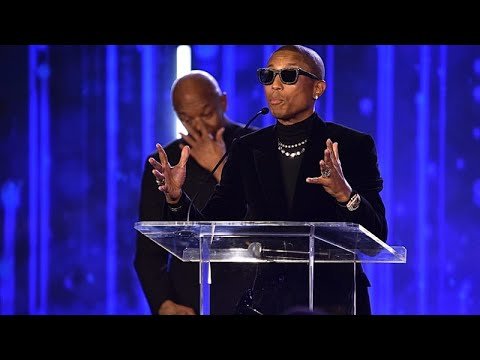
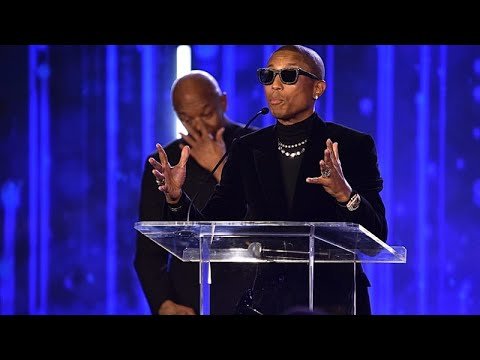
Black Music Collective Honors: A Night of Recognition
The 4th Annual Recording Academy Honors event unfolded on January 29, 2026, at the Fairmont Century Plaza in Los Angeles during Grammy Week. The Black Music Collective, founded as a Recording Academy initiative to celebrate Black music's legacy and global influence, organized the evening to spotlight artists whose work spans continents. Brandy, Kirk Franklin, and Pharrell Williams stood at the center of the recognitions.
Black artists from across the diaspora received acknowledgment for shaping sounds that travel from American stages back to African villages and cities. The Collective's focus on legacy highlights how these musicians carry forward traditions rooted in African rhythms and communal storytelling. Guests noted the event's role in connecting generations of creators who draw from the same ancestral wells.
The significance of the night extended beyond individual awards to the broader story of Black music's reach. Organizers emphasized that the initiative exists to honor contributions that influence listeners from Dakar to Atlanta. This framing resonated with African observers who see their own cultural expressions reflected in the honorees' careers.
Attendees described the atmosphere as one of reflection and forward movement. The event positioned the Black Music Collective as a bridge between past innovations and current global conversations about music's power. Recognition of these three figures illustrated how one night's honors can echo through creative communities worldwide.
Brandy Receives Black Music Icon Award
Brandy Norwood received the Black Music Icon Award during the ceremony. Recording Academy CEO Harvey Mason Jr. presented the honor to the singer and actress known for her multi-platinum albums and role on the television series Moesha. The moment marked another milestone in a career that has shaped R&B for decades.
Coco Jones delivered a tribute performance of Brandy's song "Full Moon." Jones spoke afterward about the honoree's impact, stating that Brandy "represents dark skin beauty in TV and film and music" and that "she deserves so much." The performance and words underscored Brandy's influence on visual and sonic expressions of Black identity.
Brandy's legacy as an R&B legend includes consistent chart success and a distinctive vocal style that inspired countless singers. Her work reached African audiences through radio airplay and later streaming platforms, where young vocalists in Lagos and Accra studied her phrasing and emotional delivery. Many credit her with opening doors for darker-skinned artists in mainstream entertainment. Brandy also returned to the screen in the horror film "The Front Room," released in September 2024, demonstrating her continued artistic range beyond music.
Generations of African performers continue to cite Brandy as a reference point when developing their own R&B approaches. Her boundary-pushing presence on screen and stage offered models of confidence that parallel the self-assured styles now seen in African music festivals. The award affirmed that her contributions remain vital reference points for emerging talent across the continent.
Kirk Franklin: Gospel Icon Honoured
Kirk Franklin received the Black Music Icon Award thirty years after winning his first Grammy. The recognition highlighted his role in transforming gospel music through innovative arrangements that incorporated R&B and hip-hop elements. His approach created new pathways for sacred music to reach wider audiences.
Lecrae paid tribute during the evening, describing Kirk Franklin as a "big brother" and role model who guided younger artists. Franklin's willingness to blend gospel with contemporary sounds revolutionized the genre and encouraged church musicians to experiment while maintaining spiritual foundations. This fusion found immediate resonance in African congregations.
African church choirs regularly perform Kirk Franklin's arrangements in services from Senegal to South Africa. His music provided templates that local gospel artists adapted to incorporate local languages and rhythms while preserving the energetic praise style he popularized. Many African gospel performers trace their modern sound directly to his influence.
Following the event, Kirk Franklin posted on social media that he remained "still amazed by what God can do." The statement reflected the humility that has marked his career even as his work traveled across oceans. His recognition at the Black Music Collective event reinforced the global footprint of his genre-blending vision.
Pharrell Williams Receives Dr. Dre Global Impact Award
Pharrell Williams received the Dr. Dre Global Impact Award for his musical achievements, entrepreneurial innovation, and global cultural influence. Justin Timberlake performed a tribute during the ceremony. The award acknowledged a career that spans hit records, fashion ventures, and international advocacy.
Pharrell's global hits include "Happy" and "Get Lucky," tracks that topped charts and soundtracked celebrations from African independence events to everyday gatherings. His production work for numerous artists further extended his reach into living rooms and clubs across the continent. Listeners in Senegal often recall these songs as markers of particular moments in their lives.
Beyond music, Pharrell built fashion lines such as Billionaire Boys Club and served as creative director for Louis Vuitton Men's. In December 2024 he was named UNESCO Goodwill Ambassador, a role that connects his creative work to broader cultural preservation efforts. His fashion collections have drawn inspiration from African textiles and patterns, reflecting the global exchange that defines his artistic vision. These ventures demonstrate how musicians can extend their influence into business and diplomacy.
Pharrell's cultural reach across Africa includes deep resonance with young producers who study his beat-making techniques and optimistic messaging. His example of moving between genres and industries offers a template that many African artists now follow when building multifaceted careers. The award highlighted the worldwide scale of that influence.
African Connections and Diaspora Significance
Black music's roots trace directly back to Africa, where gospel and R&B traditions represent extensions of African musical heritage carried through the diaspora. Call-and-response patterns, polyrhythms, and communal singing that define these genres originated in West and Central African practices still performed at Senegalese music festivals today. The Black Music Collective's honors made these connections visible.
African artists continue drawing inspiration from the honorees. Afrobeats stars such as Burna Boy, Wizkid, and Tems achieved global recognition through Grammy wins that parallel the boundary-crossing paths celebrated at this event. Their success shows how African musicians now occupy the same international stages once shaped by earlier diaspora innovators.
African gospel artists walk paths Kirk Franklin forged by blending traditional praise with contemporary production. Brandy's vocal techniques appear in the phrasing of rising R&B singers on the continent. Pharrell's global production style influences beatmakers who fuse African percussion with electronic elements.
The Black Music Collective's recognition of these three figures highlights the global reach of Black music from the continent to the diaspora. Events like this one affirm that African creative communities remain central to the story rather than peripheral observers. The evening reinforced ongoing conversations about shared heritage and mutual influence.
What This Means for African Music and Culture
African creatives can draw lessons from the honorees' careers in genre fluidity, cultural pride, and entrepreneurial innovation. Brandy, Kirk Franklin, and Pharrell each refused to stay within narrow categories, a flexibility that African artists increasingly adopt when navigating international markets. Their examples encourage Senegalese and other continental musicians to blend traditions without apology.
The growing recognition of Black music as global culture benefits African performers who now receive similar platforms. Afrobeats and African gospel continue their rise on world stages, mirroring the trajectory these American artists followed. This shift creates space for more African voices in major award conversations.
African artists are increasingly being honored on global stages, a development that builds on the foundation laid by diaspora trailblazers. The future of African music's global influence appears tied to the same principles of innovation and heritage connection celebrated at the Black Music Collective event. Young creators in Dakar and beyond watch these moments for signals of what remains possible.
Developments in African entertainment continue to accelerate as streaming platforms and festivals expand opportunities. The lessons from this Los Angeles evening travel back to creative communities across the continent, reminding artists that their work carries ancestral weight while pointing toward new horizons. For Senegalese musicians and cultural practitioners, the evening affirmed that the path from Dakar stages to global recognition runs through the same blend of authenticity and innovation these honorees have long embodied.
 By Amara Diop, Staff Writer
This article was produced with AI-assisted research and editorial support. Reporting is based on sources cited in the article.
What's Your Reaction?
 Like
0
Like
0
 Dislike
0
Dislike
0
 Love
0
Love
0
 Funny
0
Funny
0
 Wow
0
Wow
0
 Sad
0
Sad
0
 Angry
0
Angry
0

West Africa/Sahel Correspondent at Global1.News. Dakar-based journalist covering politics, security, climate, and development across Francophone and Anglophone West Africa. Tells the stories of a region undergoing profound transformation.













Comments (0)