
Qwen-Image-Edit: Alibaba's Free AI Inpainting Goes Uncensored
The open-source community just received a direct challenge to paid image-editing platforms. Alibaba’s Qwen team released Qwen-Image-Edit, a 20B-parameter MMDiT model under the Apache 2.0 license that performs mask-based inpainting without content filters. Users can now run precise, local edits through ComfyUI on their own hardware. Full Article Headline: Qwen-Image-Edit: Alibab
The open-source community just received a direct challenge to paid image-editing platforms. Alibaba’s Qwen team released Qwen-Image-Edit, a 20B-parameter MMDiT model under the Apache 2.0 license that performs mask-based inpainting without content filters. Users can now run precise, local edits through ComfyUI on their own hardware.
Full Article Headline: Qwen-Image-Edit: Alibaba's 20B Inpainting Beast Goes Open Source, No Filters Attached
Atlanta, GA – July 3, 2026 — Alibaba’s Qwen team dropped Qwen-Image-Edit, a 20B-parameter Multimodal Diffusion Transformer built specifically for mask-driven inpainting. The model arrived under an Apache 2.0 license, allowing unrestricted local use and modification. Early workflows shared through ComfyUI demonstrate object removal, replacement, and text-prompt edits confined to user-drawn masks.
What Is Qwen-Image-Edit?
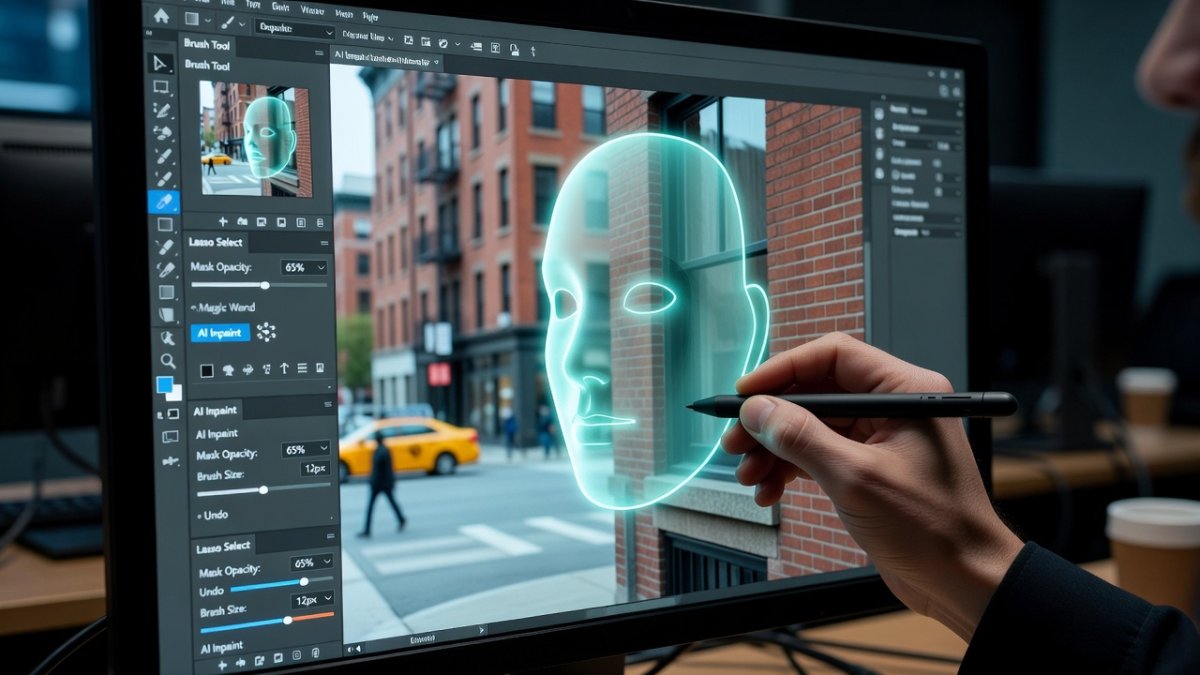
Qwen-Image-Edit is a 20B-parameter MMDiT architecture released by Alibaba’s Qwen team. The model accepts manual masks and text prompts to edit defined image regions. It supports object removal, replacement, and generative fill while remaining fully open under the Apache 2.0 license. Because the weights are publicly available, developers can inspect, fine-tune, or integrate the model without corporate gatekeepers.
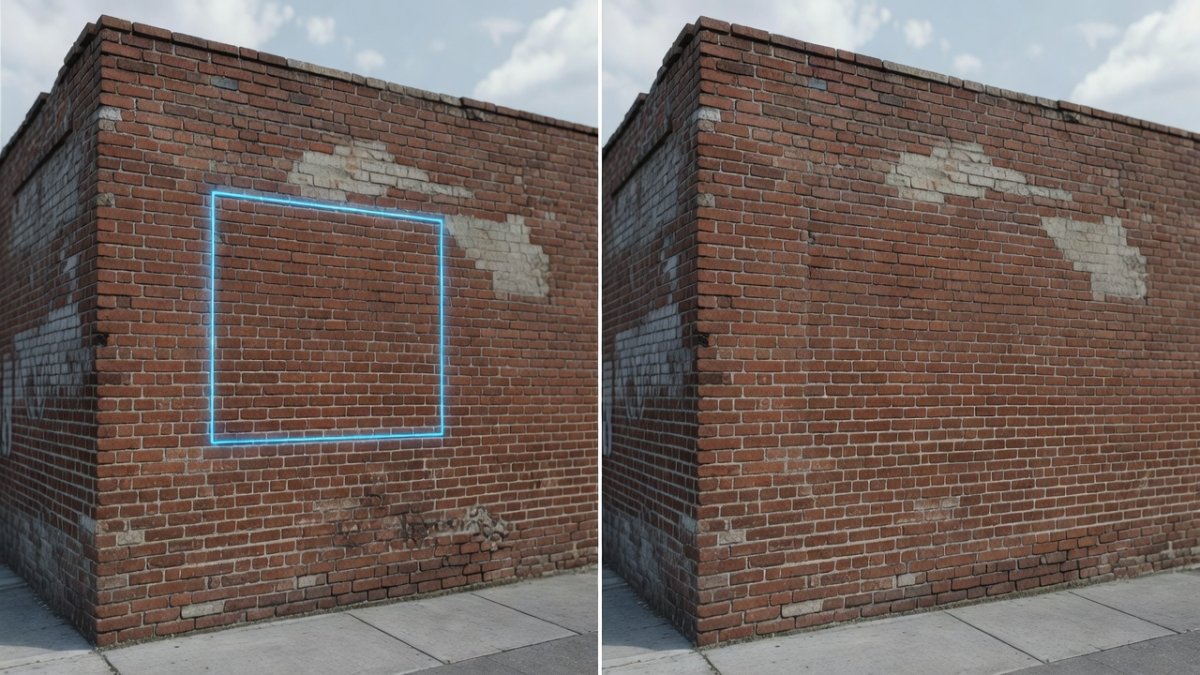
The architecture focuses on diffusion within masked areas rather than whole-image regeneration. This design reduces unintended changes outside the selected region. Users supply an image, a binary mask, and a prompt; the model then synthesizes content that matches the surrounding pixels and the prompt description. No cloud endpoint is required once the model files are downloaded.
Uncensored by Design
The release contains no safety classifiers or content filters. Users can therefore apply the model to any image they legally possess. This stands in contrast to Adobe Firefly and Canva Magic Edit, both of which block prompts or outputs that violate their published content policies. The absence of filters shifts responsibility for legal and ethical use entirely to the individual running the software.
Researchers studying adversarial examples or artists exploring unrestricted visual concepts gain immediate access. At the same time, the lack of moderation means organizations must implement their own review processes if they deploy the model internally. The Apache 2.0 license explicitly permits commercial use, redistribution, and derivative works, provided attribution requirements are met.
How It Works: ComfyUI and Local Processing
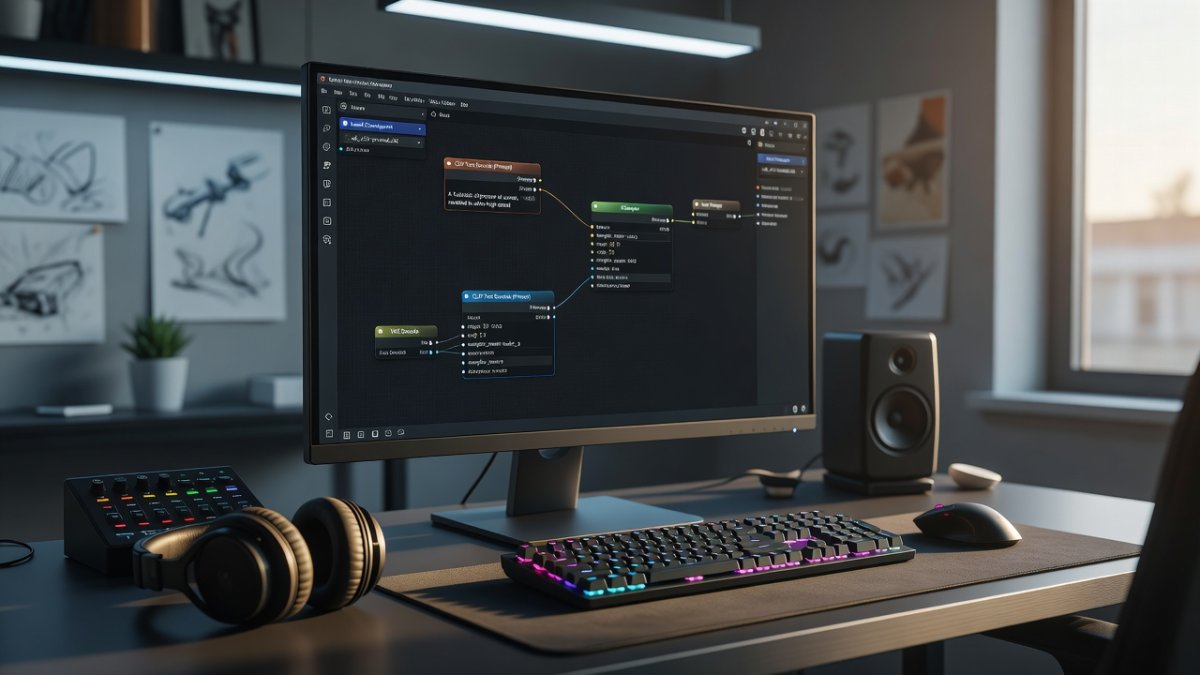
Qwen-Image-Edit executes entirely inside ComfyUI on the user’s machine. No API calls leave the local network, eliminating recurring subscription costs and data-transfer risks. The workflow loads the 20B-parameter weights, accepts a user-drawn mask, and runs the diffusion process on the masked region only.
Because the model is large, memory management matters. GGUF-quantized variants allow operation on GPUs with less VRAM than the full-precision version requires. Installation follows standard ComfyUI node addition: clone the repository, place the model files in the designated folder, and load the provided JSON workflow. All processing stays on-device, preserving image privacy.
What This Means for the Image Editing Industry
Adobe’s subscription model and Canva’s tiered pricing both rely on cloud infrastructure and content moderation. A free, local, filter-free alternative removes those barriers for users willing to manage their own hardware. Market pressure may increase on companies that charge monthly fees for similar generative-fill features.
Alibaba’s broader AI investments already include large language models and multimodal systems. Qwen-Image-Edit extends that portfolio into consumer creative tools, positioning the company alongside Meta’s open-source releases and Google’s research models. The Apache 2.0 terms encourage community forks and integrations that could accelerate feature development beyond any single vendor’s roadmap.
What to Know If You Want to Try It
The model weights are hosted on Hugging Face under the Qwen organization. The corresponding ComfyUI workflow JSON is available in the project’s GitHub repository. Hardware guidance indicates that full-precision inference benefits from higher VRAM configurations, while GGUF-quantized checkpoints enable testing on more modest GPUs. Users should verify they meet the license’s attribution obligations when redistributing modified versions.
Documentation in the repository covers mask creation, prompt formatting, and basic node connections inside ComfyUI. No additional paid services or accounts are necessary after the initial download.
Open-source releases like Qwen-Image-Edit continue to shift creative software from centralized platforms toward locally controlled tools. When a 20B-parameter inpainting model arrives without usage restrictions and runs on consumer hardware, the cost and control equations that have defined commercial editing suites face direct competition. The next months will show how quickly the community builds upon the released weights and whether established vendors adjust their offerings in response.
By Jessica Ali, Staff Writer
This article was produced with AI-assisted research and editorial support. Reporting is based on sources cited in the article.
What's Your Reaction?
 Like
0
Like
0
 Dislike
0
Dislike
0
 Love
0
Love
0
 Funny
0
Funny
0
 Wow
0
Wow
0
 Sad
0
Sad
0
 Angry
0
Angry
0

Editor-in-Chief at Global1.News. Atlanta-based journalist who cuts through the BS and tells it like it is. Lead anchor, host, and the voice you hear when the spin stops and the truth starts.















Comments (0)