
Quebec Auditor General Faults Battery Industry Strategy
In a recent CBC News report, Quebec Auditor General Christine Roy detailed how the provincial government pursued its battery sector ambitions without proper planning or oversight. The findings, released this week, examined 29 files tied to 11 companies and $2.2 billion in authorised assistance as of September 30, 2025. The report raises serious questions about accountability an
In a recent CBC News report, Quebec Auditor General Christine Roy detailed how the provincial government pursued its battery sector ambitions without proper planning or oversight. The findings, released this week, examined 29 files tied to 11 companies and $2.2 billion in authorised assistance as of September 30, 2025. The report raises serious questions about accountability and taxpayer protection in Quebec's industrial subsidy programs.
Quebec Auditor General Faults Battery Industry Strategy
Ottawa, Ontario – This week — Quebec's Auditor General Christine Roy released a scathing report this week revealing that the provincial government spent nearly $2 billion on battery industry projects without clear objectives or timelines. The audit examined 29 files tied to 11 companies and found that $1.9 billion was disbursed before proper oversight mechanisms were in place.
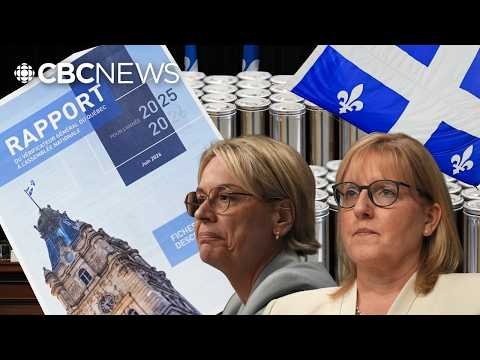
Auditor Details Unplanned Spending Decisions
Christine Roy's office found that Quebec authorised $2.2 billion for battery projects yet spent $1.9 billion without clear objectives or timelines. The report noted that a financial framework was only adopted in May 2025, well after major commitments had already been made. One cited case showed a company facing severe liquidity problems that the government failed to detect before releasing funds.
These gaps left public money exposed across multiple projects. The absence of measurable targets meant officials could not track whether investments delivered promised jobs or supply-chain benefits. Quebec's approach contrasted with more structured federal green-economy programs that require quarterly performance reports.
Four Companies Enter Creditor Protection
Four of the 11 companies examined filed for creditor protection after receiving an average of 89 per cent of their approved support. Two additional firms now face significant operational difficulties. Total losses reached $375.2 million, equal to 14.6 per cent of authorised amounts, with 95 per cent of those losses linked to Northvolt and Lion Electric.
Northvolt's planned $7-billion plant in Saint-Basile-le-Grand and McMasterville was halted in September 2025. Quebec lost $270 million on that single investment. The auditor's review showed that payments continued even as warning signs emerged about the Swedish firm's ability to meet construction milestones.
Political Reactions Highlight Partisan Divide
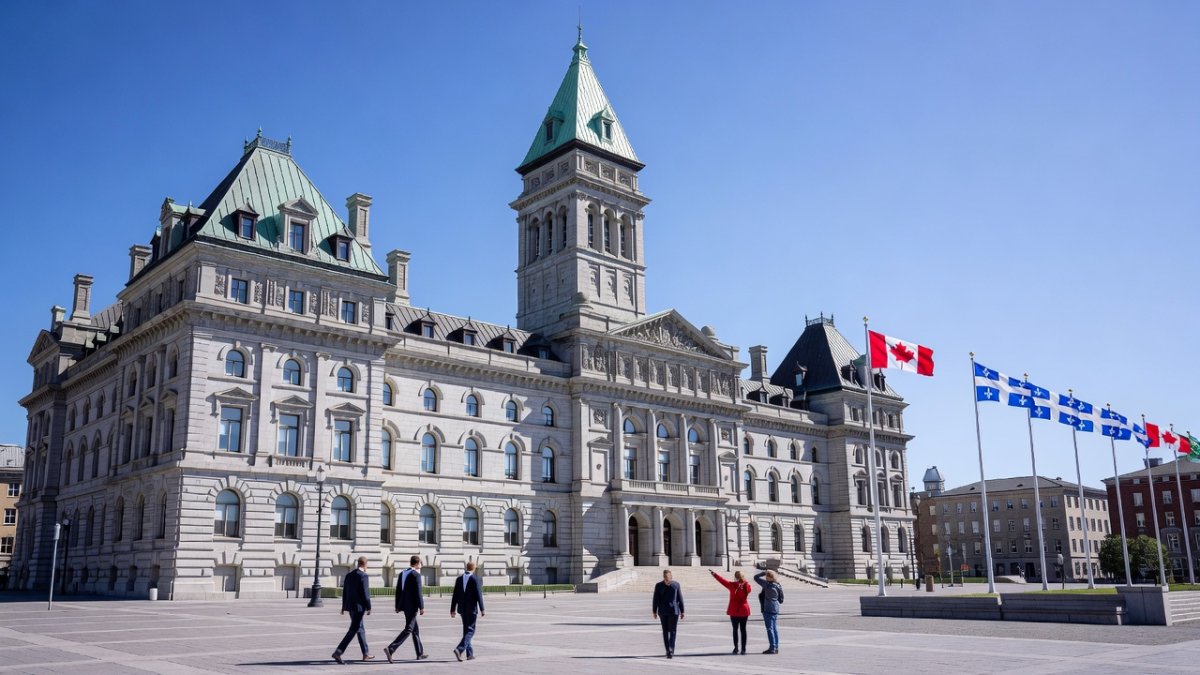
Liberal parliamentary leader André Fortin described the report as irrefutable and stated it dismantles the CAQ economic policy piece by piece. Québec Solidaire co-spokesperson Ruba Ghazal accused the government of gambling with public funds on unproven ventures. Premier François Legault responded that risks must be accepted to achieve results in emerging industries.
Economy, Innovation and Energy Minister Bernard Drainville addressed the findings in the National Assembly this week. He acknowledged past shortcomings while defending the strategic importance of securing a foothold in the North American electric-vehicle supply chain. Opposition members demanded an immediate pause on further disbursements until new safeguards are in place.
Northvolt and Lion Electric Losses Dominate Figures
Premier Christine Fréchette ordered an end to additional public funding for both Northvolt and Lion Electric after taking office. The auditor noted that 95 per cent of the $375.2 million in recorded losses stemmed from these two files alone. Lion Electric, once viewed as a domestic success story, required repeated support before its own creditor-protection filing.
The concentration of losses in just two companies illustrates the danger of placing large bets on single projects. Quebec's experience mirrors challenges seen in other provinces where targeted industrial subsidies produced uneven results. Federal programs such as the Strategic Innovation Fund now require independent risk assessments before major tranches are released.
Implications for Quebec Taxpayers and Jobs
Quebec residents ultimately bear the $375.2 million loss through provincial revenues. The money could have supported healthcare wait-time reductions or pharmacare expansions already under discussion between Quebec City and Ottawa. Instead, the funds vanished into projects that failed to reach commercial operation.
Job creation targets attached to the original announcements remain largely unmet. The auditor found no consistent method for verifying employment numbers reported by recipient companies. This lack of verification weakens public confidence in future subsidy programs aimed at the energy transition.
Federal-Provincial Coordination Concerns Rise
Quebec's battery push intersects with federal efforts to build a domestic electric-vehicle supply chain under the Canada-United States-Mexico Agreement. Ottawa has committed billions through tax credits and direct investments, yet provincial delivery failures can undermine national targets for 2030 emissions reductions. The auditor's findings may prompt renewed discussions on shared accountability mechanisms.
Provincial health authorities and school boards already compete for limited capital; industrial losses of this scale tighten those constraints further. Housing affordability pressures in the Montreal region could intensify if promised construction activity tied to the plants never materialises.
Next Steps for Oversight and Accountability
The auditor general's office began its investigation in July 2025 after early signs of trouble surfaced. Recommendations include mandatory liquidity reviews before any disbursement and the establishment of independent monitoring committees. Minister Drainville indicated the government will study the report before introducing legislative changes this fall.
Opposition parties have called for a public accounts committee hearing before the end of the current session. Such hearings could examine whether similar gaps exist in other strategic sectors such as critical minerals and hydrogen. Clearer rules would help restore public trust while preserving Quebec's ability to compete for future green investments.
By Alex Thompson, Staff Writer
This article was produced with AI-assisted research and editorial support. Reporting is based on sources cited in the article.
What's Your Reaction?
 Like
0
Like
0
 Dislike
0
Dislike
0
 Love
0
Love
0
 Funny
0
Funny
0
 Wow
0
Wow
0
 Sad
0
Sad
0
 Angry
0
Angry
0
Canada Correspondent at Global1.News. Based in Toronto, covering Canadian politics, energy, trade, and US-Canada relations. Provides the Canadian perspective on North American and global affairs.















Comments (0)