
Putin Signs Pre-Trial Seizure Law for Exiled Dissidents
The Signing of the Law and Its Core Provisions President Vladimir Putin signed legislation on Wednesday that grants Russian authorities the power to confiscate property and seize bank funds belonging to Russians living abroad who face accusations of acting against the country's interests. The measure takes effect on Sept. 1 and removes the previous requirement for a court rulin
The Signing of the Law and Its Core Provisions
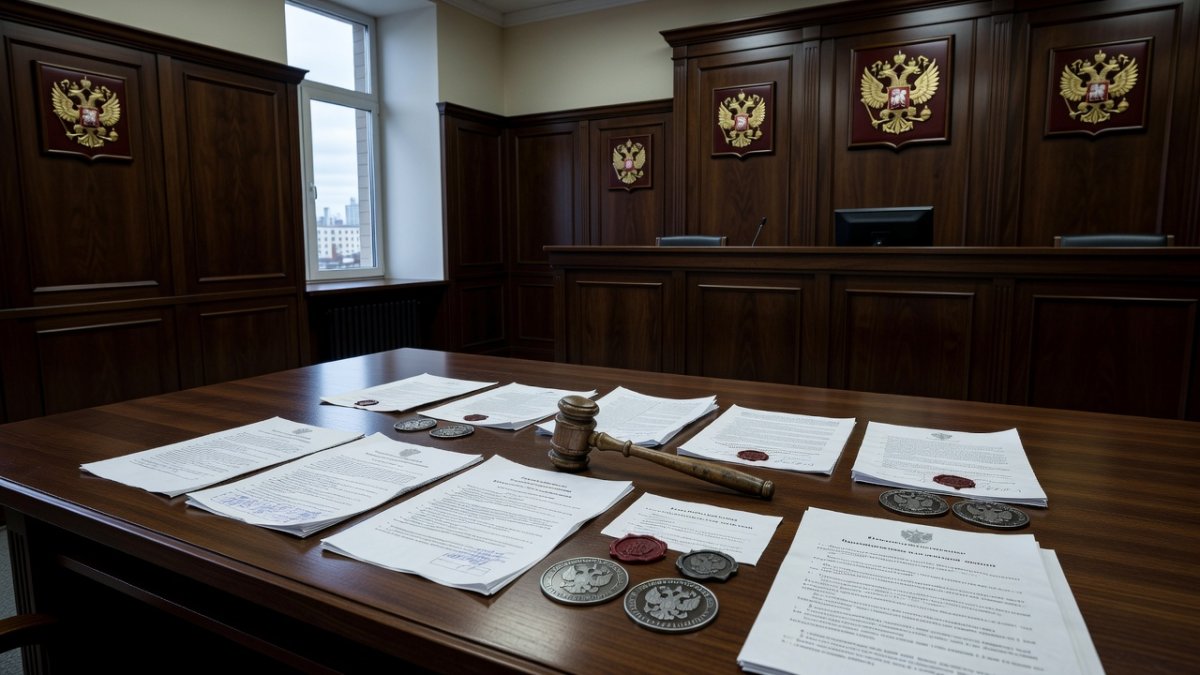
President Vladimir Putin signed legislation on Wednesday that grants Russian authorities the power to confiscate property and seize bank funds belonging to Russians living abroad who face accusations of acting against the country's interests. The measure takes effect on Sept. 1 and removes the previous requirement for a court ruling before asset forfeiture can occur. Instead, seizure becomes possible the moment formal charges are filed, allowing action in absentia against individuals no longer in Russia.
This change applies to a defined list of offenses that includes discrediting the Russian military, calling for sanctions against Russia, violations of foreign agent regulations, ties to undesirable organizations, and promotion of extremism. The law builds directly on existing administrative practices where courts had already imposed fines on exiled critics, but now codifies an expanded and accelerated process for financial penalties.
Legislative Origins and Passage Through State Institutions
The bill originated in October 2024 when regional lawmakers in the republic of Tatarstan introduced the proposal. It advanced through the State Duma, receiving approval late last month. During parliamentary sessions, State Duma speaker Vyacheslav Volodin described the legislation as essential for safeguarding Russian soldiers engaged in operations in Ukraine, framing asset measures as a protective step for those serving at the front.
Attribution to specific regional initiators in Tatarstan and endorsement by Volodin highlights how the measure moved from local initiative to national law under the current parliamentary structure. The Foreign Ministry and other executive bodies now hold authority to implement the confiscations once charges are brought by investigative agencies.
Expansion of Existing Repression Mechanisms Since the Ukraine Invasion
Since the full-scale invasion of Ukraine, Russian authorities have intensified use of laws on foreign agents and undesirable organizations to restrict independent voices. The new pre-trial seizure provision fits within this pattern by adding immediate economic consequences to charges that previously resulted mainly in fines or travel restrictions. Exiled journalists and activists who continue reporting or advocacy from abroad now face formalized risks to any remaining assets inside Russia.
Defense Ministry statements and Kremlin communications have consistently linked such measures to national security priorities during the conflict. The law therefore extends tools already applied to domestic cases, applying them explicitly to those who have left the country and cannot easily contest proceedings.
Impact on Exiled Dissidents and Media Figures
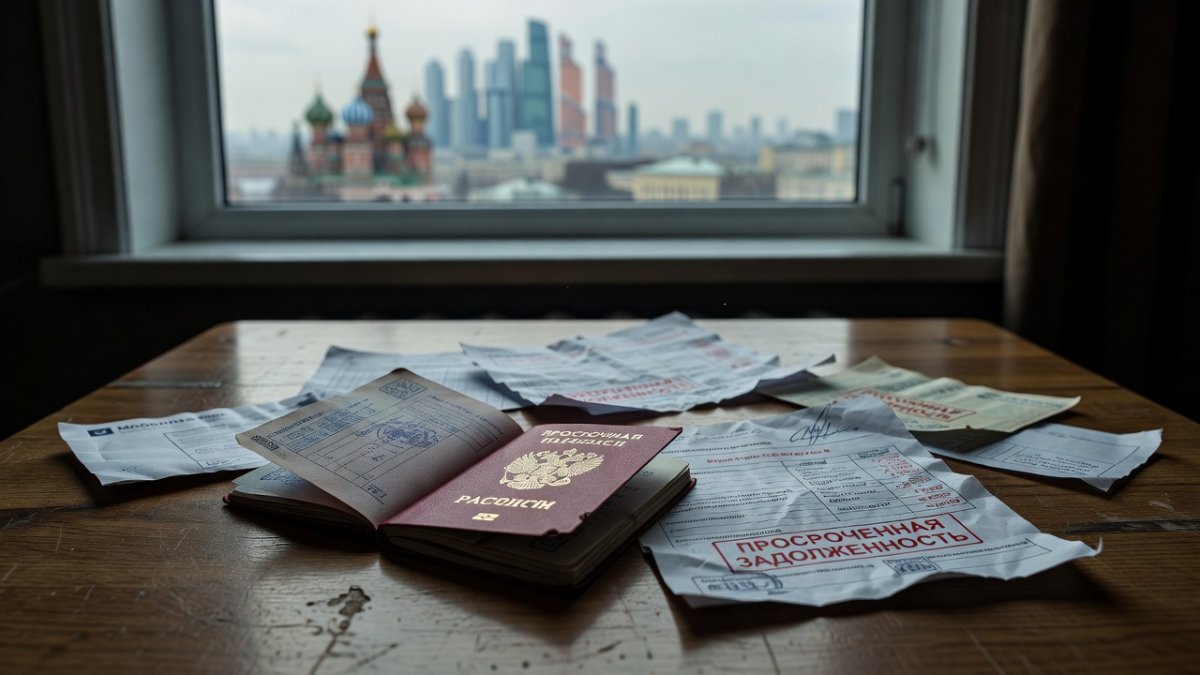
Individuals living outside Russia who face charges under the listed offenses can now lose access to property and funds upon indictment rather than after conviction. This creates an immediate financial barrier for continued work by independent media outlets or activist networks that rely on resources accumulated before departure. Russian courts retain the ability to proceed with cases even when defendants are absent, a practice already established in administrative proceedings.
The measure affects a wide circle that includes former officials, business figures, and ordinary citizens who have relocated. By targeting bank accounts and real estate, authorities gain leverage that extends beyond the individual to family members or associates who may hold joint assets, amplifying pressure on networks of support for those abroad.
Broader Effects on Russian Society and Post-Soviet Relations
Ordinary Russians observe these developments through state media coverage that emphasizes protection of military personnel and state interests. The law reinforces a climate in which public criticism carries heightened personal costs, even for those who have already chosen exile. Energy companies such as Gazprom and Rosneft operate within the same legal environment, where political alignment influences business continuity, though the new statute focuses primarily on individual rather than corporate holdings.
Neighboring states in the post-Soviet space, including Armenia and Kazakhstan, have hosted growing numbers of Russian émigrés in recent years. The asset seizure law may influence decisions by those communities about further relocation or asset management, as individuals weigh risks of retaining ties to Russian financial systems. Regional governments have so far maintained varied approaches to Russian nationals, balancing economic ties with Moscow against domestic stability concerns.
Official Justifications and Counter Perspectives
Kremlin-aligned voices present the legislation as a proportionate response to actions perceived as undermining the armed forces during active operations. Volodin's remarks in the State Duma underscore this rationale, tying asset controls to support for troops. The Foreign Ministry has similarly referenced the need to counter external pressures, including sanctions calls originating from Russian citizens abroad.
Independent observers and human rights groups outside Russia interpret the law as an additional instrument in a sustained campaign against dissent. They note that the lowered threshold for seizure reduces procedural safeguards that existed under prior criminal and administrative codes. While Russian authorities maintain that charges require evidence of specific violations, the absence of a trial requirement before forfeiture raises questions about due process for those unable to participate in proceedings.
By Irina Volkov, Staff WriterThis article was produced with AI-assisted research and editorial support. Reporting is based on sources cited in the article.
What's Your Reaction?
 Like
0
Like
0
 Dislike
0
Dislike
0
 Love
0
Love
0
 Funny
0
Funny
0
 Wow
0
Wow
0
 Sad
0
Sad
0
 Angry
0
Angry
0
Russia/Eastern Europe Correspondent at Global1.News. Covering Russian politics, energy, security, and the shifting dynamics of the post-Soviet space. Provides clear-eyed analysis on one of the world's most opaque regions.











Comments (0)