
Private plane missing over Caribbean after leaving St Vincent
The Known Details of the Flight Route The twin-engine Beech Baron departed St Vincent with Tobago listed as its destination, a route that crosses open waters familiar to many travellers moving between the islands. Reports indicate the aircraft left St Vincent and the Grenadines in conditions that appeared routine at the time, yet contact was lost shortly afterwards. Authorities
The Known Details of the Flight Route
The twin-engine Beech Baron departed St Vincent with Tobago listed as its destination, a route that crosses open waters familiar to many travellers moving between the islands. Reports indicate the aircraft left St Vincent and the Grenadines in conditions that appeared routine at the time, yet contact was lost shortly afterwards. Authorities have confirmed the type of aircraft involved but stress that further details on passengers or cargo remain under review as the situation develops.
Families across Trinidad and Tobago and St Vincent and the Grenadines often rely on such small aircraft for quick connections, whether for business, medical visits or simply to spend time with relatives. The absence of further communication has left many in the region waiting anxiously for any word. Officials continue to gather information from air traffic records and witnesses who may have observed the departure from St Vincent.
This type of journey forms part of the everyday fabric of Caribbean life, linking communities that share close ties despite the sea between them. While the precise circumstances leading to the loss of contact are still being examined, the focus remains on understanding the timeline without speculation. Updates are expected as more facts come to light through official channels.
Search Efforts That Remain Ongoing
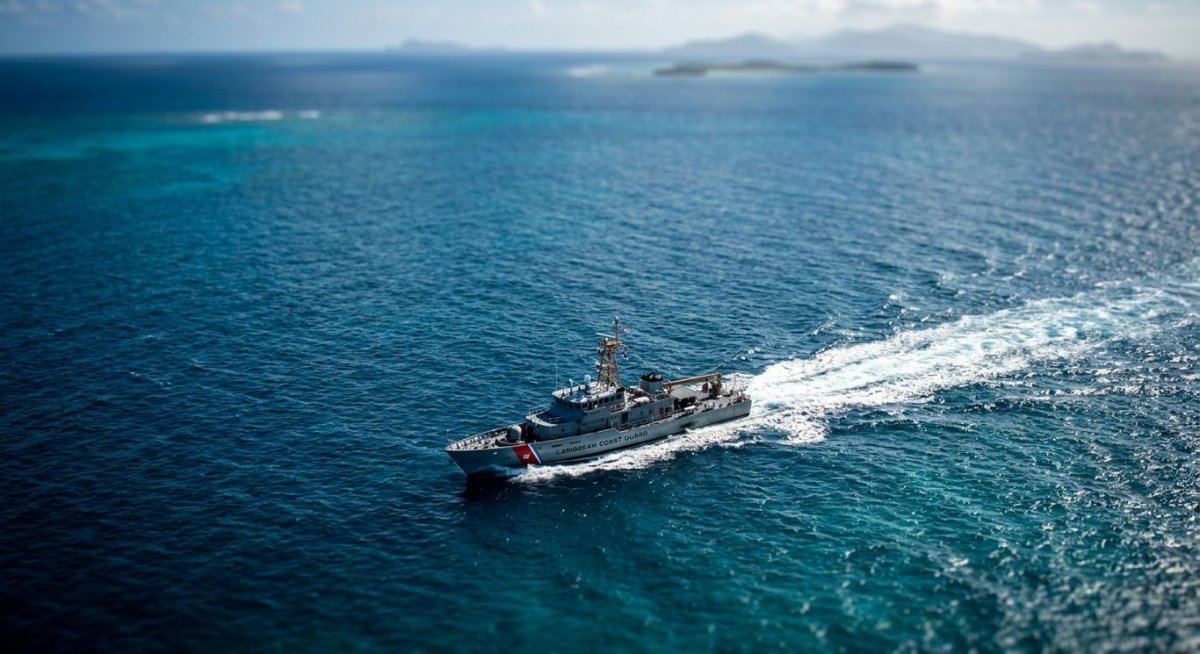
Coast Guard units from Trinidad and Tobago have joined forces with military assets to conduct searches across the waters between St Vincent and Tobago. These operations have been under way since the aircraft was reported missing, covering areas where the twin-engine Beech Baron might have travelled. Weather conditions and sea states are being monitored closely to guide the teams on the ground and in the air.
Personnel involved describe the work as methodical, with vessels and aircraft sweeping sections of the sea in coordinated patterns. The Regional Security System has been notified and stands ready to offer additional support if requested by the lead agencies. Every effort is being made to maintain coverage during daylight hours while planning continues for the night period.
Local communities along the coasts of both islands have been asked to report any sightings that could assist the search teams. This community involvement reflects the close-knit nature of Caribbean life, where neighbours often look out for one another during times of uncertainty. The operations continue without any confirmed findings at this stage.
Regional Coordination Across Island Nations
Search and rescue coordination between St Vincent and the Grenadines and Trinidad and Tobago draws on long-standing arrangements that allow resources to be shared quickly when needed. The TTPS has been in contact with counterparts in St Vincent to ensure information flows smoothly between the two countries. Such cooperation has proven valuable in past incidents involving vessels or small aircraft in the Eastern Caribbean.
The Regional Security System plays a central role in these joint efforts, helping to organise assets from multiple islands so that no single nation bears the full burden alone. Communication links between coast guard stations and military command centres remain active as the search progresses. This network reflects the practical reality of living in a region where distances between islands are short yet the sea can present significant challenges.
Officials emphasise that these arrangements are designed to respond rapidly while respecting the sovereignty of each participating country. Regular briefings are being held to align the different teams and avoid duplication of effort. The focus stays on thorough coverage rather than speed alone, given the vast area that must be examined.
Anxiety Felt by Families Across the Diaspora
Relatives in Trinidad and Tobago, St Vincent and the Grenadines and further afield in the Caribbean diaspora are experiencing the quiet worry that comes with waiting for news. Many households have members who travel regularly between the islands for work or family gatherings, making this incident feel particularly close to home. Community groups have begun offering support through prayer meetings and simple check-ins with those most affected.
The emotional strain is compounded by the knowledge that small aircraft form an essential part of regional travel, especially for those who cannot afford longer commercial routes. Families describe the difficulty of explaining the situation to children or elderly relatives who simply want reassurance. Local radio stations and community centres have become gathering points where people share what little information is available.
Support networks in places like Port of Spain and Kingstown are reminding residents that patience and solidarity matter during such periods. Volunteers have offered to assist with practical needs such as meals or transport for family members travelling to official briefings. This response highlights the warm, community-based spirit that characterises life across the islands.
Considerations for Eastern Caribbean Aviation
The incident has prompted quiet discussions among aviation professionals about the demands placed on small aircraft operating between islands like St Vincent and Tobago. These flights support tourism and local commerce, yet they also require careful oversight given the distances involved and the variable weather patterns of the region. Authorities continue to review existing procedures without rushing to conclusions.
Tourism operators in the Eastern Caribbean are watching developments closely, aware that visitor confidence can be influenced by reports of missing flights. Hotels and tour companies in Tobago and St Vincent have expressed concern for the families involved while stressing that normal operations are continuing. The balance between safety and the need to keep regional connections open remains a topic of ongoing attention.
Pilots and ground staff across the islands often know one another through shared training programmes and regional associations, adding a personal dimension to any aviation-related event. The current search serves as a reminder of the importance of reliable communication systems and weather monitoring for all aircraft using these routes. Further assessments are expected once the immediate operation concludes.
Community Vigilance and Continued Support
Residents throughout Trinidad and Tobago and St Vincent and the Grenadines are being encouraged to stay alert for any information that could aid the ongoing search. Churches, schools and community centres have opened their doors for those who wish to gather in quiet reflection or simply share a word of comfort. This collective response reflects the deep sense of connection that binds Caribbean people together.
Local media outlets continue to provide measured updates based on official statements, avoiding unconfirmed details that might add to the distress of families. Volunteers with experience in previous search operations have offered guidance on how best to support the Coast Guard teams from the shore. The emphasis remains on practical help rather than speculation.
As the days pass, the strength of community bonds becomes even more evident, with neighbours checking on one another and offering small acts of kindness. The search operations themselves demonstrate the value of regional cooperation that has been built over many years. Everyone involved hopes for a positive outcome while preparing for whatever information may emerge next.
By Sharon Sahatoo, Staff WriterThis article was produced with AI-assisted research and editorial support. Reporting is based on sources cited in the article.
What's Your Reaction?
 Like
0
Like
0
 Dislike
0
Dislike
0
 Love
0
Love
0
 Funny
0
Funny
0
 Wow
0
Wow
0
 Sad
0
Sad
0
 Angry
0
Angry
0

Caribbean Correspondent at Global1.News. Based in Port of Spain, Trinidad, covering Caribbean politics, economy, energy, climate, and culture. Amplifying the voices and stories of the Caribbean region.















Comments (0)