
Pakistan's Crypto Diplomacy: How Digital Currency Became a Foreign Policy Tool
Pakistan has moved from a 2018 cryptocurrency ban to structured adoption of virtual assets, a policy reversal that has opened diplomatic channels with the United States. This strategy, described by analysts as "crypto diplomacy," has positioned Islamabad as a potential intermediary between Washington and Tehran during 2026. Pakistan's Crypto Diplomacy: How Digital Currency Beca
Pakistan has moved from a 2018 cryptocurrency ban to structured adoption of virtual assets, a policy reversal that has opened diplomatic channels with the United States. This strategy, described by analysts as "crypto diplomacy," has positioned Islamabad as a potential intermediary between Washington and Tehran during 2026.
Pakistan's Crypto Diplomacy: How Digital Currency Became a Foreign Policy Tool
Tokyo, Japan – June 14, 2026 — The State Bank of Pakistan legalized virtual assets in April 2026 and simultaneously introduced plans for a central bank digital currency (CBDC). The 2026 federal budget added new taxes and a regulatory framework for cryptocurrencies, reversing the outright prohibition that had been in place since 2018. These policy shifts created the legal basis for digital asset activity in the country and signaled a broader strategic reorientation.
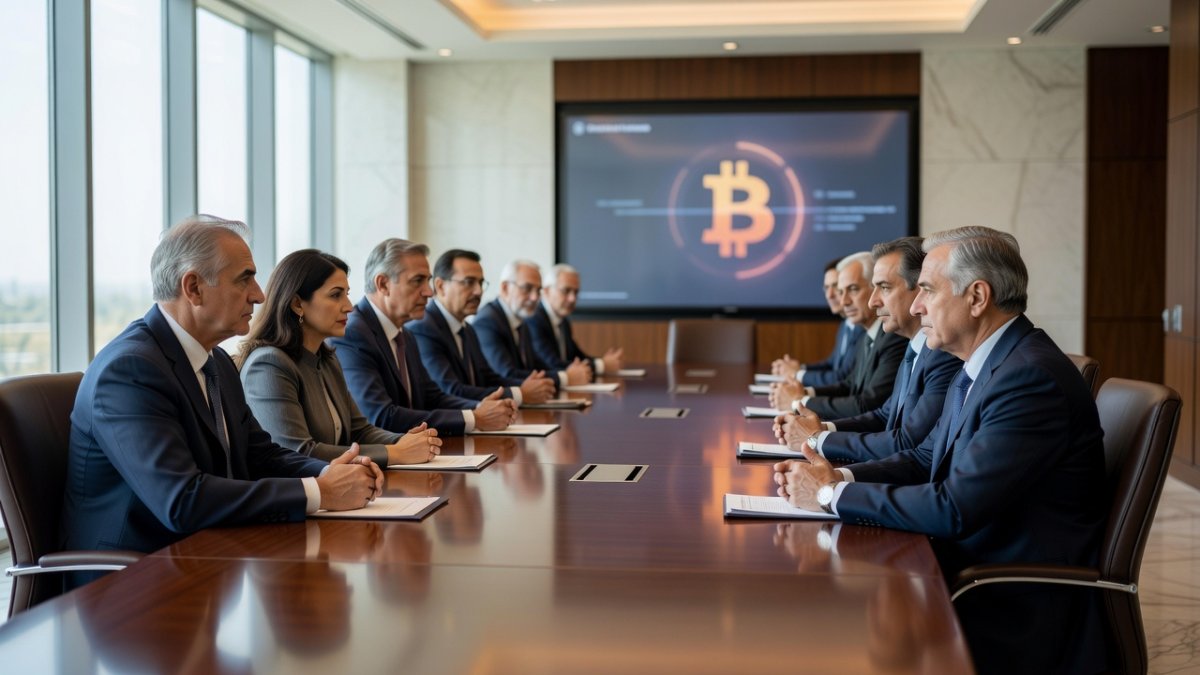
From Prohibition to Regulatory Framework
The State Bank of Pakistan's April 2026 legalization of virtual assets included licensing requirements and oversight mechanisms. Central bank officials presented the move alongside plans for a CBDC, indicating long-term commitment to digital financial infrastructure. The 2026 budget introduced tax provisions for cryptocurrency transactions, completing the transition from a total ban to a regulated environment.
Reports from The Diplomat on February 25, 2026, described the change as Pakistan's "Crypto Gambit." The publication noted that the hasty transition from prohibition to sweeping adoption generated skepticism domestically, but opened new possibilities for international engagement. The regulatory clarity reduced previous uncertainty for foreign partners interested in digital asset cooperation with Islamabad.
Crypto Diplomacy Enters Official Discourse
Daily Pakistan reported on March 26, 2026, that crypto diplomacy had entered official discourse as Pakistan engaged both the United States and Iran. The term refers to the strategic use of digital currency policy to build political connections with Washington. Pakistani officials framed the regulatory changes as evidence of the country's readiness to participate in modern financial dialogues.
Foreign Policy magazine observed on June 1, 2026, that Pakistan had "learned how to sell diplomacy to Trump." The analysis noted that by the time conflict dynamics in 2026 created demand for intermediary channels, Pakistan had already built much of the infrastructure that made its role plausible, including working lines to the Trump administration's circle and maintained relations with Tehran.
Hosting US-Iran Discussions
NHK WORLD-JAPAN reported on April 12, 2026, that United States-Iran talks held in Pakistan ended without reaching an agreement. Pakistan hosted the meetings, providing a neutral venue for discussions between the two parties. The Japan Times reported on March 30, 2026, that Pakistan's crypto diplomacy had helped create the conditions for this intermediary position.
The Japan Times article also mentioned red-carpet treatment in Islamabad for members of the American president's family business during this period, underscoring the growing depth of an increasingly important geopolitical relationship. Pakistan does not recognize Israel, which has complicated its relations with Washington in previous administrations but may have enhanced its credibility as a mediator in the Iran context.
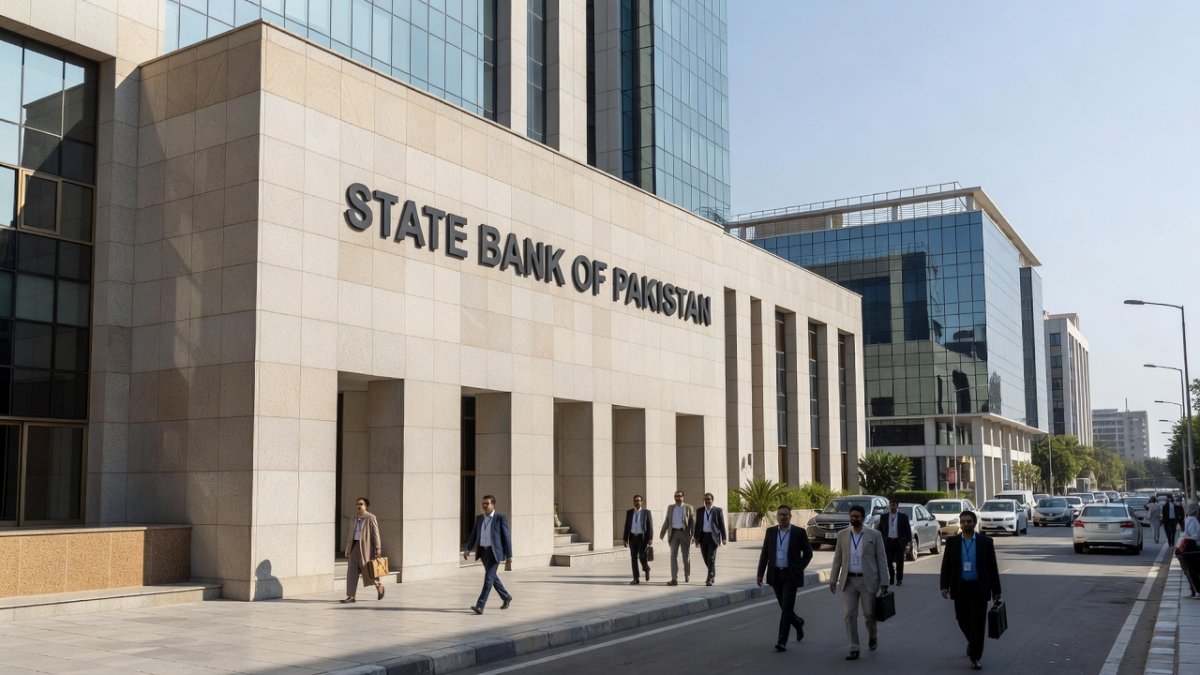
Concrete Policy Measures Supporting the Strategy
The State Bank of Pakistan's April 2026 legalization of virtual assets included specific licensing requirements for cryptocurrency exchanges and wallet providers. Oversight mechanisms were designed to align with Financial Action Task Force (FATF) recommendations, addressing international concerns about money laundering and terrorist financing. Pakistan had been on the FATF grey list from 2018 to 2022, and the regulatory framework for virtual assets was partly motivated by compliance considerations.
The CBDC plans, while not accompanied by specific implementation timelines, signaled to international partners that Pakistan intended to build lasting digital financial infrastructure. The 2026 budget provisions set tax rates for capital gains on cryptocurrency transactions and required reporting by exchanges, creating a formal channel for the government to monitor and benefit from digital asset activity. These measures were presented to foreign counterparts as evidence of Pakistan's regulatory seriousness.
Japan's Perspective on Regional Digital Asset Developments
Japanese policymakers and analysts have followed Pakistan's policy reversal with interest because of its potential effects on global cryptocurrency standards and regional diplomatic dynamics. NHK WORLD-JAPAN covered the topic in a video report highlighting Pakistan's hope that crypto diplomacy would lead to closer US ties. The coverage reflects Japanese media attention on how one country's regulatory choices can influence broader geopolitical calculations in Asia.
Japan maintains its own comprehensive framework for virtual assets through the Financial Services Agency, which was among the first regulators globally to establish licensing requirements for cryptocurrency exchanges following the Mt. Gox incident. Developments in South Asia provide comparative data for Japanese policymakers examining cross-border digital currency issues and the intersection of financial technology with diplomacy.
Implications for Asia Pacific Technology and Finance
Pakistan's crypto diplomacy strategy has implications beyond bilateral US-Pakistan relations. If successful, it could establish a precedent for other developing economies to use digital asset regulation as a diplomatic tool. The approach intersects with broader trends in the Asia Pacific region, where countries including Japan, Singapore, and India are developing distinct regulatory frameworks for cryptocurrencies.
Supply chain considerations also emerge: Pakistan's position along key trade routes and its large, young population make it a potentially significant market for blockchain-based financial services. Technology companies and financial institutions across the Asia Pacific region are monitoring how Pakistan's regulatory framework evolves, as it could create opportunities for cross-border digital payment systems and remittance channels.
Limitations and Uncertainties Ahead
While Pakistan hosted the 2026 US-Iran discussions, the talks concluded without a formal agreement. Reports indicate that crypto diplomacy served as one element among several diplomatic tools rather than a decisive factor. The long-term durability of the regulatory changes will depend on consistent enforcement and continued international acceptance.
No specific timelines for expanded CBDC implementation were confirmed in official sources. The transition from a total ban to full regulation carries implementation risks, including the capacity of Pakistani regulatory agencies to supervise a rapidly evolving sector. International observers will watch for signs of enforcement consistency and whether the regulatory framework withstands political transitions.
What to Watch For
Several developments merit attention in the coming months. The State Bank of Pakistan's CBDC pilot timeline, if announced, would signal concrete progress on digital infrastructure. The outcome of any further US-Iran discussions that involve Pakistan as intermediary will test whether crypto diplomacy translates into measurable diplomatic influence. Finally, the evolution of Pakistan's enforcement regime for virtual asset regulations will determine whether the framework gains credibility with international partners and investors.
Pakistan's experiment with crypto diplomacy represents a notable case of a developing economy using financial technology policy as a foreign policy instrument. Its success or failure will offer lessons for other nations considering similar approaches at the intersection of digital assets and international relations.
By Kenji Tanaka, Staff Writer
This article was produced with AI-assisted research and editorial support. Reporting is based on sources cited in the article.
What's Your Reaction?
 Like
0
Like
0
 Dislike
0
Dislike
0
 Love
0
Love
0
 Funny
0
Funny
0
 Wow
0
Wow
0
 Sad
0
Sad
0
 Angry
0
Angry
0

Japan Correspondent at Global1.News. Tokyo-based voice covering Japanese politics, technology, economy, and culture. Tracks the intersection of tradition and innovation in one of the world's most dynamic societies.















Comments (0)