
Padre Pio Shrine in Batangas Named International Shrine
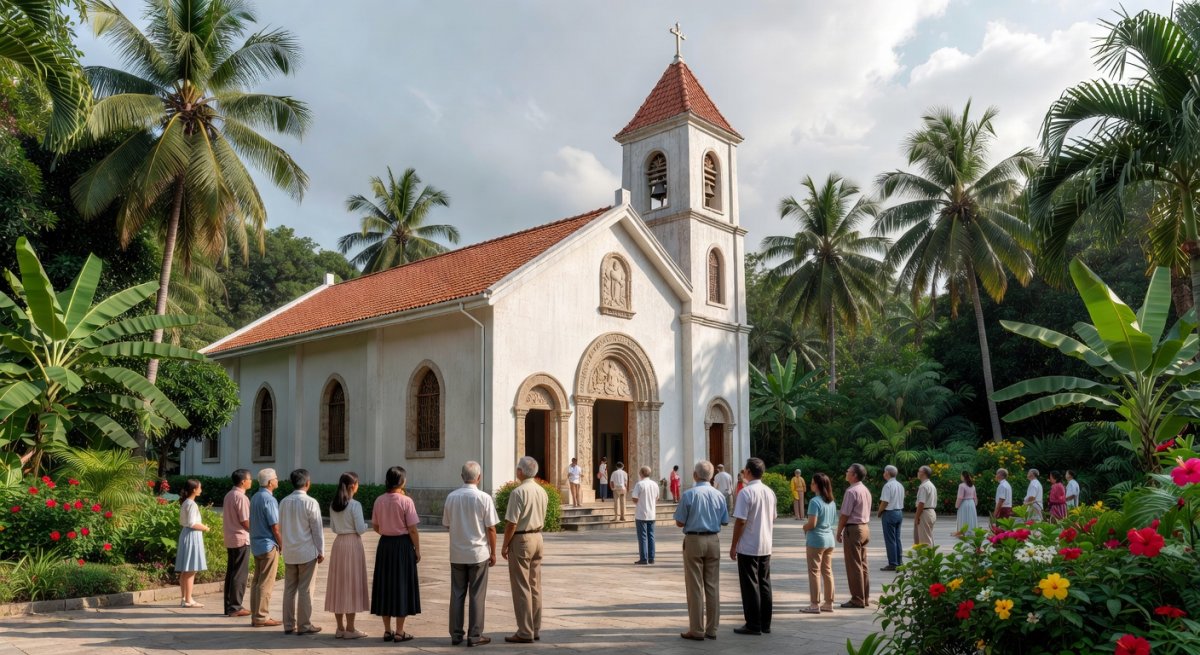
A Historic Recognition for Philippine Faith The announcement came as a joyful surprise for many devotees across the country. On June 4, Lipa Archbishop Gilbert Garcera shared that the National Shrine and Parish of St. Padre Pio in Santo Tomas, Batangas, had been granted international shrine status by the Holy See. The decree, issued by the Dicastery for Evangelization in Vatica
A Historic Recognition for Philippine Faith
The announcement came as a joyful surprise for many devotees across the country. On June 4, Lipa Archbishop Gilbert Garcera shared that the National Shrine and Parish of St. Padre Pio in Santo Tomas, Batangas, had been granted international shrine status by the Holy See. The decree, issued by the Dicastery for Evangelization in Vatican City on May 25, 2026, coincided with the 139th birth anniversary of the Capuchin saint. This marks the second such elevation in the Philippines, following the International Shrine of Our Lady of Peace and Good Voyage in Antipolo, Rizal, which received the status in 2022.
For ordinary Filipinos, this recognition feels deeply personal. Padre Pio, known for his stigmata and tireless intercession for the sick, has long been a source of comfort in households from Manila to the provinces. Families light candles at his image during times of illness, and barangay chapels often hold novenas in his honor. The new status means the Santo Tomas shrine now draws pilgrims from beyond our shores, yet it remains rooted in the everyday faith that sustains our communities.
The Shrine's Place in Batangas Life
Located in Santo Tomas, the shrine has served as a spiritual anchor for Batangas residents for years. Local families visit on weekends, often bringing children after Sunday Mass or gathering for special intentions before school exams. Jeepney drivers and tricycle operators in the area know the route well, and sari-sari store owners nearby prepare extra snacks on feast days when crowds swell.
The elevation brings quiet pride to the province. Batangas has always contributed to the national story through its resilient people, from farmers tending their lands to workers heading overseas. Now, the shrine's international standing highlights how faith and local devotion can reach the wider world while staying close to home. The declaration itself is scheduled for September 23, the saint's feast day, giving the community time to prepare in the spirit of bayanihan.
Strengthening Devotion Among Families
Padre Pio's intercession has touched countless Filipino households. Parents pray for children working abroad, while grandparents seek healing for chronic conditions. The shrine's new status is expected to encourage even more families to make the pilgrimage together, turning a personal act of faith into a shared experience that strengthens bonds across generations.
In many barangays, devotion to the saint already brings neighbors together. During difficult seasons, such as after typhoons or amid rising prices, communities organize group rosaries at the shrine. This elevation affirms that such grassroots faith matters on a global scale. It reminds us that the Church in the Philippines continues to grow in influence through the quiet witness of its people.
Economic and Cultural Ripples for Local Communities
While the spiritual dimension comes first, the practical effects on Santo Tomas and surrounding towns cannot be overlooked. Increased pilgrim traffic often supports small businesses, from food vendors selling kakanin to local artisans offering religious items. LGUs in Batangas may see opportunities to improve roads and facilities around the shrine, benefiting residents who rely on tourism and daily commerce.
Culturally, the shrine reinforces the deep Catholic heritage that shapes Philippine identity. From Pasko celebrations to barrio fiestas, faith weaves through our traditions. An international shrine in Batangas adds another layer, inviting visitors to witness how Filipinos express devotion with warmth and hospitality. This can foster greater understanding between our communities and those from other nations who share the same love for the saint.
Reaching Out to Overseas Filipino Workers
OFWs form a vital part of the story. Many who serve in hospitals, homes, and construction sites abroad carry images of Padre Pio in their wallets or phones. They send intentions back home for masses at the shrine, trusting his prayers during lonely or challenging times. The international status could make the site even more meaningful for them, offering a place where their sacrifices are honored in a setting recognized worldwide.
Relatives left behind also feel the connection. A mother in Batangas might visit the shrine to light a candle for her daughter in the Middle East, while a father prays for his son's safety on a ship. This recognition extends that circle of prayer, linking Philippine families with devotees from distant countries who now have another sacred destination on their maps.
Preparing for the September 23 Declaration
The formal declaration on the feast day promises to be a moment of thanksgiving. Parish leaders and volunteers are already thinking about how to welcome larger crowds while keeping the focus on prayer and reflection. The shrine's statement emphasizes deepening faith and uniting in gratitude, sentiments that resonate with the Filipino way of facing blessings through communal celebration.
Archbishop Garcera's words highlight the milestone for the entire Church in the Philippines. As the second international shrine, it stands alongside Antipolo as a beacon for global pilgrims. Yet its heart remains in the daily life of Santo Tomas, where ordinary people continue their devotions amid work, school, and family responsibilities.
A Call to Deeper Faith for All
This development invites every Filipino to reflect on the role of saints in our spiritual journey. Padre Pio's life of suffering and service mirrors the quiet endurance many families show in facing hardships. The shrine's elevation encourages us to visit not just for special occasions but as part of regular life, whether for guidance during elections, comfort after loss, or simple gratitude for daily blessings.
Communities across the country can draw inspiration from Batangas. Barangay captains and parish councils elsewhere may organize their own pilgrimages, strengthening ties between regions. In this way, the recognition becomes more than a title. It becomes a shared gift that uplifts faith, fosters unity, and reminds us of the abundant blessings we receive through the intercession of St. Padre Pio.
By Bella Reyes, Staff WriterThis article was produced with AI-assisted research and editorial support. Reporting is based on sources cited in the article.
What's Your Reaction?
 Like
0
Like
0
 Dislike
0
Dislike
0
 Love
0
Love
0
 Funny
0
Funny
0
 Wow
0
Wow
0
 Sad
0
Sad
0
 Angry
0
Angry
0

Africa Correspondent at Global1.News. Based in Lagos, covering politics, business, technology, and culture across the continent. Focused on telling African stories beyond the headlines — the innovation, entrepreneurs, and communities shaping the region's future.












Comments (0)