
Venezuela Earthquake: 4,490 Dead, 680,000 Children in Crisis
A pair of powerful earthquakes struck northwestern Venezuela on June 24, 2026, killing thousands and worsening an already severe humanitarian crisis in the country. Rescue operations continue amid aftershocks, with the death toll reported at 4,490 according to Reuters, while more than 680,000 children require urgent assistance per UNICEF.
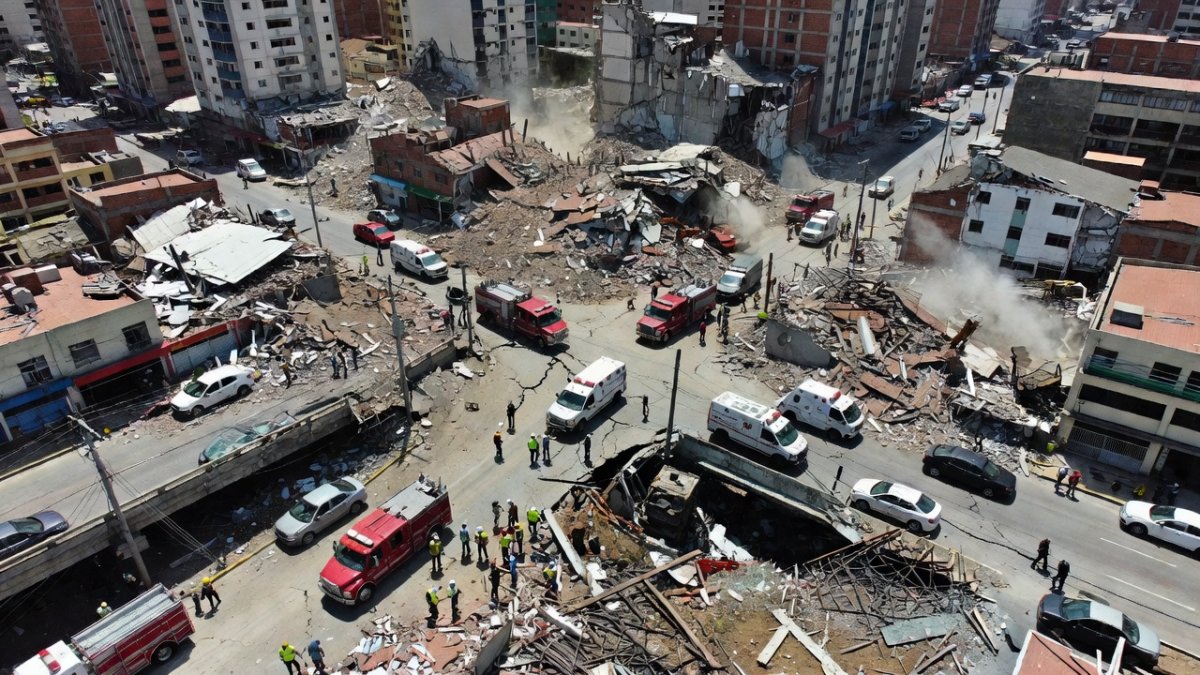
A pair of powerful earthquakes struck northwestern Venezuela on June 24, 2026, killing thousands and worsening an already severe humanitarian crisis in the country. Rescue operations continue amid aftershocks, with the death toll reported at 4,490 according to Reuters, while more than 680,000 children require urgent assistance per UNICEF.
Venezuela's 7.5 Earthquake: 4,490 Dead, 680,000 Children in Crisis as Humanitarian Disaster Deepens
Atlanta, GA — Two back-to-back earthquakes devastated parts of northwestern Venezuela, leaving 4,490 people dead as of July 11 and pushing the nation’s fragile systems into deeper crisis, Reuters reported.
The Deadliest Quake in a Century
On June 24, 2026, two massive earthquakes hit northwestern Venezuela just 39 seconds apart, according to CNN. The first registered 7.2 magnitude at 18:04 VET, followed by a 7.5 mainshock—the strongest to strike the country since 1900, Britannica noted. Epicenters were located in Veroes Municipality, Yaracuy state, about 100 miles west of Caracas. More than 600 aftershocks have followed since. Venezuela lies at the intersection of the Caribbean and South American plates, a fact long documented by USGS data on regional seismicity. The 7.2 foreshock and 7.5 mainshock formed a classic doublet along the same fault segment, with shallow depth around 10 kilometers allowing intense surface shaking. Damage concentrated in Veroes, San Felipe, and surrounding valleys in Yaracuy, with spillover into Aragua and Carabobo. Unreinforced masonry and aging concrete structures, never designed for lateral forces, collapsed in large numbers—over 100,000 buildings damaged or destroyed. Pre-existing economic conditions had prevented basic retrofitting, turning predictable seismic risk into widespread structural failure.
The Human Toll: 4,490 Lives and Counting
The death toll stands at 4,490 and continues to rise, Reuters confirmed on July 11. More than 16,700 people were injured and thousands remain missing. Hospitals face overwhelming demand, power grids are down, and mountain roads are blocked. Rescue teams pulled a toddler alive from rubble in La Guaira six days after the quake, according to UN reports. Blocked roads and fuel shortages continue to slow aid delivery and isolate families in valleys where aftershocks trigger additional landslides.
Children in Crisis: 680,000 at Risk
UNICEF reports that more than 680,000 children across six affected states now need urgent humanitarian aid. These children are cut off from food, water, and medicine while aftershocks persist. Families sleep in the open, and field teams have documented rising cases of diarrhea and respiratory infections. UNICEF operates mobile health posts and temporary learning spaces in Yaracuy and La Guaira, providing oral rehydration, measles vaccines, and basic psychosocial support. More than 1,200 schools suffered major damage, affecting at least 180,000 students. Family separation is increasing as parents search for supplies. Long-term effects include higher dropout risks, stunted growth, and mental-health burdens that will persist for years. The same infrastructure gaps that delay international aid also limit families’ access to safer locations.
A Nation Already on Its Knees
Venezuela faced deep economic and political challenges before the earthquakes. Hospitals already lacked supplies and basic services were strained. The quakes added blocked roads, power outages, and hundreds of aftershocks. The disaster amplified existing weaknesses rather than creating them, complicating medical evacuations and reconstruction efforts.
The International Response
UN, UNICEF, and Red Cross teams mobilized quickly. The UN launched a $180 million flash appeal within 72 hours, UN News reported. The United States committed $45 million in immediate aid. Colombia, Brazil, and Spain pledged medical teams and logistics support. Red Cross field hospitals now operate in San Felipe and La Guaira. Mountain roads remain blocked, so airlifts and helicopter drops run daily when weather permits. Venezuelan diaspora communities in Miami, Madrid, and Bogotá have sent millions in private remittances. Fuel shortages and damaged airstrips still slow deliveries, turning routine supply runs into multi-day operations.
What This Means for the Region
The disaster extends beyond Venezuela’s borders. Colombia and Brazil have recorded several thousand new arrivals in the first two weeks, with more expected. Caribbean islands including Trinidad and Curaçao are preparing for possible boat migration. Venezuela’s oil infrastructure in Carabobo and Falcón sustained damage, tightening regional supply and contributing to higher prices. Weakened governance and displaced populations create openings for armed groups and smuggling networks. Educational and health setbacks among children will also affect neighboring countries as families seek stability elsewhere.
The Bottom Line
Two earthquakes 39 seconds apart produced a 7.5-magnitude event that Venezuela will not soon forget. Thousands are dead, hundreds of thousands displaced, and a country already under strain now faces years of recovery. The aftershocks continue, and children will carry the longest-term consequences. International assistance is arriving, yet the scale of need remains immense.
By Jessica Ali, Senior Correspondent — Global 1 News
This article was produced with AI-assisted research and editorial support. Reporting is based on sources cited in the article.
What's Your Reaction?
 Like
0
Like
0
 Dislike
0
Dislike
0
 Love
0
Love
0
 Funny
0
Funny
0
 Wow
0
Wow
0
 Sad
0
Sad
0
 Angry
0
Angry
0

Editor-in-Chief at Global1.News. Atlanta-based journalist who cuts through the BS and tells it like it is. Lead anchor, host, and the voice you hear when the spin stops and the truth starts.













Comments (0)