
Open-Source AI Voices Rival ElevenLabs Locally for Free
The democratization of AI voice cloning has reached a decisive tipping point. Open-source tools now let users generate professional-grade text-to-speech voices entirely on local hardware at no cost, directly challenging paid platforms like ElevenLabs. This shift carries major implications for content creators, developers, and especially individuals who have lost their natural v
The democratization of AI voice cloning has reached a decisive tipping point. Open-source tools now let users generate professional-grade text-to-speech voices entirely on local hardware at no cost, directly challenging paid platforms like ElevenLabs. This shift carries major implications for content creators, developers, and especially individuals who have lost their natural voices.
From Paid to Free: The Local AI Voice Revolution
Atlanta, GA – June 23, 2026 — A new wave of freely available software is making high-quality AI voice synthesis accessible without subscriptions or cloud services. Developers and researchers have refined the XTTS model, a fork of the original Coqui TTS project, along with dedicated fine-tuning pipelines and a streamlined WebUI. These tools run completely offline on consumer GPUs, producing voices that match or exceed the naturalness previously available only through commercial services.
The Tipping Point for Open-Source Voice AI
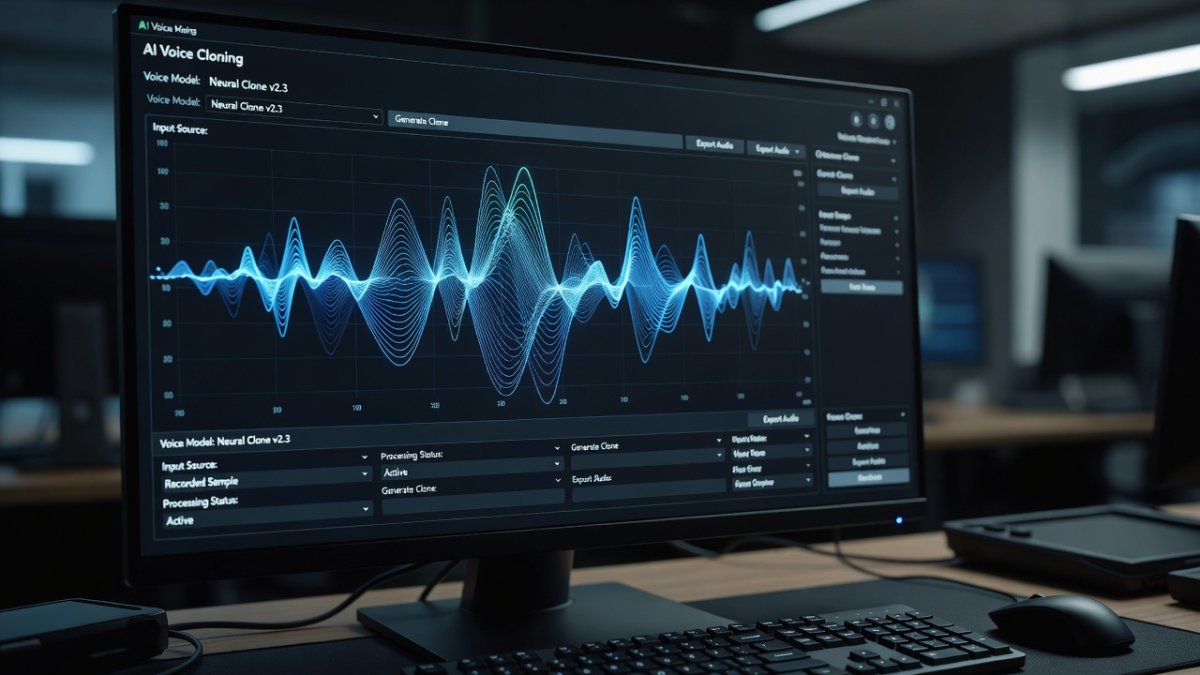
Local TTS systems have matured rapidly over the past two years. The XTTS model from the Coqui ecosystem supports zero-shot voice cloning from short audio samples and allows users to fine-tune the model on their own datasets for even greater accuracy. The accompanying WebUI simplifies installation and inference, removing the need for complex command-line operations. These advances mean that what once required expensive cloud credits can now be achieved on a personal machine with results suitable for professional use.
What ElevenLabs Built — and What's Changing
ElevenLabs established itself as a leader in AI voice generation by offering high-fidelity voices through a subscription model. Its technology set a benchmark for emotional expressiveness and multilingual support. However, the emergence of fully local alternatives removes recurring fees and data-sharing requirements. Users can now replicate similar quality without sending text or voice samples to third-party servers, shifting the balance toward individual control.
Running Voice AI Locally: What You Need
Installation typically requires an NVIDIA GPU with at least 8 GB of VRAM for comfortable operation, though lighter configurations can run inference on CPU with reduced speed. The software stack centers on the XTTS model, Python-based fine-tuning scripts, and the WebUI interface that handles model loading and audio generation. Setup guides in the video demonstrate cloning a voice in minutes and exporting usable audio files without external dependencies.
Beyond Cost: The Privacy and Accessibility Case
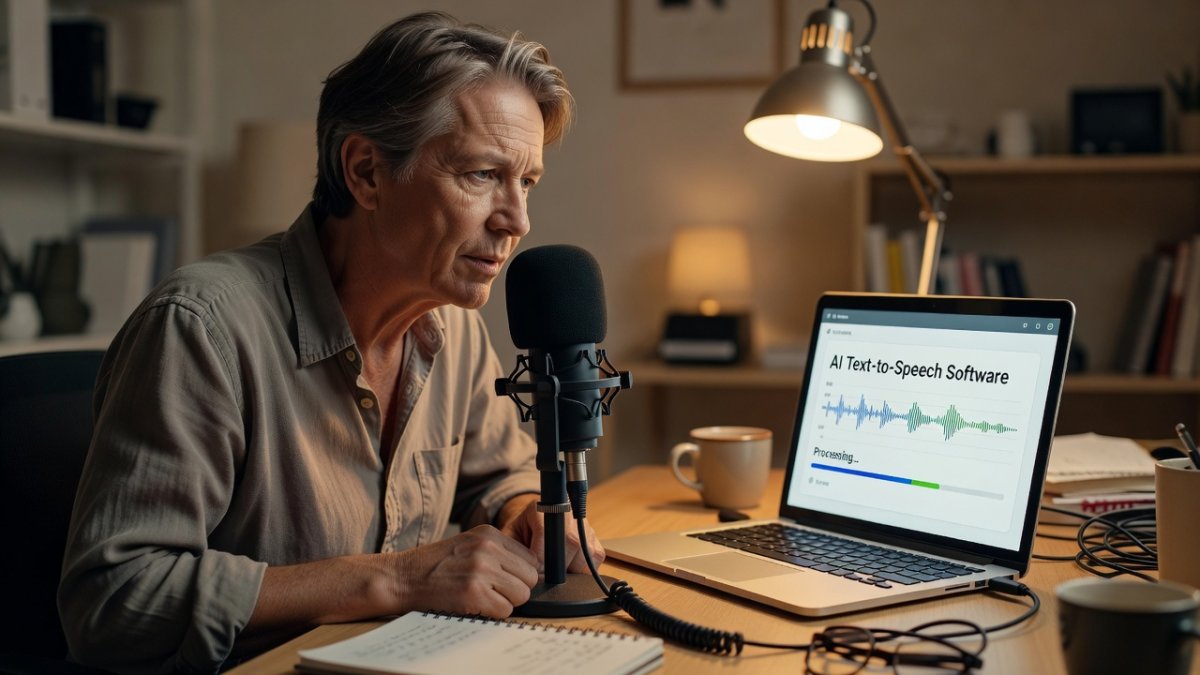
Processing everything locally keeps sensitive voice data and generated speech on the user’s device. This privacy advantage matters for medical and personal applications. The Associated Press has reported on AI voice cloning helping people with voice disabilities speak in their own natural voice, highlighting real-world medical use cases. Local tools extend that potential by eliminating the need to upload personal recordings to commercial platforms.
Use Cases Reshaping Content Creation
Independent creators can now produce narration for YouTube videos, podcasts, and short films without budget constraints. Indie game developers integrate custom voices for characters at no additional cost. Audiobook producers experiment with multiple narrator styles from a single local setup. Language-learning apps benefit from consistent, high-quality pronunciation models. Accessibility tools gain from offline operation, ensuring users retain control over their synthetic voices in any environment.
The Bottom Line
The availability of free, local alternatives signals a broader change in how voice AI will be developed and distributed. Commercial providers may need to differentiate through specialized features or enterprise support, while open-source communities continue to iterate quickly. For most users, the ability to create and own professional voices without ongoing payments or data exposure represents a meaningful expansion of creative and personal freedom.
By Jessica Ali, Staff Writer
This article was produced with AI-assisted research and editorial support. Reporting is based on sources cited in the article.
What's Your Reaction?
 Like
0
Like
0
 Dislike
0
Dislike
0
 Love
0
Love
0
 Funny
0
Funny
0
 Wow
0
Wow
0
 Sad
0
Sad
0
 Angry
0
Angry
0

Editor-in-Chief at Global1.News. Atlanta-based journalist who cuts through the BS and tells it like it is. Lead anchor, host, and the voice you hear when the spin stops and the truth starts.















Comments (0)