
US Senator Lindsey Graham Dead at 71: What It Means for Canada
In a recent CBC News report, US Senator Lindsey Graham of South Carolina died on Saturday after emergency personnel responded to a cardiac arrest call at his Capitol Hill residence. The District of Columbia medical examiner determined the cause as aortic dissection due to arteriosclerotic cardiovascular disease. The 71-year-old Republican had returned the previous day from a tr
In a recent CBC News report, US Senator Lindsey Graham of South Carolina died on Saturday after emergency personnel responded to a cardiac arrest call at his Capitol Hill residence. The District of Columbia medical examiner determined the cause as aortic dissection due to arteriosclerotic cardiovascular disease. The 71-year-old Republican had returned the previous day from a trip to Ukraine where he met President Volodymyr Zelenskyy — a final diplomatic mission that underscored his decades-long focus on foreign policy.
US Senator Lindsey Graham Dead at 71: What It Means for Canada
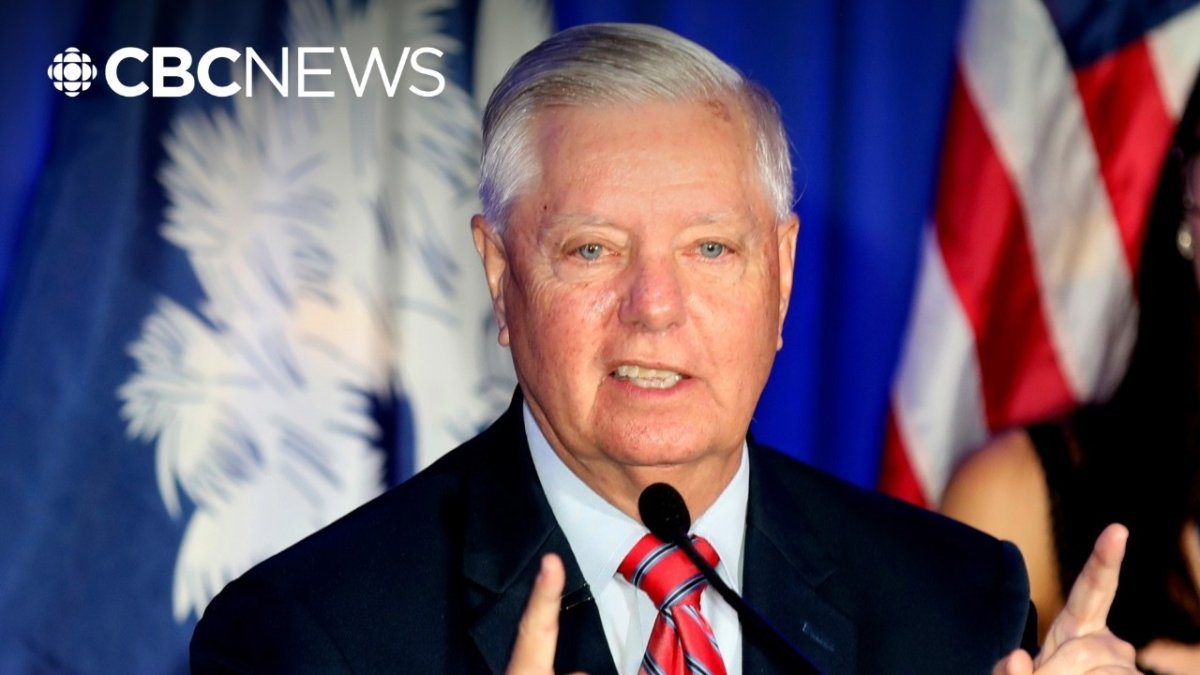
Ottawa – This week — Lindsey Graham, the Republican senator from South Carolina who evolved from a vocal Trump critic into one of the president's most loyal Capitol Hill allies, has died at age 71. His office confirmed the death early Sunday, describing a "brief and sudden illness." The DC medical examiner's preliminary report identified aortic dissection resulting from arteriosclerotic cardiovascular disease as the cause.
Circumstances of His Final Days
Emergency personnel responded to a cardiac arrest call at Graham's Capitol Hill home on Saturday evening. The senator had returned from Ukraine on Friday, July 10, following meetings with President Volodymyr Zelenskyy in Kyiv. He had appeared publicly at a campaign event in Spartanburg, South Carolina, on June 30 — just 11 days before his death — and had shown no outward signs of medical distress.
The DC medical examiner's preliminary finding of aortic dissection due to arteriosclerotic cardiovascular disease points to a tear in the body's main artery, a condition that can prove fatal within minutes without immediate surgical intervention. No additional contributing factors were identified in the initial report.
A Political Career of Transformation
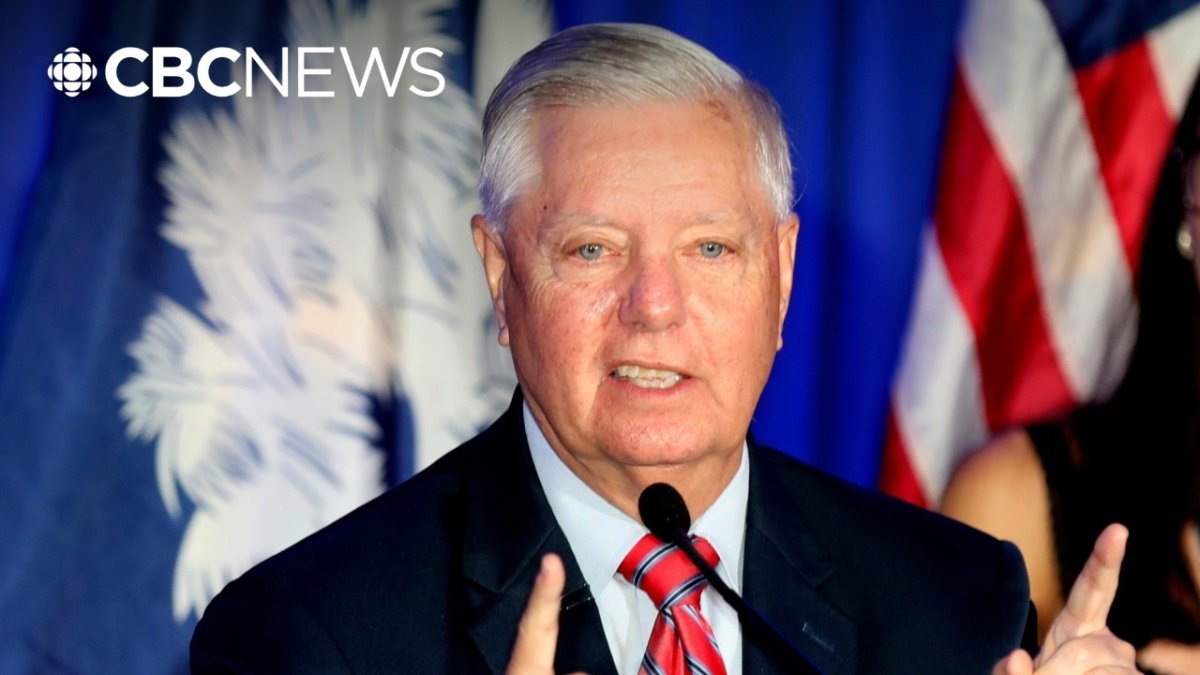
Lindsey Olin Graham served in the US Senate since 2003, completing four full terms representing South Carolina. He secured the Republican nomination for a fifth term in the June 2026 primary, defeating several challengers. Under South Carolina law, Governor Henry McMaster will appoint a temporary replacement to serve until January 3, 2027.
Graham's political journey included a remarkable transformation. During the 2016 Republican primaries, he was one of Donald Trump's most outspoken critics, famously calling him a "race-baiting, xenophobic, religious bigot." By the time of his death, Graham had become one of Trump's most consistent defenders and legislative partners — a shift that mirrored the broader realignment of the Republican Party around the president's populist agenda.
Before entering the Senate, Graham served as an Air Force lawyer and member of the South Carolina Air National Guard. He graduated from the University of South Carolina School of Law and brought a military lawyer's precision to his committee work on the Senate Judiciary and Armed Services committees. He never married and had no children.
Foreign Policy Record: Ukraine, NATO and Canada's Stake
Graham was a leading neoconservative voice who advocated consistently for a muscular US role abroad. He supported military aid to Ukraine, expansion of NATO membership, and strong ties with Israel. His final overseas trip — to Kyiv just one day before his death — reflected the priority he placed on Ukraine's defence against Russian aggression.
For Canada, Graham's advocacy on these files carried direct consequences. Canada has committed more than $19 billion in military, financial and humanitarian aid to Ukraine since 2022 through Operation Unifier and related programmes administered by the Department of National Defence and Global Affairs Canada. Graham's position on the Senate Appropriations Committee allowed him to influence the US funding that has complemented Canadian contributions.
On NATO, Graham was a persistent advocate for member nations to meet the two per cent of GDP defence spending target — a commitment Canada has worked toward through its Our North, Strong and Free defence policy update and increased equipment purchases. Canada's current defence spending stands at approximately 1.55 per cent of GDP, with a target timeline extending to 2032. Graham's absence removes a prominent voice who pressed Ottawa directly on this file during his annual appearances at the Halifax International Security Forum.
Trade Implications: Softwood Lumber and CUSMA
Graham's influence extended to Canada-US trade relations, particularly on softwood lumber and the Canada-United States-Mexico Agreement (CUSMA). His committee assignments allowed him to shape positions on the softwood lumber dispute, which has seen US countervailing duties climb to 35.19 per cent — a levy that the Canadian Forest Products Association estimates costs Canadian producers hundreds of millions annually.
British Columbia and Quebec, Canada's largest softwood lumber exporting provinces, have felt these duties most acutely. The Bank of Canada has identified stability in Canada-US trade relations as a factor in its interest rate decisions, which in turn affect housing affordability and mortgage costs for Canadian homeowners. Graham's institutional knowledge on these files — accumulated over more than two decades in the Senate — will not be easily replaced.
On the automotive sector, Graham had been a voice for supply chain integration between the two countries, supporting provisions that protected Canadian parts manufacturers under CUSMA rules of origin. His successor's positions on these issues remain unknown.
Reactions and Tributes
President Donald Trump issued a statement calling Graham "one of the greatest people and Senators I have ever known." The president recalled their last conversation hours before Graham's death, saying the senator sounded "perfect" on the phone.
In Canada, officials at Global Affairs Canada have acknowledged Graham's role in maintaining robust Canada-US defence ties. The Department of National Defence noted his support for NATO burden-sharing commitments. Provincial premiers in British Columbia and Alberta — whose economies rely on cross-border resource exports — have been monitoring the vacancy for signals on trade policy continuity.
World leaders also paid tribute. Ukrainian President Volodymyr Zelenskyy described Graham as a "true friend of Ukraine." Israeli Prime Minister Naftali Bennett praised his "unwavering support for Israel's security." European allies noted his role in securing multiple rounds of Ukraine aid packages through Congress.
Impact on Senate Dynamics for Canada-Relevant Legislation
Graham's death shifts the balance within the Republican caucus on several legislative fronts critical to Canada. The Senate vacancy — to be filled by Governor McMaster's appointee — temporarily reduces the Republican majority and could affect the path of bills related to critical minerals, electric vehicle supply chains, and energy exports.
Canadian trade negotiators monitor Senate committee assignments closely because legislation on tariffs and regulatory alignment requires approval in both chambers. The Senate Judiciary Committee, where Graham was a senior member, handles immigration and border security matters that affect cross-border travel and the temporary foreign worker programme relied upon by Canadian agriculture and construction sectors.
Prime Minister Justin Trudeau's government has emphasised coordinated responses with the United States on shared economic and security files. The loss of a senator with Graham's institutional knowledge requires adjustments in how Ottawa engages Capitol Hill on bilateral priorities.
What Happens Next
Governor McMaster will name an interim senator to fill Graham's seat until January 2027. The appointee will serve until a special election, which South Carolina law requires to be scheduled at the next general election cycle. Graham had already won the Republican primary for the November 2026 general election, meaning the special election for the remainder of his term will follow state election rules.
In Washington, Senate committees will reorganise to account for the vacancy on the Judiciary, Appropriations and Armed Services panels — all committees with jurisdiction over matters affecting Canadian interests. The loss of a senior appropriator on defence spending may slow the pace of Ukraine aid packages in the short term.
For Canadians, the implications will unfold over coming months. The softwood lumber dispute, NATO spending expectations, and the trajectory of US-Ukraine support all face new uncertainty. One thing is clear: a singular voice in American politics — one who shifted from foe to friend of a president and who shaped US foreign policy for a generation — has fallen silent.
By Alex Thompson, Staff Writer
This article was produced with AI-assisted research and editorial support. Reporting is based on sources cited in the article.
What's Your Reaction?
 Like
0
Like
0
 Dislike
0
Dislike
0
 Love
0
Love
0
 Funny
0
Funny
0
 Wow
0
Wow
0
 Sad
0
Sad
0
 Angry
0
Angry
0

Canada Correspondent at Global1.News. Based in Toronto, covering Canadian politics, energy, trade, and US-Canada relations. Provides the Canadian perspective on North American and global affairs.














Comments (0)