
Charlie Kirk Assassination Case: Latest Court Ruling
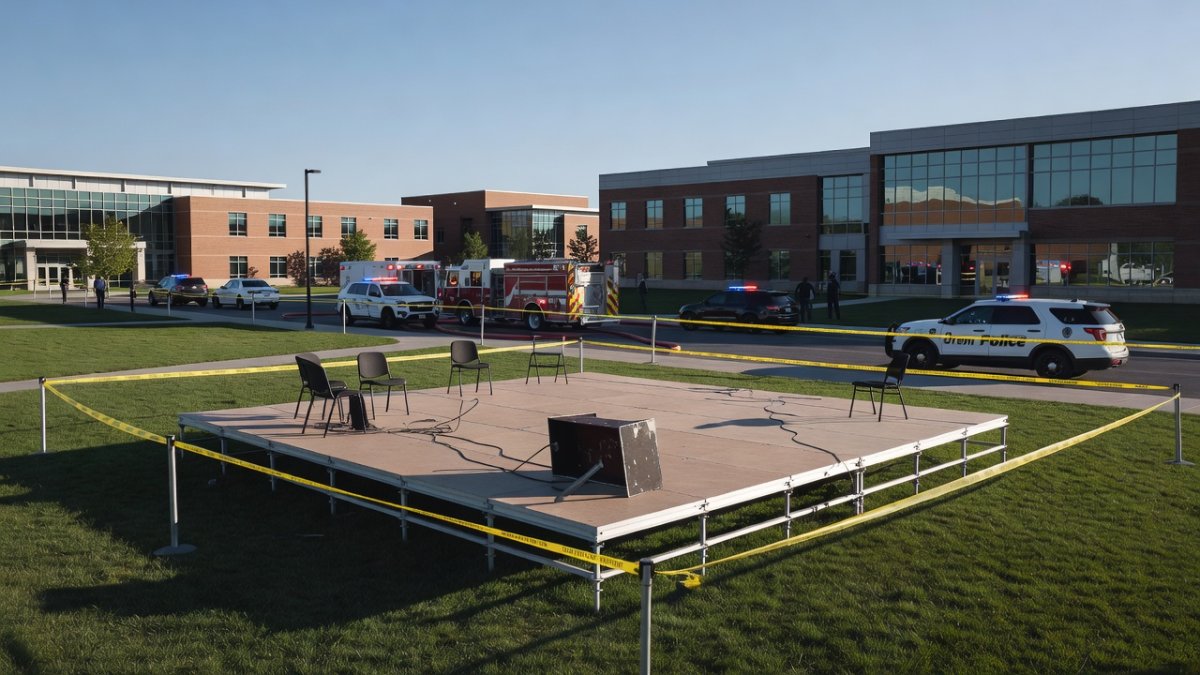
The Assassination: A Nation Shattered On September 10, 2025, the quiet campus of Utah Valley University in Orem, Utah, became the site of an unimaginable tragedy during an outdoor TPUSA debate event. The gathering, meant to foster open discussion among young conservatives, was shattered when a rooftop sniper opened fire in broad daylight. Attendees who had come expecting spirit
The Assassination: A Nation Shattered
On September 10, 2025, the quiet campus of Utah Valley University in Orem, Utah, became the site of an unimaginable tragedy during an outdoor TPUSA debate event. The gathering, meant to foster open discussion among young conservatives, was shattered when a rooftop sniper opened fire in broad daylight. Attendees who had come expecting spirited exchanges instead witnessed chaos as shots rang out across the sunny afternoon. The attack left the community reeling from the sudden violence that unfolded without warning.
The victim was Charlie Kirk, the founder of Turning Point USA, an organization he established in 2012 to engage college students in conservative principles. Kirk had built TPUSA into a major force in American politics, known for its campus activism and voter mobilization efforts. As a close ally of former President Donald Trump, he frequently appeared at rallies and media events, amplifying messages that resonated with millions. His presence at the Utah debate underscored his commitment to reaching the next generation of leaders.
The sniper’s position on a nearby rooftop allowed for a clear line of sight during the public forum, turning a routine speaking engagement into a targeted killing. Witnesses described the scene as one of immediate panic, with security rushing to respond while the crowd scattered for cover. The brazen nature of the attack in full daylight highlighted vulnerabilities at such events. Kirk’s death sent shockwaves through political circles, marking a dark chapter in recent American history.
In the hours following the shooting, tributes poured in from across the political spectrum, though the focus remained on the loss of a prominent voice. The incident at Utah Valley University exposed deep tensions in the country, where public debates had increasingly faced threats. Kirk’s legacy as an organizer and advocate was cut short in a moment that would be remembered for its brutality and timing.
The Suspect: Tyler James Robinson
Tyler James Robinson, a 22-year-old resident of Washington, Utah, a suburb of St. George, was arrested and charged with first-degree murder in connection with the assassination. Authorities identified him as the individual responsible for the rooftop shooting that claimed Charlie Kirk’s life. The case quickly drew national attention due to the severity of the charges and the possibility that prosecutors would seek the death penalty. Robinson’s background became a focal point for investigators seeking to understand the motive behind the attack.
Residents of Washington, Utah, described Robinson as a quiet young man who had lived in the area for several years prior to the incident. Little public information emerged about his employment or daily activities, leaving room for speculation about what led him to the university campus that day. Law enforcement officials confirmed that he acted alone in carrying out the sniper attack during the TPUSA debate. The community in southern Utah grappled with the revelation that one of their own was tied to such a high-profile crime.
Questions about radicalization surfaced almost immediately after Robinson’s arrest, as details of his online activity and personal associations came under scrutiny. Investigators examined whether exposure to extreme ideologies played a role in his decision to target Kirk. Friends and acquaintances reported noticing changes in his behavior in the months leading up to September 2025, though specifics remained limited. The case highlighted ongoing concerns about how individuals become drawn into violent extremism.
Prosecutors emphasized the premeditated nature of the crime, citing evidence gathered from the scene and Robinson’s movements before the event. The death penalty remained on the table as the legal process advanced, reflecting the gravity of assassinating a national political figure. Robinson’s family maintained a low profile, offering no public statements in the initial weeks. The investigation continued to probe any connections that might explain the path from a small-town resident to accused killer.
Judge Tony Graf's Courtroom
Judge Tony Graf presided over the early proceedings in the case against Tyler James Robinson, setting a tone of transparency from the outset. The defense team made multiple attempts to close the hearings to the public, arguing that media coverage could prejudice potential jurors. Graf rejected these motions, ruling that the proceedings would remain open to ensure accountability in a matter of significant public interest. This decision allowed journalists and observers to follow developments closely.
Efforts by the defense to bar cameras from the courtroom were also denied by Judge Graf. He determined that visual access would not interfere with the fairness of the trial and could instead promote greater understanding of the judicial process. Supporters of open proceedings welcomed the ruling, viewing it as a safeguard against secrecy in a case already steeped in national controversy. The presence of cameras ensured that key arguments would be documented for the record.
Another defense request sought to seal what was described as volatile evidence, claiming its release could endanger witnesses or inflame public opinion. Graf again ruled against the motion, stating that the public’s right to information outweighed the concerns raised. The judge’s consistent stance on openness shaped the atmosphere in his courtroom during pretrial motions. Observers noted that these early decisions could influence how the case progressed through the system.
The preliminary hearing was scheduled for July 6 through July 10, 2026, providing a structured timeline for both sides to present initial evidence. This period would determine whether sufficient grounds existed to proceed to a full trial. Judge Graf managed the docket with an emphasis on efficiency while upholding procedural standards. The rulings established a framework that balanced the rights of the accused with the demands of public scrutiny.
Legal analysts observed that Graf’s approach reflected broader principles of judicial openness in high-profile matters. The defense continued to advocate for measures that would limit exposure, but the judge maintained his positions across multiple hearings. This phase of the case set expectations for how evidence and testimony would be handled moving forward.
The June 22 Ruling That Changed Everything
On June 22, 2026, Judge Tony Graf issued a ruling that significantly impacted the defense strategy in the Tyler James Robinson case. The defense had sought to compel Lance Twiggs, Robinson’s former roommate and a trans-identifying individual, to testify in person during the preliminary hearing. Graf denied this request, limiting the defense’s ability to cross-examine Twiggs directly at that stage. The decision shifted focus to other forms of evidence available to both sides.
The judge allowed the state to introduce hearsay evidence under provisions of the Utah Constitution, recognizing that reliable hearsay could establish probable cause. This ruling enabled prosecutors to rely on statements from witnesses without requiring their physical presence at the preliminary stage. Defense attorneys argued that such evidence lacked the rigor needed for a fair assessment, but Graf upheld the allowance based on established legal standards. The move streamlined the hearing process while preserving core constitutional protections.
Twiggs’ connection to Robinson as a former roommate added layers of complexity to the proceedings, though the ruling kept his direct involvement minimal at the preliminary level. Prosecutors indicated they would present corroborating materials to support the charges without needing Twiggs’ live testimony. The June 22 decision underscored the court’s priority on determining probable cause efficiently. It also set precedents for how similar requests might be handled in future hearings.
Observers noted that the ruling could affect the overall pace of the case as it moved toward the July preliminary dates. The defense expressed disappointment but prepared alternative approaches for challenging the evidence. Graf’s order balanced the need for thorough examination with practical considerations of witness availability. This development marked a pivotal moment in shaping the trajectory of the murder prosecution.
Erika Kirk's Vow
Erika Kirk, widow of Charlie Kirk, delivered her first public comments in the weeks after the assassination, speaking through tears about the profound loss her family had endured. She expressed determination to honor her husband’s memory by continuing the work he had started. Her words resonated with supporters who had followed TPUSA’s growth over the years. The emotional address highlighted the personal toll of the tragedy on those closest to the victim.
She vowed that she would never let his legacy die, committing herself to sustaining the organization’s mission of engaging young people in political discourse. Erika emphasized the values of open debate and civic involvement that had defined Charlie’s career since founding TPUSA in 2012. Her pledge served as a rallying point for those mourning the loss of a key conservative figure. The comments marked a transition in leadership for the group amid ongoing grief.
In her statement, Erika issued a clear warning that the movement her husband built would not die, signaling resolve in the face of violence. She called on supporters to remain active and united in advancing the causes Charlie had championed. The public remarks provided a measure of continuity for TPUSA during a period of uncertainty. Her voice emerged as a steady presence in the aftermath of the September 2025 events.
A Nation Divided
The assassination of Charlie Kirk exposed fractures across American society, with figures like Candace Owens publicly clashing with the FBI over access to information related to the investigation. Owens demanded greater transparency regarding evidence and potential leads, accusing federal agencies of withholding details that could clarify the motive. These disputes fueled broader debates about trust in institutions handling high-profile cases. The tensions reflected ongoing skepticism toward official narratives in politically charged matters.
International media outlets including the BBC, The Guardian, the New York Post, AP, and Reuters provided extensive coverage of the case, framing it within discussions of political violence in the United States. Reports highlighted how the killing at Utah Valley University had intensified concerns about the safety of public figures and the future of open debate. Foreign commentators drew parallels to other incidents of targeted attacks on political activists. The global attention underscored the event’s significance beyond domestic borders.
The case brought renewed focus on the erosion of democratic norms, as commentators across the spectrum questioned whether civil discourse could survive amid rising threats. Political violence had claimed a prominent voice, prompting calls for stronger protections at events like the TPUSA debate. The division this prosecution revealed extended to questions of justice, accountability, and the role of ideology in radicalization. Communities grappled with how to prevent similar tragedies while preserving freedoms of speech and assembly.
Analysts pointed to the Robinson case as emblematic of deeper societal rifts, where differing views on security, media access, and legal processes created competing narratives. The international spotlight amplified these divisions, turning a single incident into a symbol of national discord. Efforts to bridge gaps remained challenging as the legal proceedings advanced. The assassination continued to reverberate through conversations about unity and resilience in American politics.
What Happens Next
The preliminary hearing scheduled for July 6 through July 10, 2026, will play a decisive role in determining whether the case against Tyler James Robinson proceeds to a full trial. Prosecutors are expected to present evidence establishing probable cause, while the defense will challenge the strength of the state’s case. The outcome could set the stage for extended litigation if the charges are upheld. Observers anticipate intense scrutiny during these sessions given the case’s profile.
The death penalty remains on the table as a possible sentence, though the defense has moved to have it removed based on comments made by prosecutors during earlier phases. Judge Graf will weigh these arguments alongside the evidence presented at the hearing. Any decision on capital punishment could influence plea negotiations or trial strategy in the months ahead. The legal team on both sides continues to prepare for the range of potential outcomes.
Readers are encouraged to stay vigilant, demand transparency from authorities, and push for justice throughout the process. Following developments through reliable sources and supporting open court proceedings can contribute to accountability. The path forward requires sustained attention to ensure the legal system addresses the assassination thoroughly and fairly.
By Jessica Ali, Global 1 News
This article was produced with AI-assisted research and editorial support. Reporting is based on sources cited in the article.
What's Your Reaction?
 Like
0
Like
0
 Dislike
0
Dislike
0
 Love
0
Love
0
 Funny
0
Funny
0
 Wow
0
Wow
0
 Sad
0
Sad
0
 Angry
0
Angry
0

Editor-in-Chief at Global1.News. Atlanta-based journalist who cuts through the BS and tells it like it is. Lead anchor, host, and the voice you hear when the spin stops and the truth starts.












Comments (0)