
Oil Spill in the Gulf of Paria Sparks Dispute Between Neighbours Trinidad and Tobago and Venezuela
The Moment the Leak Was Spotted On May 1, Heritage Petroleum Company Limited detected an oil spill at its offshore Main Field operation in the Gulf of Paria at approximately 7:25 a.m. The company immediately notified Trinidad and Tobago's Ministry of Energy and Energy Industries, the Coast Guard, and the Environmental Management Authority. For many of us who live along the west
The Moment the Leak Was Spotted
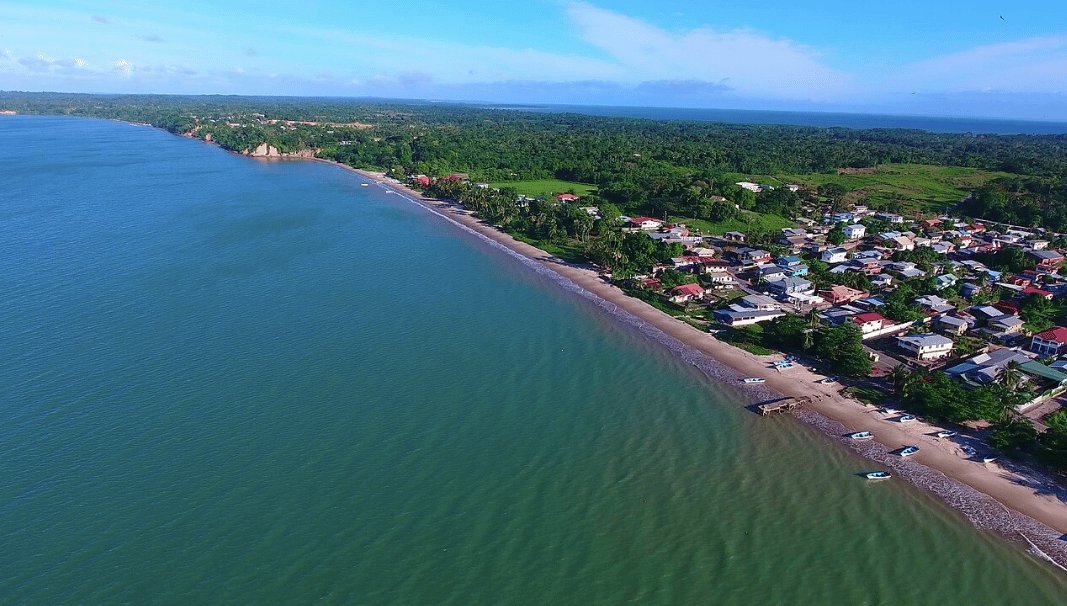
On May 1, Heritage Petroleum Company Limited detected an oil spill at its offshore Main Field operation in the Gulf of Paria at approximately 7:25 a.m. The company immediately notified Trinidad and Tobago's Ministry of Energy and Energy Industries, the Coast Guard, and the Environmental Management Authority. For many of us who live along the western coast, the Gulf of Paria has always been more than just water; it is the place where families have fished for generations and where the energy sector has shaped our daily lives since the days of Petrotrin.
Trinidad estimates approximately 10 barrels were spilled. The leak was stopped the same day, repaired and returned to service on May 2. Yet the quiet handling of this small incident has now grown into something much larger, pulling in our Venezuelan neighbours and raising questions about how we protect the shared waters that sustain coastal communities on both sides.
How Trinidad Acted to Contain the Spill
Trinidad's own spill trajectory modelling found that if left untreated, the hydrocarbons could have crossed into Venezuelan waters. Chemical dispersants were deployed approximately six to eight nautical miles from the shared Trinidad–Venezuela maritime border. These steps were taken swiftly once the spill was confirmed, showing that the response on the ground moved with the urgency our fishermen and coastal families would expect when the sea is threatened.
Still, neither Heritage Petroleum nor the T&T government publicly disclosed the incident until Venezuela raised the alarm internationally. Satellite imagery obtained by Caracas, including images dating back to April 28, days before Trinidad's official May 1 detection date, showed a slick originating from Trinidad. This timing difference has left many in our communities wondering how information flows between our energy companies and the people whose livelihoods depend on clean waters.
Venezuela Raises the Alarm and Seeks Answers
Venezuela's Foreign Minister Yván Gil went public on May 12, demanding information and compensation. Venezuela warns of impacts across 1,625 square kilometres spanning 12 strategic wetland systems, four national parks, and the livelihoods of more than 500 fishermen in the states of Sucre and Delta Amacuro. Acting President Delcy Rodríguez ordered a multidisciplinary team of environmental specialists, biologists and naval personnel to the affected areas.
Venezuela has formally demanded information and compensation from Trinidad and Tobago over the spill. For Trinidadians who remember the long history of the Gulf as a shared space for fishing and energy work, these concerns from across the border feel close to home. The same waters that feed families in Sucre and Delta Amacuro also support our own coastal villages, and any threat to them touches the cost of living and the sense of security we all share in the Caribbean.
Port of Spain's Position and the Pushback
Port of Spain strongly disputes the claims, describing the incident as a minor, quickly contained 10-barrel spill. Officials here point to the rapid repair and the limited volume as evidence that the matter was handled responsibly from the start. Yet the lack of early public notice has created a gap in trust, both at home and with our CARICOM neighbours who watch how we manage these shared resources.
The energy sector remains central to Trinidad and Tobago's economy, and incidents like this remind us of the delicate balance between production and protection. Heritage Petroleum, which took over operations after the restructuring of Petrotrin, carries the weight of keeping these fields safe while supporting jobs and national revenue that affect every household.
What This Means for Coastal Communities and Fishermen
The Gulf of Paria is not an abstract line on a map for the people who live and work along its shores. Fishermen from both Trinidad and Venezuela have long navigated these waters, and any spill, no matter how small, stirs worry about fish stocks and the long-term health of the marine environment. In Trinidad, families already feel the pinch of rising costs, and threats to fishing add another layer of pressure on household budgets and community life.
Many in our coastal villages remember past challenges with the energy industry and hope that lessons from those times will guide better communication now. The quick containment on May 1 and May 2 shows technical capability, but the broader conversation about transparency and neighbourly relations is what will shape how we move forward together.
Looking at Regional Ties and Future Steps
CARICOM relations have always been built on mutual respect and practical cooperation, especially when it comes to the sea that connects us. This dispute over the Gulf of Paria highlights how energy activities in one country can touch another, and how open dialogue can help prevent small incidents from growing into larger tensions. Trinidad and Tobago continues to stress the limited scale of the spill, while Venezuela seeks clarity on possible wider effects.
For Trinidadians at home, the story brings home the importance of strong oversight in the energy sector and the need to keep coastal communities informed. As we watch how both nations handle the exchange of information and any requests for compensation, the focus remains on protecting the Gulf that has fed and employed generations on both sides of the border.
By Sharon Sahatoo, Staff WriterThis article was produced with AI-assisted research and editorial support. Reporting is based on sources cited in the article.
What's Your Reaction?
 Like
0
Like
0
 Dislike
0
Dislike
0
 Love
0
Love
0
 Funny
0
Funny
0
 Wow
0
Wow
0
 Sad
0
Sad
0
 Angry
0
Angry
0

Caribbean Correspondent at Global1.News. Based in Port of Spain, Trinidad, covering Caribbean politics, economy, energy, climate, and culture. Amplifying the voices and stories of the Caribbean region.











Comments (0)