
NPPA Allows Price Hike for Key Cancer Drugs Amid Shortage
Patients Face Interrupted Chemotherapy Cycles Across India Thousands of Indian cancer patients have seen scheduled chemotherapy sessions postponed or cancelled in 2026 as stocks of cisplatin and carboplatin ran dry at major public hospitals. At AIIMS Delhi, oncologists reported turning away ovarian and lung cancer patients for weeks. Similar halts occurred at Tata Memorial Hosp
Patients Face Interrupted Chemotherapy Cycles Across India
Thousands of Indian cancer patients have seen scheduled chemotherapy sessions postponed or cancelled in 2026 as stocks of cisplatin and carboplatin ran dry at major public hospitals. At AIIMS Delhi, oncologists reported turning away ovarian and lung cancer patients for weeks. Similar halts occurred at Tata Memorial Hospital Mumbai and state cancer centres in Bihar and Rajasthan. With approximately 1.4 million new cancer cases recorded annually by ICMR data for 2024-25, these disruptions directly threaten survival outcomes for patients who rely on these platinum-based drugs.
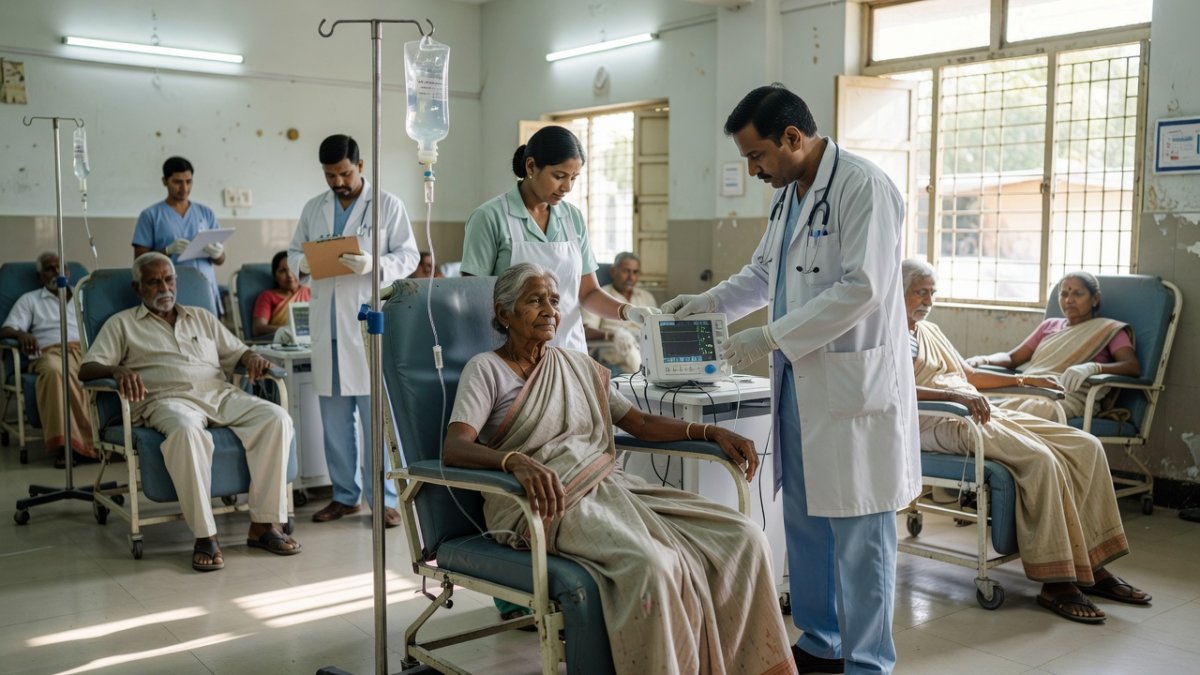
Seventy percent of Indian cancer patients lack any health insurance coverage. Families already stretched by out-of-pocket costs now face additional travel and waiting time when drugs are unavailable. The human cost falls heaviest on lower-income households dependent on government facilities.
NPPA Decision Under Para 19 of DPCO 2013
The National Pharmaceutical Pricing Authority announced in June 2026 that it would permit higher ceiling prices for cisplatin and carboplatin. The order explicitly invoked paragraph 19 of the Drugs Price Control Order 2013, which allows manufacturers to seek price revisions when persistent shortages threaten patient access. This mechanism overrides the standard formula used to fix ceiling prices for medicines listed on the National List of Essential Medicines.
The Department of Pharmaceuticals coordinated the review with the Ministry of Health and Family Welfare. The decision marks a rare departure from the price-control regime that has kept these essential oncology drugs among the most affordable in the world. Manufacturers must now demonstrate restored supply within stipulated timelines.
Clinical Role of Cisplatin and Carboplatin on NLEM
Cisplatin and carboplatin remain cornerstone platinum-based agents on India’s National List of Essential Medicines. They form first-line therapy for ovarian, lung, head-and-neck, testicular and bladder cancers. Their inclusion on NLEM obliges manufacturers to maintain notified prices, yet recurring production shortfalls have repeatedly tested this framework.
These drugs work by damaging cancer cell DNA, and their absence forces clinicians to substitute regimens that may be less effective or more toxic. ICMR treatment guidelines continue to list them as essential, underscoring the clinical necessity behind the NPPA intervention.
Disruptions Reported at AIIMS, Tata Memorial and Regional Centres
AIIMS Delhi documented multiple weeks of zero stock for both drugs in early 2026. Tata Memorial Hospital Mumbai issued internal alerts restricting new patient enrolment for platinum-based protocols. Regional cancer centres in Bihar and Rajasthan reported complete stock-outs lasting over a month, forcing referrals to overburdened tertiary facilities.
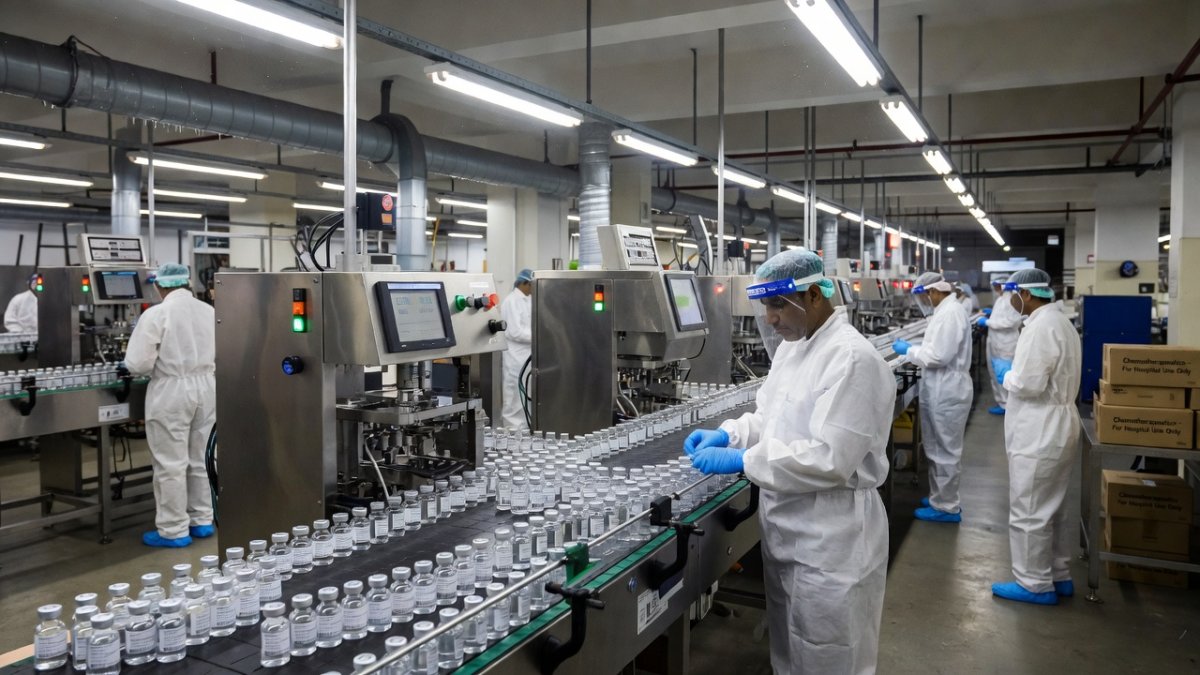
The Ministry of Health and Family Welfare has since initiated a nationwide audit of oncology supply chains. Data collected from these centres reveal that stock-outs were most acute in the public sector, where procurement relies on centralised tenders governed by DPCO ceiling prices.
India’s 1.4 Million Annual Cancer Cases and Access Gaps
ICMR data for 2024-25 confirm approximately 1.4 million new cancer diagnoses each year. Head-and-neck and lung cancers, both heavily dependent on cisplatin and carboplatin, account for a significant share. With 70 percent of patients uninsured, the majority seek care at government hospitals already operating under tight drug budgets.
Ayushman Bharat coverage has expanded hospital empanelment, yet oncology drug reimbursement remains patchy. State health budgets in Bihar and Rajasthan allocate limited funds for high-cost chemotherapy, amplifying the impact of national-level shortages.
India’s Global Generic Leadership Versus Domestic Shortages
India produces roughly 20 percent of the world’s generic medicines, yet domestic oncology supply chains remain vulnerable. Active pharmaceutical ingredient imports, concentrated in a few overseas sources, create single-point failures. The Ministry of Health and Family Welfare review now examines how DPCO price caps interact with these structural dependencies.
Department of Pharmaceuticals data show that several oncology molecules have faced repeated shortage notifications over the past five years. The current NPPA decision under para 19 represents an attempt to recalibrate incentives without dismantling the broader price-control architecture.
Affordability Implications and Global Price Context
Even after the permitted price increase, Indian ceiling prices for cisplatin and carboplatin remain substantially lower than those in the United States or European Union. However, the sudden revision still raises monthly treatment costs for uninsured patients by several thousand rupees. Taxpayers ultimately bear the burden through higher state procurement outlays under Ayushman Bharat and state cancer control programmes.
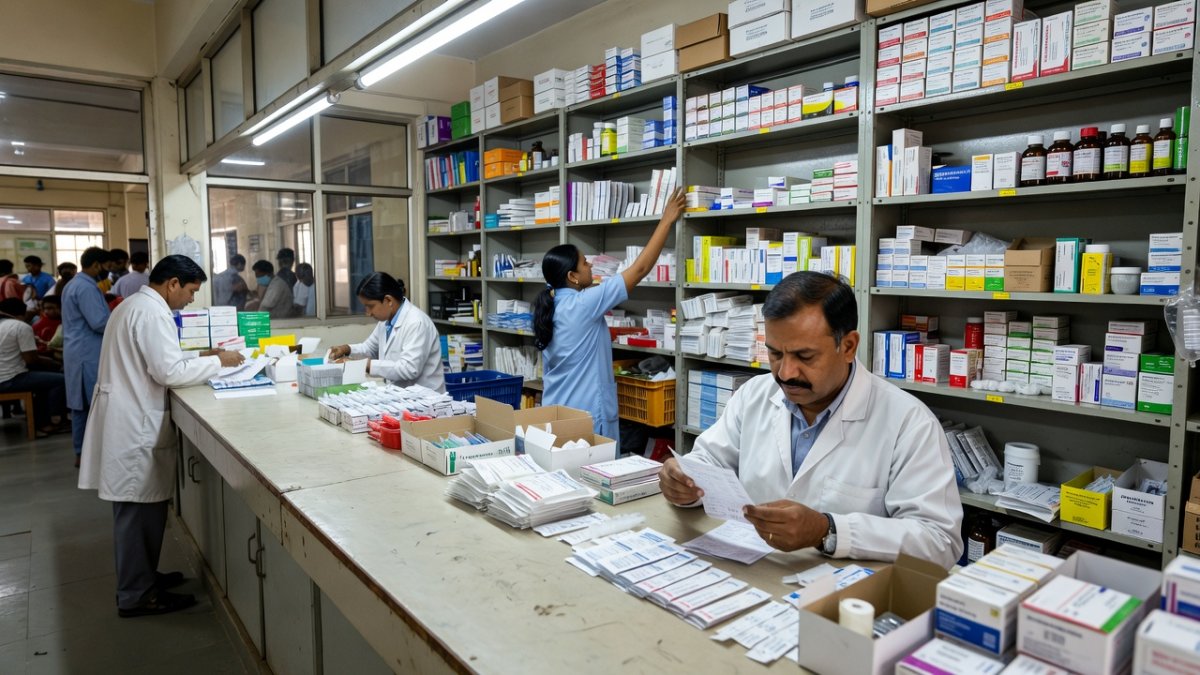
Policy analysts note that sustained shortages erode trust in the public health system and push middle-income families toward private providers where prices are unregulated.
Policy Implications for DPCO Reform and Domestic API Production
The June 2026 decision highlights the need to revisit DPCO 2013 provisions for essential medicines facing structural supply risks. Strengthening domestic active pharmaceutical ingredient capacity, as outlined in recent Ministry of Health and Family Welfare proposals, could reduce import dependence. Integration with Ayushman Bharat price negotiations may also offer a pathway to guarantee volumes while maintaining reasonable margins for manufacturers.
Long-term reform must balance patient affordability with reliable supply. Without such adjustments, para 19 invocations risk becoming routine rather than exceptional.
The Bottom Line: Securing Oncology Access for 1.4 Million Patients
The NPPA’s targeted price revision under DPCO para 19 addresses an immediate crisis but exposes deeper fragilities in India’s oncology supply chain. With 1.4 million new cases annually and 70 percent of patients uninsured, consistent availability of NLEM-listed drugs such as cisplatin and carboplatin is non-negotiable. Future policy must combine strategic API investments, refined tender mechanisms and stronger coordination between the Department of Pharmaceuticals and state health departments. Only then can India convert its global generic manufacturing strength into dependable domestic cancer care.
— By Dr. Raj Patel, Staff Writer
This article was produced with AI-assisted research and editorial support. Reporting is based on sources cited in the article.
What's Your Reaction?
 Like
0
Like
0
 Dislike
0
Dislike
0
 Love
0
Love
0
 Funny
0
Funny
0
 Wow
0
Wow
0
 Sad
0
Sad
0
 Angry
0
Angry
0

India/South Asia Correspondent at Global1.News. Analytical voice with a background in science and health journalism. Based in New Delhi, covering Indian politics, education, healthcare, technology, and policy. Breaks down complex data into clear, actionable reporting.














Comments (0)