
Congress Challenges Meenakshi Natarajan Rajya Sabha Nomination Rejection in Supreme Court
The rejection of senior Congress leader Meenakshi Natarajan’s Rajya Sabha nomination from Madhya Pradesh on June 9, 2026, has triggered an immediate Supreme Court challenge by the Congress party, highlighting a 100% disclosure compliance requirement under the Representation of the People Act, 1951. The returning officer’s decision, based on an alleged omission of a pending Tela
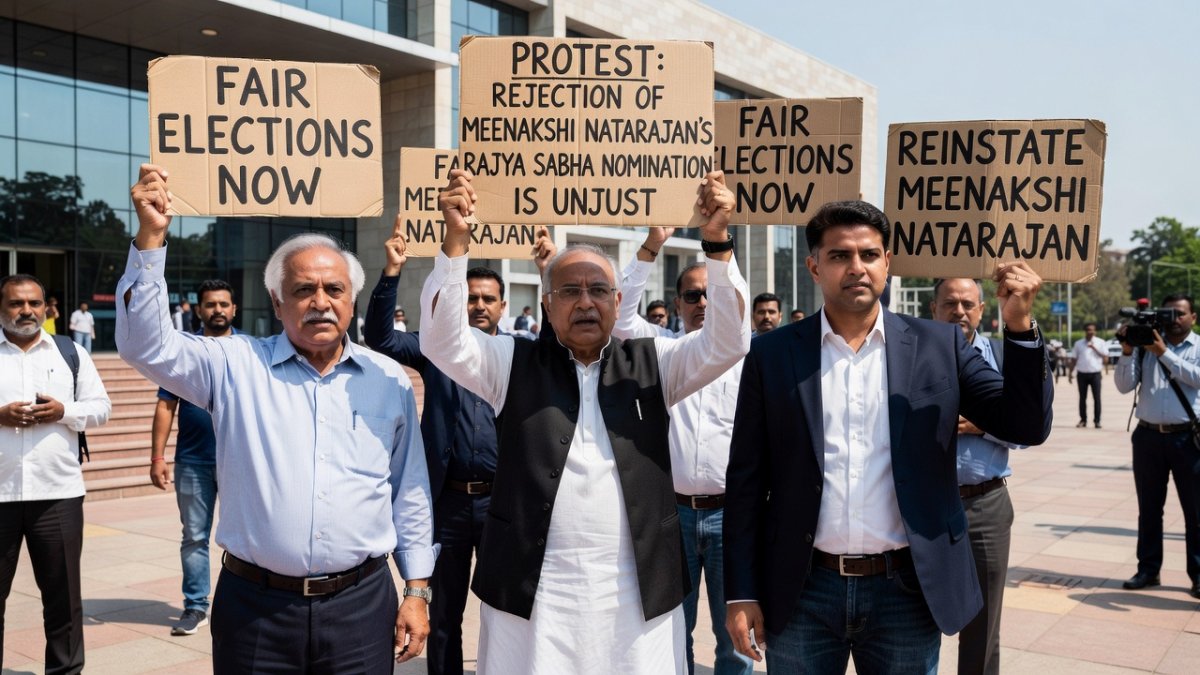
The rejection of senior Congress leader Meenakshi Natarajan’s Rajya Sabha nomination from Madhya Pradesh on June 9, 2026, has triggered an immediate Supreme Court challenge by the Congress party, highlighting a 100% disclosure compliance requirement under the Representation of the People Act, 1951. The returning officer’s decision, based on an alleged omission of a pending Telangana case, directly affects the balance of 245 Rajya Sabha seats and the opposition’s numerical strength in the Upper House.
Supreme Court Petition Tests Electoral Disclosure Rules as Congress Challenges Meenakshi Natarajan Rajya Sabha Rejection in Madhya Pradesh
New Delhi – June 11, 2026 — The Congress party filed a petition in the Supreme Court on June 10, 2026, contesting the returning officer’s rejection of Meenakshi Natarajan’s nomination papers for the Rajya Sabha seat from Madhya Pradesh. The decision followed an objection by BJP candidate Mahesh Kewat, who cited failure to disclose a pending case in Telangana. Senior Congress figures Jairam Ramesh, KC Venugopal, Bhupesh Baghel and Sachin Pilot personally met Election Commission officials in New Delhi to register their protest.
Nomination Rejection and Specific Allegations
The returning officer in Bhopal rejected the nomination on June 9 after BJP counsel Sanket Gupta argued that Natarajan had not listed a criminal case pending before a Telangana court. Natarajan, born May 24, 1973, in Madhya Pradesh and former Lok Sabha MP from Mandsaur (2009-2014), dismissed the objection as a “political conspiracy.” The Election Commission of India has not yet issued a formal clarification on the exact section of the affidavit that triggered the rejection.
Background of Meenakshi Natarajan’s Political Career
Natarajan rose through NSUI ranks, serving as national president from 1999 to 2002 before her appointment as AICC secretary in 2008 by Rahul Gandhi. In February 2025 she was named Congress in-charge for Telangana. Her nomination for the Rajya Sabha was intended to strengthen Congress representation from Madhya Pradesh, where the party holds 29 of 230 assembly seats.
What This Means for Indian Democracy
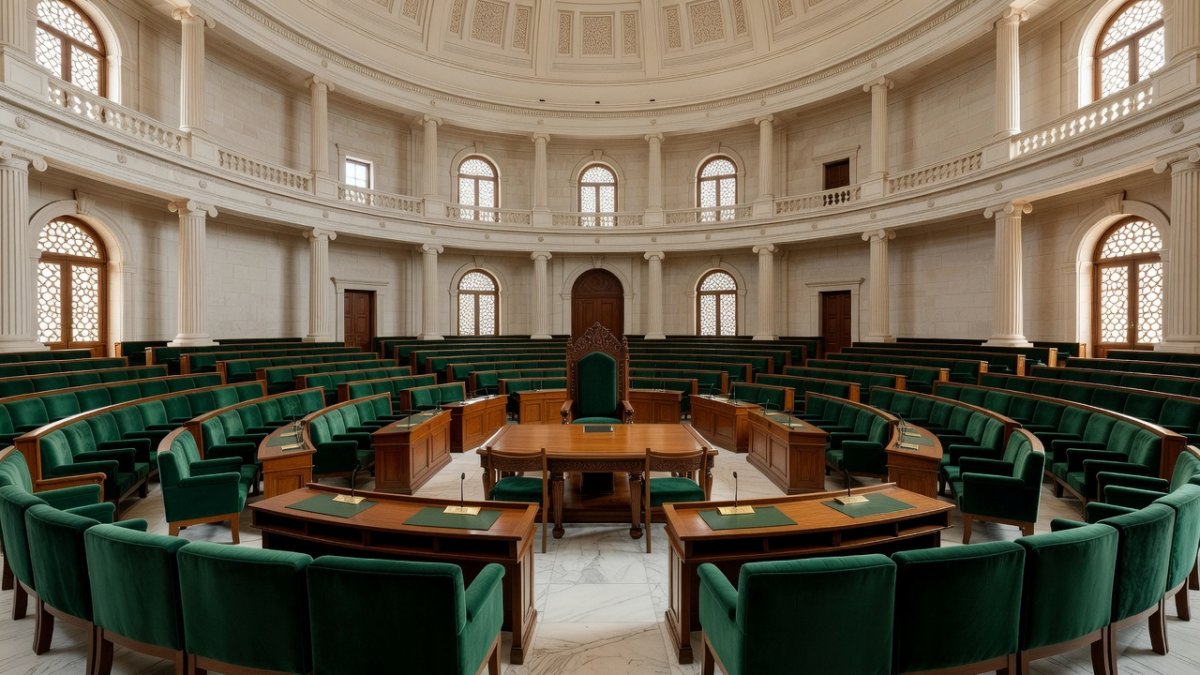
The episode raises questions about the impartial functioning of the Election Commission of India and the returning officer’s discretionary powers under Section 36 of the Representation of the People Act. A successful Supreme Court intervention could alter the arithmetic in the Rajya Sabha, where the BJP-led NDA currently commands a clear majority. Opposition leaders including MP Congress president Jitu Patwari have labelled the rejection the “biggest murder of democracy,” while LoP Umang Singhar accused the Commission of acting in favour of the BJP.
The Legal Framework
Article 84 of the Constitution and the Representation of the People Act, 1951, mandate full disclosure of pending criminal cases in Form 26. The Supreme Court has previously ruled in cases such as Public Interest Foundation v. Union of India (2018) that non-disclosure can invite rejection. The Congress petition is expected to test whether the omission was material and whether the returning officer applied the law uniformly across all candidates in the current biennial elections.
The Bottom Line
With the Supreme Court hearing listed for the coming week, the outcome will determine not only Natarajan’s eligibility but also set precedent for affidavit scrutiny in future Rajya Sabha and Lok Sabha nominations across states including Madhya Pradesh, Telangana and Rajasthan. The case underscores the continuing tension between procedural compliance and political contestation within India’s constitutional electoral framework.
— By Dr. Raj Patel, Staff Writer
This article was produced with AI-assisted research and editorial support. Reporting is based on sources cited in the article.
What's Your Reaction?
 Like
0
Like
0
 Dislike
0
Dislike
0
 Love
0
Love
0
 Funny
0
Funny
0
 Wow
0
Wow
0
 Sad
0
Sad
0
 Angry
0
Angry
0

India/South Asia Correspondent at Global1.News. Analytical voice with a background in science and health journalism. Based in New Delhi, covering Indian politics, education, healthcare, technology, and policy. Breaks down complex data into clear, actionable reporting.














Comments (0)