
Ankara NATO summit: Carney balances defence and diplomacy
The NATO Summit in Ankara Sets a Pragmatic Tone Prime Minister Mark Carney is jetting off Monday to the two-day NATO summit in Turkey's capital city Ankara, where world leaders will seek to avoid diplomatic friction with U.S. President Donald Trump. The gathering, scheduled for July 7-8, has been deliberately slimmed down to minimise opportunities for open conflict over America
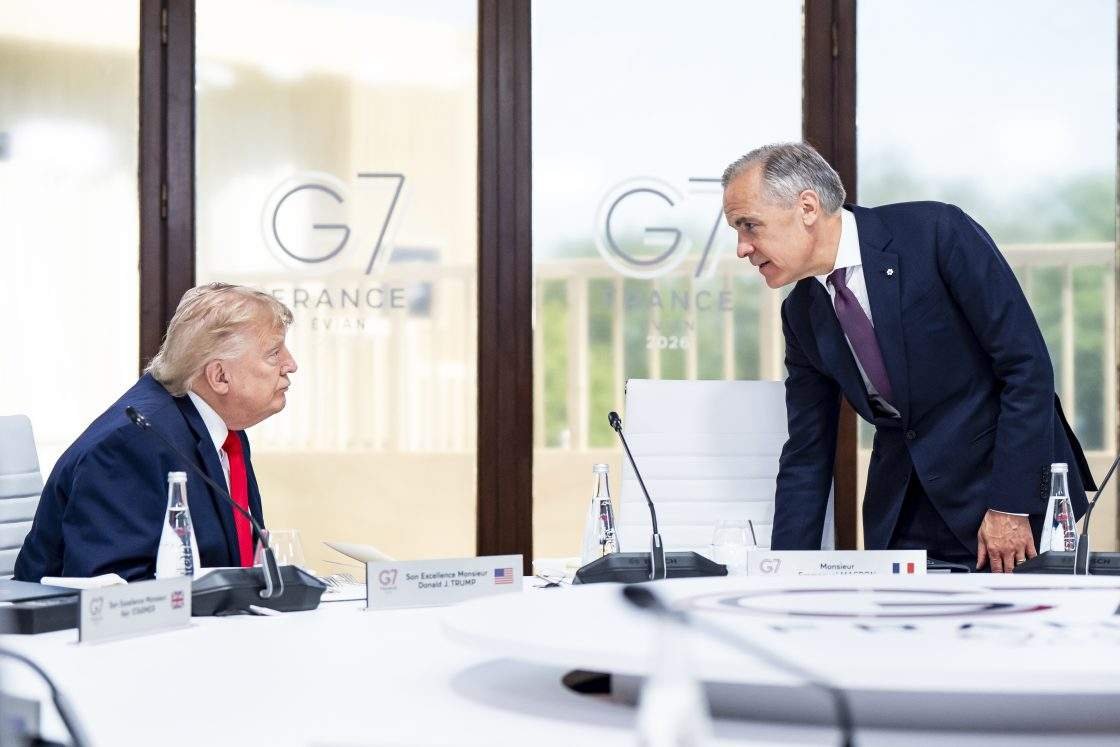
The NATO Summit in Ankara Sets a Pragmatic Tone
Prime Minister Mark Carney is jetting off Monday to the two-day NATO summit in Turkey's capital city Ankara, where world leaders will seek to avoid diplomatic friction with U.S. President Donald Trump. The gathering, scheduled for July 7-8, has been deliberately slimmed down to minimise opportunities for open conflict over American foreign and defence policy. This measured approach reflects the high stakes involved, as alliance members balance collective security needs against the risk of drama that could fracture unity at a critical moment.
Gaëlle Rivard Piché, the head of the Canadian defence think-tank CDA Institute, noted that the summit will focus on demonstrating tangible progress rather than mere announcements. She emphasised the importance of converting financial commitments into actual military capabilities. This shift comes amid ongoing debates about the scale of threats facing the alliance, particularly from Russia, and the unpredictable direction of U.S. policy under the current administration.
Historical context from previous summits shows how NATO has adapted to external pressures while maintaining cohesion. The current environment, marked by heightened global instability, demands careful diplomacy. Canadian officials view the Ankara meeting as an opportunity to highlight steady contributions without drawing undue attention, aligning with a preference for collaborative rather than standout roles in tense times.
Shifting Benchmarks for Defence Expenditures
In 2014, the same year that Russia invaded and annexed Crimea, alliance members agreed to meet a target of spending two per cent of national GDP on defence. NATO has confirmed that Canada, which had long struggled to reach this level, is finally meeting the target through tens of billions of dollars in new military spending. Yet two per cent is now viewed as the floor rather than the ceiling, following a bold pledge at The Hague last year for members to reach five per cent of GDP by 2035.
NATO Secretary-General Mark Rutte has stressed that while allies can mark the achievement of the two per cent goal, they must now deliver credible plans for the higher benchmark. At a recent Atlantic Council event, Rutte described the five per cent figure as deeply rooted in capability assessments, contrasting it with the earlier target that he said was somewhat arbitrary. This evolution underscores the alliance's response to an increasingly demanding threat landscape.
The implications for budgeting and planning are significant across member states. Canada projects its defence spending will hit 2.13 per cent of GDP for the 2026-2027 fiscal year, with further growth anticipated toward the 2035 goal. Government briefings indicate these figures are part of broader efforts to strengthen the alliance's overall posture without immediate public disclosure of detailed implementation roadmaps.
Canada's Fiscal Projections and Strategic Positioning
The Carney government is expected to talk up its efforts to boost defence spending and investment in the defence sector during the Ankara meetings. Officials have outlined projections showing Canada on track for 2.13 per cent of GDP in the coming fiscal year and five per cent by 2035. These targets build on recent investments, though the government has not yet formally integrated the longer-term goal into its fiscal framework or released comprehensive plans for achieving it.
Kerry Buck, a senior fellow at the University of Ottawa and Canada's former ambassador to NATO, observed that Canada enters the summit in fairly good order on the accounting front. This represents a departure from past patterns where spending shortfalls drew criticism. Buck noted that the pragmatic focus on lowest-common-denominator agreements helps preserve alliance stability, even as the threat environment grows more severe than at any previous point.
From a Canadian perspective, these developments tie directly into federal priorities around economic resilience and international engagement. The emphasis on verifiable progress aligns with longstanding commitments to multilateral institutions. Analysts suggest that consistent delivery on spending promises could enhance Canada's influence within NATO circles, particularly as middle powers navigate pressures from larger actors.
Diplomatic Challenges Posed by U.S. Policy Shifts
Since the previous summit, President Trump has intensified actions that have tested alliance cohesion. These include threats to withdraw from NATO, comments about annexing Greenland, a surprise military operation against Iran followed by criticism of allies for limited involvement, and a drawdown of American troops and capabilities in Europe. Such moves have widened diplomatic divides and complicated efforts to present a united front.
Former U.S. diplomat Brett Bruen highlighted that the alliance is making significant progress on military spending, driven in part by concerns over global stability. However, he anticipated an awkward atmosphere at the summit, with potential for complaints, threats, or insults from the American side regardless of allied actions. The decision to streamline the agenda aims to contain these tensions and prevent public fractures.
Canadian foreign policy traditions value steady engagement with allies while upholding independent assessments of security needs. The current dynamics illustrate the complexities of federal-provincial coordination on defence matters, as well as broader questions about how Ottawa balances relations with Washington. This environment calls for careful calibration to protect Canadian interests without escalating frictions.
Insights from Defence Experts on Alliance Dynamics
Gaëlle Rivard Piché stressed the value of collective approaches in the present climate, noting that there is safety in numbers rather than seeking individual prominence. Her comments reflect a broader Canadian inclination toward multilateral solutions that distribute responsibilities evenly. This perspective gains relevance as members prepare to showcase how new investments translate into enhanced capabilities.
Kerry Buck described the current pragmatic strategy as necessary given the costs of open disagreement, while acknowledging the pity that deeper issues remain unaddressed. The focus on credible planning for future targets offers a pathway forward, yet it also highlights the gap between announced ambitions and operational realities. Buck's analysis points to the enduring importance of NATO as a stabilising force amid evolving global risks.
Brett Bruen added that leaders like Prime Minister Carney possess the potential to emerge as centres of influence within the alliance. Carney's earlier remarks in Davos on middle powers collaborating against great-power pressures received positive international feedback, though they drew rebukes from the Trump administration. These exchanges illustrate the delicate balancing act required in contemporary diplomacy.
Defence Industry Announcements and Future Financing
NATO allies are expected to unveil a series of defence industrial announcements in the coming days, involving contracts worth tens of billions of dollars. Prime Minister Carney is scheduled to address a defence industry forum side event on Tuesday, focusing on financing mechanisms for new capabilities. These developments signal growing momentum in procurement and partnership activities across the alliance.
Gaëlle Rivard Piché indicated particular interest in any details Canada might release regarding the planned Defence, Security and Resilience Bank or fresh contracts for domestic firms under the SAFE program. Carney has advocated publicly for the defence bank as a tool to support long-term investments. Such initiatives could strengthen Canada's industrial base while contributing to collective alliance goals.
The economic dimensions of these moves connect to Canadian priorities around job creation and technological advancement in the defence sector. As spending targets rise, opportunities for domestic industry expansion become more pronounced. Officials will likely use the Ankara platform to outline how these financial tools fit within broader fiscal planning, maintaining transparency where possible.
Broader Implications for Canadian Foreign Policy
The Ankara summit arrives at a time when Canada must navigate intensified global uncertainties while upholding its commitments to collective defence. The progression from two per cent to five per cent targets reflects a fundamental recalibration driven by security assessments. Canadian participation emphasises accountability and steady advancement rather than dramatic gestures.
Expert commentary from figures like Rivard Piché, Buck, and Bruen underscores both the progress achieved and the persistent challenges ahead. The alliance's ability to paper over divisions allows focus on capability development, yet this approach carries trade-offs in addressing root causes of tension. For Canada, the emphasis remains on constructive contributions that reinforce multilateral norms.
Ultimately, outcomes from the July 7-8 meetings will influence how Ottawa positions itself in future alliance discussions. With projections already pointing toward sustained spending growth, the focus shifts to execution and partnership. This measured trajectory aligns with Canadian values of prudence and international cooperation in an era of heightened complexity.
Tags: NATO summit, Mark Carney, defence spending, Canada NATO, Mark Rutte, Gaëlle Rivard Piché, Kerry Buck, Brett Bruen, Ankara, military budgets
By Alex Thompson, Staff Writer
This article was produced with AI-assisted research and editorial support. Reporting is based on sources cited in the article.
What's Your Reaction?
 Like
0
Like
0
 Dislike
0
Dislike
0
 Love
0
Love
0
 Funny
0
Funny
0
 Wow
0
Wow
0
 Sad
0
Sad
0
 Angry
0
Angry
0
Canada Correspondent at Global1.News. Based in Toronto, covering Canadian politics, energy, trade, and US-Canada relations. Provides the Canadian perspective on North American and global affairs.











Comments (0)